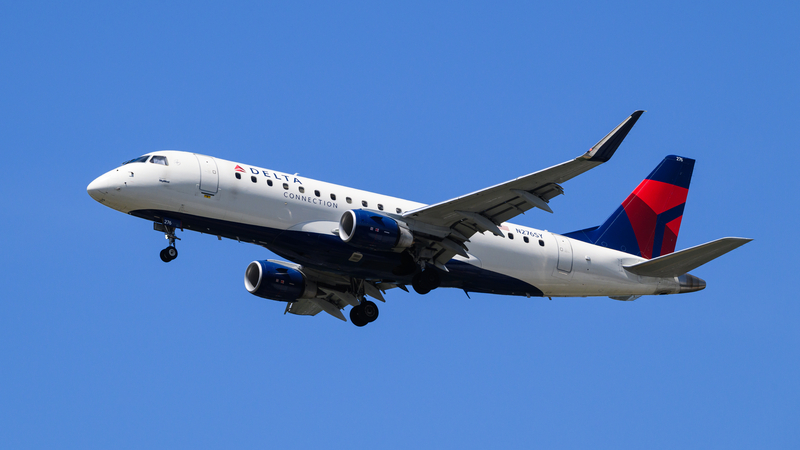
SkyWest, Inc. has secured multiyear contract extensions with United Airlines and Delta Air Lines covering its Embraer E175 operation—an unglamorous headline that matters a lot in the regional business.

The key operational takeaway is simple: SkyWest has pushed out its next major E175 contract expirations to late 2028, giving the company clearer block-hour visibility and reducing the “step-change” risk that comes when a big CPA package rolls off in one season. For network planners and fleet teams, that kind of runway is gold—because it lets you schedule aircraft, crews, and heavy maintenance with fewer surprises.
What the extensions cover
The renewed flying is centered on SkyWest’s E175 fleet, with the extensions reached in January 2026:
Read our stories in your inbox
Two aviation newsletters. Zero fluff.
-
United: 40 E175s under extension
-
Delta: 13 E175s under extension

For SkyWest, this is less about announcing “new routes” and more about protecting the economics that make regional lift work in the first place. In a CPA structure, the major airline typically controls scheduling and revenue while the regional is paid for capacity and performance. That model isn’t immune to renegotiation pressure, but it is far less exposed to the week-to-week fare volatility that would crush a standalone regional trying to sell its own tickets in competitive hub markets.
Why the E175 remains the regional sweet spot
The E175 has become the backbone of two-class regional flying in the U.S. because it sits right in the overlap of customer preference, hub economics, and pilot contract scope limits.
From a passenger and product standpoint, it’s hard to beat for sub-1,500 mile missions: a 2–2 cabin with no middle seats, modern bins on many aircraft, and a layout that supports a “mainline-lite” experience when the cabins are configured with proper first class and premium economy sections. From an operator standpoint, it’s a mature platform with well-understood maintenance patterns and strong dispatch reliability when the program is resourced correctly.
On paper, the E175’s performance envelope also gives planners flexibility. The type cruises in the high-subsonic regime (typical airline operations around Mach 0.78–0.80) and is built for short-to-mid-range flying, with variants and mission profiles that can push into the ~2,000 nautical mile class depending on configuration and reserves. In practice, airlines use that margin to protect on-time performance, handle winter alternates, and keep stage lengths efficient without drifting into “too much airplane” territory.
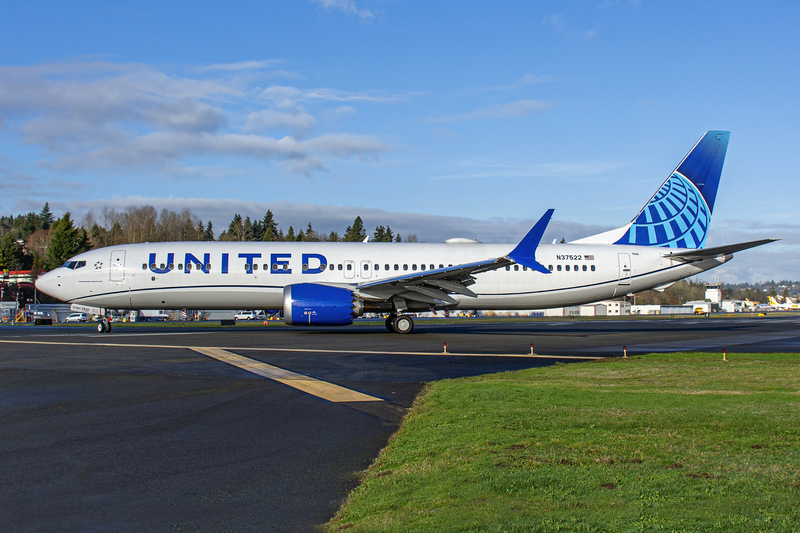
And for a regional specialist, fleet concentration matters: SkyWest’s scale makes it one of the world’s largest E175 operators, which brings cost advantages in training throughput, spares pooling, and maintenance program depth—especially when those aircraft are feeding high-frequency banks at major hubs.
Where this shows up in the network: hub feeding that actually scales
SkyWest’s E175s are the connective tissue that turns hub schedules into real networks—pushing reliable two-class capacity into markets that can’t support (or don’t warrant) mainline narrowbodies at every departure.
That’s especially visible at large connecting complexes such as:
-
Chicago O’Hare International Airport (ORD)
-
Denver International Airport (DEN)
-
Detroit Metropolitan Wayne County Airport (DTW)
-
George Bush Intercontinental Airport (IAH)
-
Los Angeles International Airport (LAX)
-
Phoenix Sky Harbor International Airport (PHX)
In those environments, the E175 often does the jobs airlines care about most: protecting schedule integrity, maintaining business-friendly frequency, and keeping two-class product in smaller markets where brand consistency still matters.
The strategy signal: fleet renewal without operational whiplash
There’s also a quieter but important message embedded in these extensions: SkyWest’s partners are still willing to underwrite E175 flying at scale rather than forcing aggressive upgauging or pushing everything into 50-seat economics.
That matters because many regionals are living in a transition era—aging 50-seaters exiting, pilot supply constraints, and majors reshaping fleets to balance CASM against frequency. Keeping E175 contracts firm through late 2028 suggests the major carriers still see long-term value in scope-compliant, premium-friendly regional lift, particularly where network utility outweighs the cost penalty versus a larger narrowbody.
It also gives SkyWest a cleaner platform to modernize its fleet mix over time: retire older, less efficient regional jets, refresh with newer E175 deliveries, and keep partner networks stable while that change happens—without having to solve a contract cliff at the same time.
Bottom Line
For SkyWest, extending E175 contracts with United and Delta through late 2028 is a classic “regional” win: not flashy, but strategically powerful. It reduces near-term contract risk, improves fleet planning visibility, and reinforces the E175’s role as the workhorse of two-class hub feeding—especially at major connecting airports like ORD, DEN, DTW, IAH, LAX, and PHX.
Keep reading FlyMag
Get the Daily Brief in the morning or the Route Watch weekly recap on Fridays. Or both.