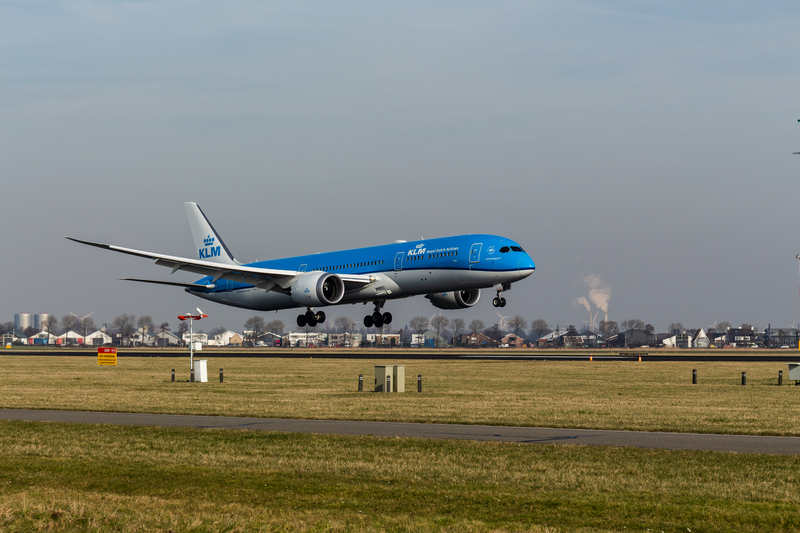
When KLM’s newest Boeing 787 rolled onto the ramp at Amsterdam Airport Schiphol (AMS), it wasn’t just another delivery flight. The arrival of the aircraft christened “Krokus” effectively closes the book on a widebody modernization chapter that has reshaped KLM’s long-haul operation over the past decade.

With this handover, KLM’s Dreamliner fleet is now finalized at 28 aircraft, split between 13 Boeing 787-9s and 15 Boeing 787-10s. In practical network terms, that mix gives KLM a two-size long-haul toolset that can be dialed up or down depending on demand, cargo flows, and slot constraints—especially out of AMS, where capacity and runway availability are always part of the planning conversation.
The Delivery Flight, and Why It Matters Operationally
“Krokus” arrived into AMS following a transatlantic ferry from Charleston International Airport (CHS), where Boeing’s 787 program has consolidated final assembly in recent years. For airline planners and fleet managers, delivery routing isn’t just trivia—it’s a hint at how the manufacturer is sequencing test flights, acceptance checks, and handover timelines, and it often reflects where OEM support and pre-delivery work is being completed.
Read our stories in your inbox
Two aviation newsletters. Zero fluff.
This final delivery is also a symbolic bookend. KLM’s first 787 entered the fleet in 2015 after delivery from Boeing’s Everett area site near Paine Field (PAE) to AMS. From that point forward, the 787 family steadily expanded into a backbone role—replacing older widebodies in key missions, adding range flexibility, and bringing KLM’s long-haul product into a more consistent era.
Why KLM Wanted Both the 787-9 and 787-10
For network strategy, the difference between the 787-9 and 787-10 isn’t just “one is longer.” It’s about right-sizing routes without compromising range planning:
-
Boeing 787-9: This variant is the “thin long-haul” workhorse—ideal for markets that need widebody economics and cargo capability but don’t justify a higher-capacity aircraft every day. Its sweet spot is long stage lengths with balanced premium demand.
-
Boeing 787-10: The -10 is KLM’s high-capacity Dreamliner—built for trunk routes where the airline needs more seats, better unit costs, and strong cargo uplift, but still wants the operating efficiencies of a composite twin.
At constrained hubs like AMS, gauge can be as powerful as frequency. If you can’t add more slots, adding the right aircraft size is often the only lever left.
The Aircraft Itself: Why the 787 Still Wins With Airlines
Even among airline professionals, it’s easy to reduce the Dreamliner to passenger-facing talking points like big windows. The real reason the 787 has been such a durable fleet decision is that it combines:
-
Composite structure that reduces corrosion and fatigue exposure compared with older aluminum designs (with knock-on effects in heavy-check planning over the life cycle).
-
Modern ETOPS capability that enables efficient oceanic and polar routing flexibility—especially useful on long sectors where re-routes can otherwise drive major fuel and time penalties.
-
Lower fuel burn per seat versus older-generation widebodies, which is the difference between a route being “strategic” and being commercially sustainable year-round.
-
High cargo relevance in belly capacity markets—particularly for European network carriers that depend on a mix of passenger and freight economics on long-haul flying.
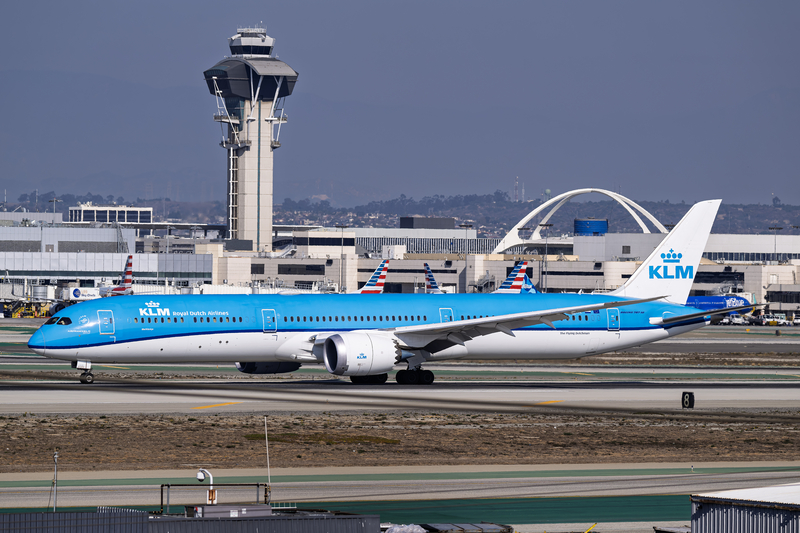
KLM’s 787 fleet is powered by GE Aerospace GEnx engines, a pairing that has become a common global 787 configuration and one many operators favor for fuel performance and maintenance ecosystem depth.
Premium Comfort Class: A Product Move With Real Revenue Implications
KLM’s decision to equip its Dreamliner fleet with Premium Comfort Class is more than an onboard “nice-to-have.” On transatlantic and medium-long-haul markets, the cabin exists to capture a growing segment that won’t pay full business fares but will reliably buy up from economy—especially on overnight sectors, leisure-plus itineraries, and corporate travel policies that allow “premium economy” for longer stage lengths.
Just as importantly, it helps KLM optimize inventory management: Premium Comfort can protect yield in economy during peak loads while supporting upsell conversion in softer seasons. That matters when aircraft utilization is high and schedule resilience depends on selling the right mix, not just filling seats.
Bottom Line
KLM completing its 28-aircraft Dreamliner fleet with the arrival of “Krokus” at AMS is a clear signal that the carrier has finished one of the most important parts of long-haul fleet renewal: locking in a modern, efficient, two-size widebody platform that can flex across the network. For KLM, the 787-9/-10 mix isn’t just about new airplanes—it’s a capacity strategy, a product strategy, and an operational reliability strategy designed to work within the real-world constraints of Amsterdam Schiphol.