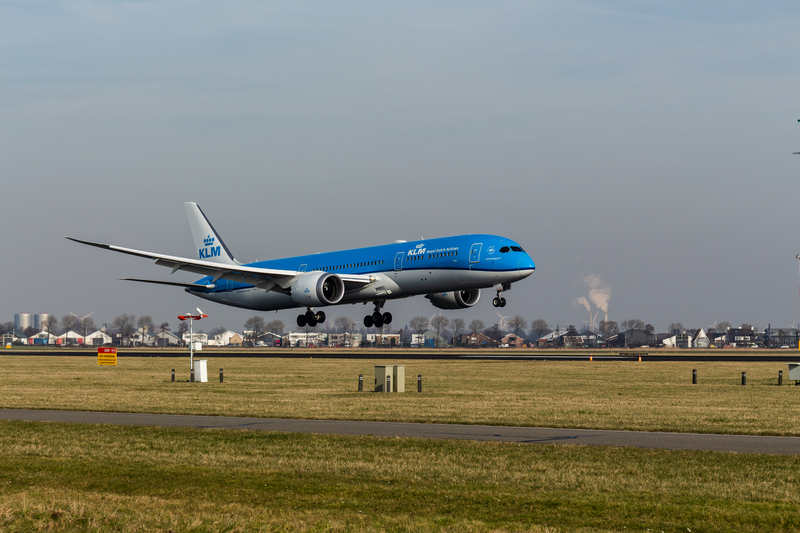
A KLM flight attendant has been hospitalized in the Netherlands after developing mild symptoms following close contact with a passenger later linked to the hantavirus outbreak connected to the expedition ship MV Hondius.

The case is serious enough to have triggered hospital isolation and medical monitoring, but it needs to be described carefully. This is not evidence of a broad in-flight transmission event. The passenger involved never actually flew on the KLM service. Instead, she briefly boarded the aircraft in Johannesburg before being judged too unwell to travel and removed prior to departure.
That distinction matters. It changes the story from one about cabin spread during a long-haul flight to one about close-contact exposure during the pre-departure phase of airline operations.
Read our stories in your inbox
Two aviation newsletters. Zero fluff.
The Passenger Was Removed Before The Flight Left
One of the most important facts is that the infected passenger did not complete the journey.
KLM has said the woman was only briefly onboard the aircraft in Johannesburg before the crew determined that her condition was too serious for travel. She was then removed from the flight and taken for medical care.
That means the exposure window was much shorter than it would have been on a normal intercontinental flight. It also suggests the airline’s crew recognized quickly that this was not a routine illness issue, but a passenger whose condition was severe enough to justify denying carriage entirely.
In hindsight, that decision looks especially important.
The Flight Attendant’s Hospitalization Is Precautionary, But Significant
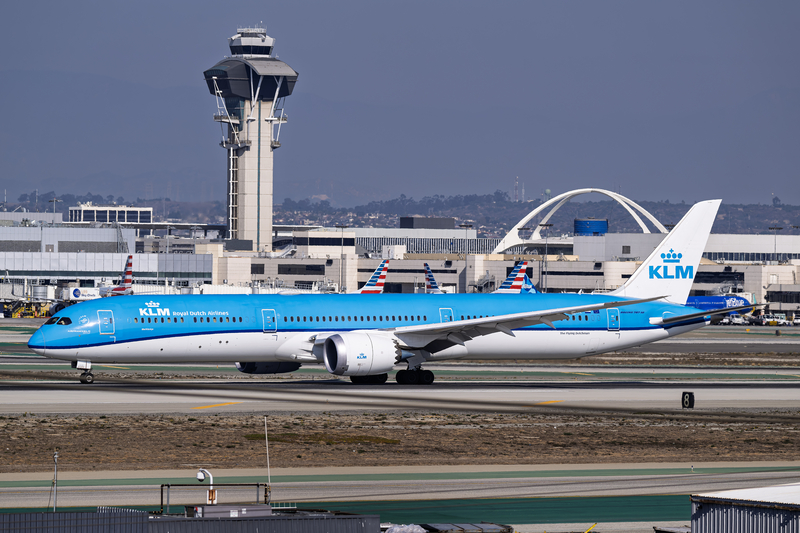
The KLM crew member was later taken from home by medical services after experiencing mild symptoms and was admitted in isolation for further assessment.
At this stage, that does not automatically confirm that she has hantavirus. What it does show is that health authorities are taking the exposure seriously enough to treat it as a potential infection case requiring controlled monitoring.

That is exactly what would be expected in a situation where a crew member had close contact with a passenger later associated with a deadly outbreak cluster.
The Wider Outbreak Is The Bigger Context
The airline case cannot be separated from the broader MV Hondius outbreak.
The cruise ship has already been linked to multiple deaths, including the Dutch passenger who briefly boarded the KLM aircraft, her husband, and a German national. Other passengers and crew linked to the voyage have also become part of an international tracing and medical-response effort.
That wider context is why even one symptomatic airline crew member is enough to draw attention. On its own, it might have remained a contained occupational-health story. Inside a live international outbreak response, it becomes part of a much larger chain of concern.
Human-To-Human Spread Is Rare, But Authorities Are Not Ignoring It
One reason this case has attracted so much scrutiny is that hantavirus is usually associated with rodent exposure rather than routine person-to-person transmission.
However, the strain linked to the outbreak has been treated with unusual caution because rare human-to-human transmission has been documented in specific circumstances. That does not mean public risk is broad or uncontrolled. It does mean authorities are being careful, especially when there has already been a cluster of severe outcomes.
For aviation and public-health officials, the prudent approach is obvious: isolate, test, and trace rather than assume the risk is negligible.
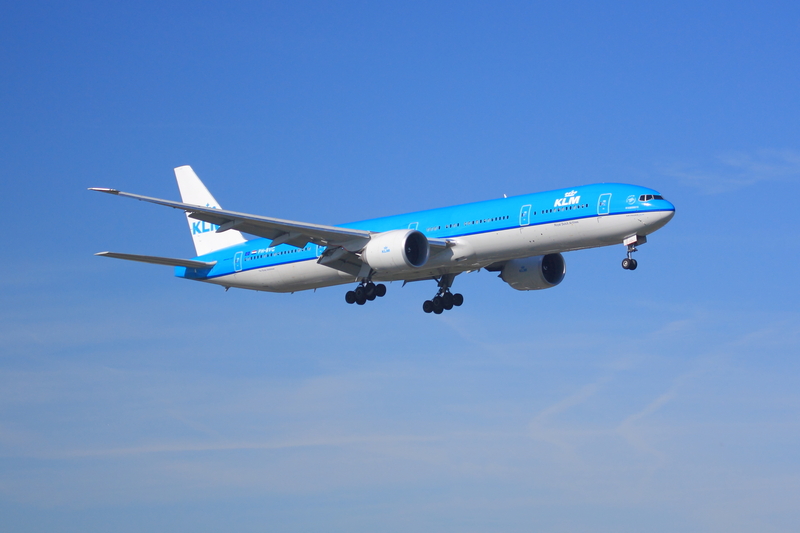
KLM’s Decision-Making In Johannesburg Now Looks Especially Important
From an airline-operations perspective, the crew’s judgment in Johannesburg stands out.
Denying boarding to an already-boarded passenger is not a trivial decision, particularly on a long-haul international departure. It disrupts the operation, affects scheduling, and places the crew in a difficult customer-facing situation. Airlines do not take that step casually.
The fact that KLM did so suggests the woman’s condition was visibly serious enough that the crew believed continuing the journey would be unsafe. That call likely prevented a much more complicated in-flight medical scenario and may also have reduced exposure to others onboard.
The Airport Phase May Be The More Interesting Exposure Question
This case also highlights something that often gets less attention than cabin-air discussions: the airport and gate phase of a flight.
Before departure, aircraft doors may be open, crews may be moving in confined spaces around boarding passengers, and the operational environment is different from what exists once the aircraft is airborne with full systems running. That is one reason some experts have again raised questions about how airlines manage ventilation and close-contact exposure during boarding and turnaround periods.
This incident does not prove that gate-time conditions were the cause of the crew member’s symptoms. But it does reinforce the idea that not all aviation-health exposure risks happen in cruise.
Bottom Line
A KLM flight attendant has been hospitalized and isolated after developing mild symptoms following close contact with a Dutch passenger who later died after being removed from a KLM flight in Johannesburg. The case is serious, but it should be framed accurately: there is no public confirmation yet that the crew member has hantavirus, and the infected passenger did not travel on the aircraft.
The larger significance lies in what the case reveals about aviation and public health. Airline crews can become part of an outbreak-response chain even when a sick passenger is denied travel, and the period before departure can still carry meaningful exposure risk. In that sense, this is less a story about an in-flight transmission event than about how quickly aviation can intersect with a fast-moving international medical crisis.
Keep reading FlyMag
Get the Daily Brief in the morning or the Route Watch weekly recap on Fridays. Or both.