The House has passed legislation funding most of the Department of Homeland Security, bringing an end to a prolonged partial shutdown that had already disrupted airport operations and raised serious concern about Transportation Security Administration staffing.
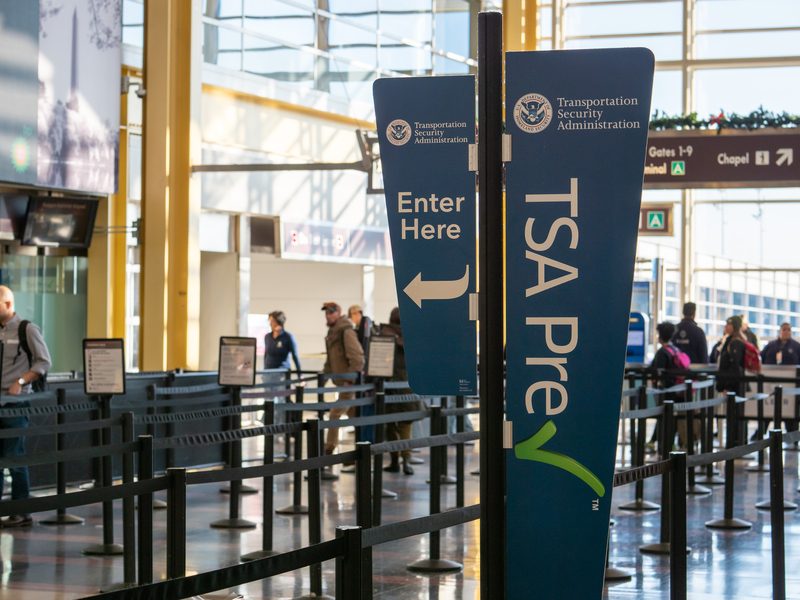
For travelers, the practical significance is immediate. TSA, which sits inside DHS, will now receive full funding under the bill, removing the most immediate threat to staffing stability at major U.S. airports. After weeks of unpaid work, resignations, and mounting pressure on checkpoint operations, that matters far more than the politics of the vote itself.
For aviation readers, the larger point is just as important: airport security stress had become one of the clearest public consequences of the shutdown, and Congress ultimately moved only after that pressure became impossible to ignore.
Read our stories in your inbox
Two aviation newsletters. Zero fluff.
The Bill Ends A Long And Damaging Partial Shutdown
The House vote sends funding for most of DHS through the rest of the fiscal year, ending what had become the longest agency-specific shutdown in U.S. history.
The measure funds TSA along with other major DHS components, but leaves immigration enforcement funding, specifically ICE and Border Patrol, to be handled separately. That split is what allowed the compromise to move. It gave lawmakers a way to reopen the operational side of DHS without settling the broader political fight over immigration enforcement at the same time.
From an aviation standpoint, that distinction matters because the parts of DHS most immediately tied to airport operations were caught in the middle of a much wider policy standoff.
TSA Staffing Had Become The Most Visible Airport Problem
The clearest aviation impact of the shutdown was at TSA.
As the funding gap dragged on, hundreds of TSA workers left the agency after being required to continue reporting to work without reliable pay. That created staffing shortages severe enough to affect checkpoint performance at some of the country’s busiest airports.
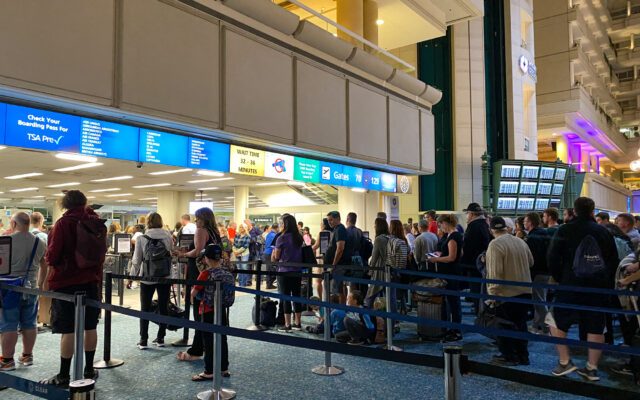
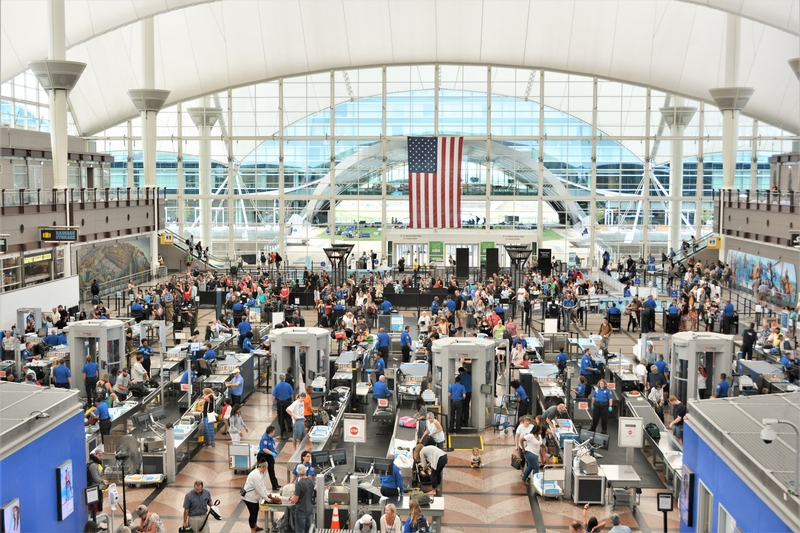
Security lines reportedly stretched to three hours or more at times, with some of the worst disruption seen at Hartsfield-Jackson Atlanta International Airport (ATL), George Bush Intercontinental Airport (IAH), William P. Hobby Airport (HOU), Louis Armstrong New Orleans International Airport (MSY), and John F. Kennedy International Airport (JFK).
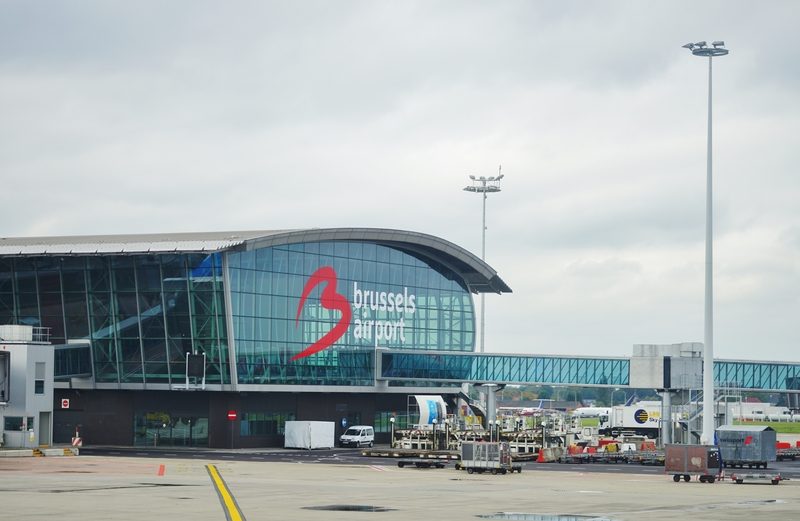
Brussels Airport Hit By Four-Hour Queues As EU Border System Strains Passport Control
That is what made this shutdown especially consequential for the traveling public. It was not an abstract Washington budget fight. It was showing up in real time at airport security lanes.
Congress Moved Only After Temporary Workarounds Started Running Out
The federal government had already taken temporary steps to keep TSA functioning.
President Trump had directed DHS in March to find a way to pay TSA workers, and emergency measures allowed back pay to begin flowing, though not always smoothly or in the correct amount. Those steps helped stabilize operations somewhat over the past month.
But the temporary patch was never a full solution. There was growing concern that once that stopgap money ran low, TSA staffing could deteriorate again and airport wait times could rapidly worsen.

That looming risk appears to have added urgency to the final House action.
This Was Also A Reminder Of How Thin Airport Security Resilience Can Be
One of the bigger lessons from the shutdown is how little slack exists in U.S. airport security staffing once attrition begins.
TSA checkpoints can usually absorb some disruption, but only up to a point. When staffing falls quickly across multiple airports at once, the result is not a gradual decline. It is a visible operational problem: long queues, missed flights, passenger frustration, and pressure on airline schedules and airport management.
That is why the DHS funding fight became such an aviation story. It exposed how quickly a political impasse can translate into airport dysfunction.
ICE And Border Patrol Funding Will Be Fought Separately
The political compromise behind the bill is clear enough.
Congress funded the majority of DHS immediately, while Republicans plan to pursue ICE and Border Patrol funding through a separate legislative vehicle. That allows airport and security operations to stabilize without requiring a broader bipartisan agreement on immigration enforcement.
For aviation readers, the key point is that the TSA piece has now been separated from the rest of the fight. That should reduce the immediate risk of another airport-security staffing spiral, even if the wider DHS funding debate continues elsewhere.
Labor Groups Welcomed The Vote, But Not The Delay
Federal worker unions welcomed the House passage, but they also made clear that they view the 10-plus-week delay as unacceptable.
That criticism is hard to dismiss. By the time lawmakers acted, the operational damage was already visible. Airport lines had surged, employees had left, and the system had already been forced into emergency workarounds.
From the perspective of airport operations, the funding bill is less a proactive fix than a late intervention that arrived after the consequences were already obvious.
Bottom Line
The House’s passage of the DHS funding bill is significant because it restores full funding for TSA and should help stabilize airport security operations after weeks of disruption tied to the partial shutdown.
The legislation leaves ICE and Border Patrol to be funded separately, but from an aviation standpoint the immediate story is simpler: the part of DHS most visible to travelers, TSA, is now funded again. After a shutdown that had already pushed some airport checkpoints into severe delays, that is the outcome the industry needed most.