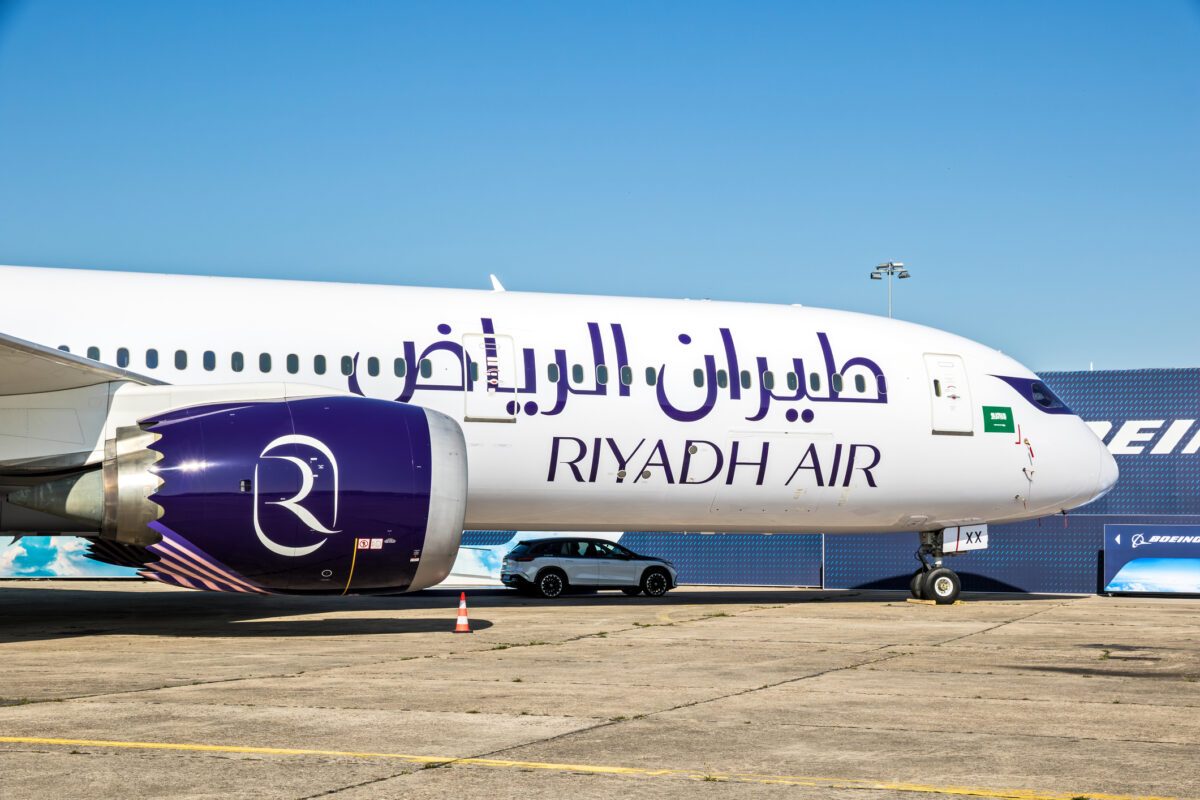
Riyadh Air and Saudia have activated the first phase of their strategic partnership, giving Riyadh Air customers access to six Saudia-operated domestic routes through Riyadh (RUH).
Under the agreement, Riyadh Air’s RX code will appear on selected Saudia flights from RUH to Abha (ABH), Qassim (ELQ), Dammam (DMM), Jeddah (JED), Madinah (MED) and Tabuk (TUU). The airlines announced the implementation on August 27, 2026.
The arrangement allows the sectors to be sold as part of a Riyadh Air itinerary, with a single booking and baggage checked through to the passenger’s final destination. Saudia remains the operating carrier on the six domestic routes, while Riyadh Air acts as the marketing carrier for flights carrying an RX number.
Read our stories in your inbox
Two aviation newsletters. Zero fluff.
Domestic Feed for Riyadh Air’s International Network
The codeshare gives Riyadh Air an immediate layer of domestic feed without requiring it to deploy its own aircraft across a broader Saudi network. It also gives passengers originating outside Riyadh more ways to connect with Riyadh Air’s expanding international schedule.
The initial list covers several of Saudi Arabia’s principal domestic markets. Jeddah and Dammam provide access to the Kingdom’s two other major metropolitan areas, while Madinah carries substantial religious and visiting-friends-and-relatives demand. Abha, Qassim and Tabuk extend the arrangement into regional markets that would otherwise require separate tickets or a connection sold outside Riyadh Air’s own retail environment.
Jeddah is a notable inclusion because Riyadh Air already operates the Riyadh–Jeddah route with its own Boeing 787-9 Dreamliner. Selling selected Saudia flights alongside its own service gives Riyadh Air additional schedule coverage on the trunk route while preserving its widebody capacity for the flights and times that best fit its network plan.
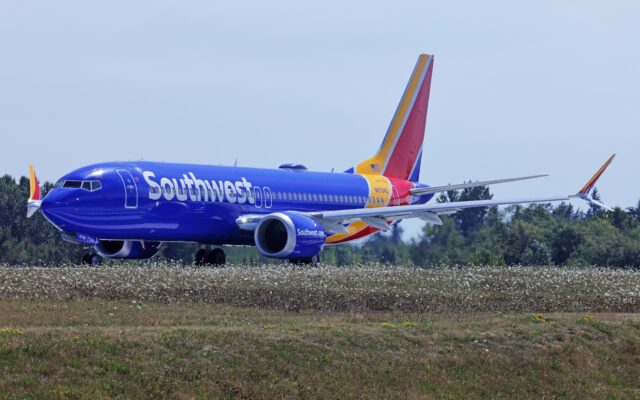
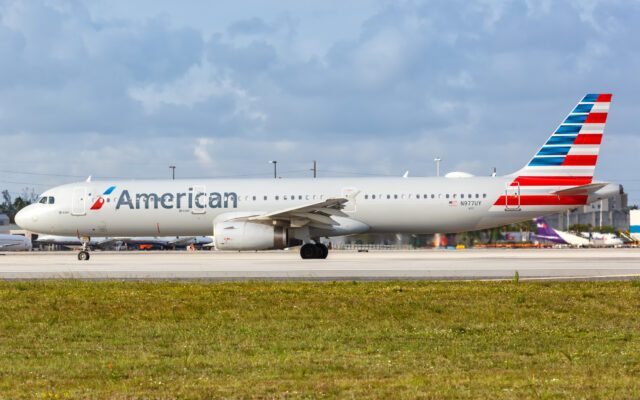
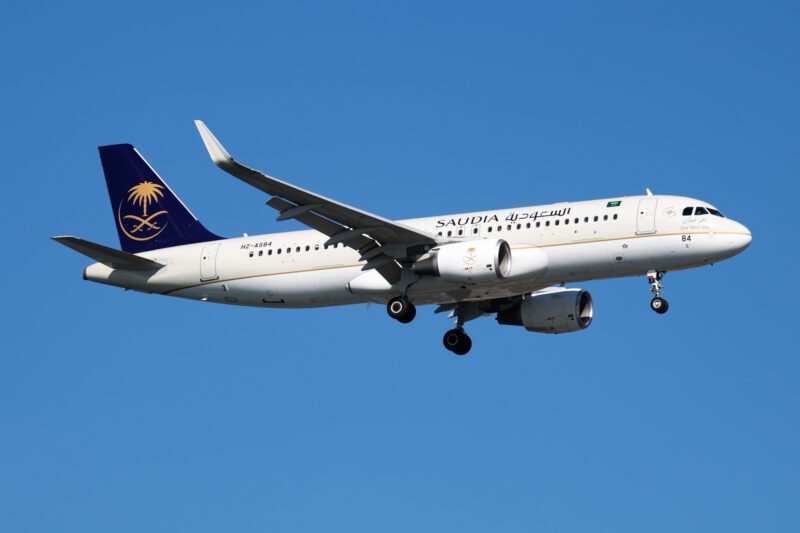
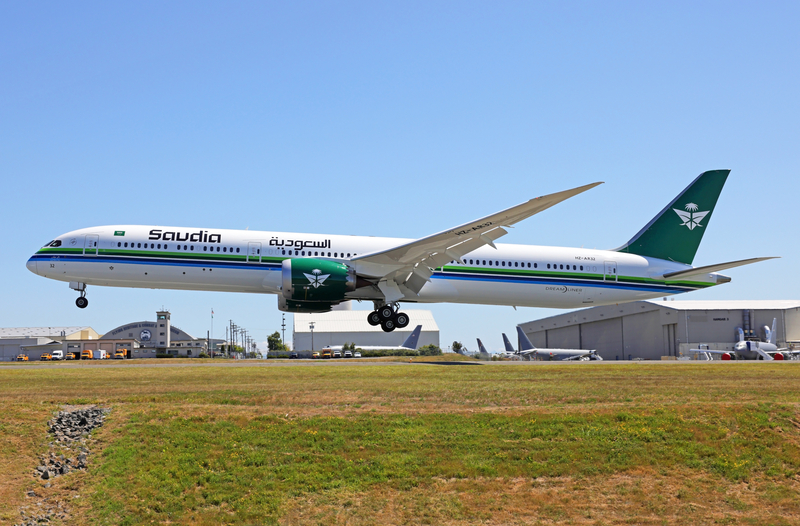
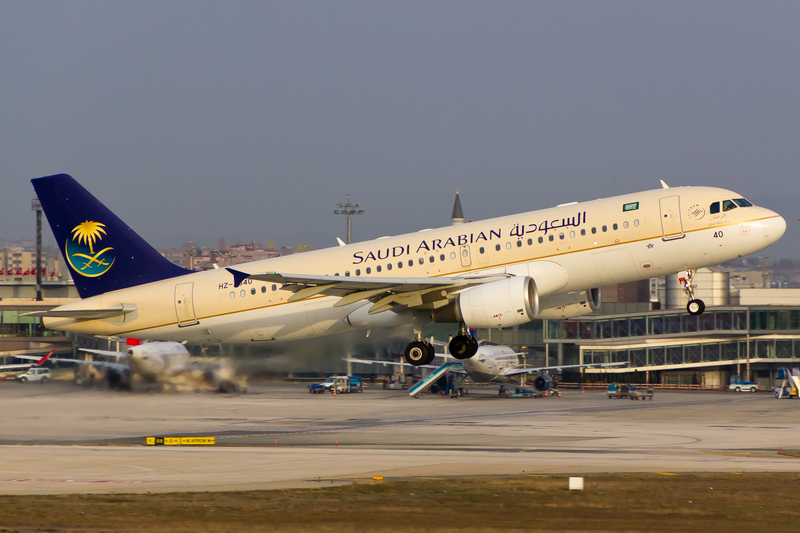
The operating aircraft on the codeshare sectors come from Saudia’s fleet. Its published fleet inventory includes 37 Airbus A320-214s and 21 Airbus A321s, the narrowbody types that support much of the carrier’s domestic and regional flying. Their capacity and lower trip cost make them better suited than Riyadh Air’s long-haul Dreamliners to distributing connecting traffic across multiple daily domestic frequencies.
Riyadh Air’s Boeing 787-9 Dreamliner, by contrast, is the foundation of its own international operation. Boeing delivered the airline’s first two production 787s in June 2026. The twin-aisle type gives Riyadh Air the range and operating economics needed for long-haul service, while the Saudia partnership supplies narrower domestic spokes into the RUH hub.
Two Different Retailing Systems Connected
The commercial agreement also represents an important technology test. Riyadh Air launched with a native Offer-and-Order retailing architecture rather than placing a conventional passenger service system at the center of its commercial operation. Saudia uses a traditional PSS environment.
The carriers describe the resulting connection as an airline-industry first: a live codeshare between a native Offer-and-Order airline and a carrier operating through a conventional passenger service system. Riyadh Air connected its platform to Saudia’s PSS after development and testing involving FLYR, Ink and Amadeus.
FLYR’s platform replaces the collection of tickets, ancillary records and other documents traditionally used to service a passenger with a consolidated order. In its description of Riyadh Air’s retailing system, FLYR said the architecture supports dynamically assembled products and places flights and additional services within one order record.
A codeshare with an established network airline is a more demanding application than selling Riyadh Air’s own flights. Availability, schedules, passenger records, check-in data and servicing instructions must pass between platforms built around different commercial concepts. The Saudia implementation demonstrates that Riyadh Air’s order-based structure can interact with conventional airline infrastructure rather than functioning only as a closed system.
For passengers, the underlying architecture should remain largely invisible. Riyadh Air’s own codeshare guidance makes the operating distinction clear: the marketing airline sells the itinerary and applies its fare rules, while operating-carrier policies can still govern elements of the journey.
Agreement Moves Beyond the 2023 Framework
The launch turns a framework signed nearly three years ago into a live commercial product. Riyadh Air and Saudia agreed to pursue codeshare, interline and loyalty cooperation in a November 2023 memorandum of understanding signed during the Dubai Airshow.
That agreement anticipated passengers combining sectors operated by the two national carriers and earning loyalty benefits across the partnership. The first implementation is narrower: RX is being placed on selected Saudia-operated domestic flights, while reciprocal loyalty earning and redemption remain part of a later phase.
The airlines plan to introduce cooperation between Riyadh Air’s Sfeer program and Saudia’s Alfursan program, along with reciprocal lounge arrangements for eligible passengers. Saudia also intends to place its SV code on selected Riyadh Air-operated services as the partnership expands. That reverse codeshare will be commercially significant because it will allow Saudia to sell additional international options from Riyadh without operating the underlying flights.
The airport layout should support the connecting proposition. Saudia’s passenger guidance places its domestic operation in Terminal 4 and its international operation in Terminal 2 at RUH, within the airport’s interconnected Terminal 1-4 complex. The codeshare removes the need for passengers to build separate reservations even when a terminal transfer remains part of the connection.
Bottom Line
The immediate winner is Riyadh Air. Six Saudia spokes broaden the effective reach of its RUH hub without consuming scarce Dreamliner capacity or forcing the new carrier to build a large domestic schedule ahead of demand. The arrangement also gives Riyadh Air more itinerary combinations to sell from the outset, improving the utility of each international frequency.
For Saudia, the agreement provides access to traffic generated by a growing Riyadh-based international carrier while supporting the gradual division of roles envisioned for Saudi Arabia’s two national airlines. Saudia contributes domestic scale and established operating depth; Riyadh Air contributes a new international network centered on the capital. The partnership suggests the carriers are being positioned as complementary parts of the national aviation strategy rather than as entirely separate networks competing for the same connecting passenger.
The next tests will be broader route coverage, reciprocal SV codes on Riyadh Air flights and the delivery of loyalty and lounge benefits. Just as important will be the performance of the technology bridge during disruptions and itinerary changes, when codeshare relationships place the greatest demands on reservation and servicing systems. If the integration proves reliable at scale, the project will matter beyond these six routes as an early demonstration that an order-based airline can participate fully in the industry’s existing partnership structure.
Keep reading FlyMag
Get the Daily Brief in the morning or the Route Watch weekly recap on Fridays. Or both.