Northeast Airlines and Travel has outlined plans to return the Northeast Airlines name to commercial flying, targeting a third-quarter 2027 launch with Boeing 737-800 Freighter aircraft.
The Chicago-based company said it has entered the Federal Aviation Administration’s application process for a Part 121 air carrier certificate. Its proposal centers on scheduled cargo operations supported by charter brokerage, aircraft leasing, travel sales and aviation asset-management services.
The project remains at the certification stage. Northeast’s own legal notice says the company is not currently a direct air carrier and does not exercise operational control over aircraft. Its present charter services are arranged through appropriately certificated operators.
Read our stories in your inbox
Two aviation newsletters. Zero fluff.
A Part 121 application, not yet an airline
Northeast has set a tentative certification target in the third quarter of 2027 and says it is developing operating manuals, training programs and a safety management system for its proposed cargo operation.
The FAA’s Part 121 process moves through pre-application, formal application, design assessment, performance assessment and final administrative phases. Before a certificate and operations specifications are issued, an applicant must demonstrate that its aircraft, personnel, manuals, training and management systems can support the planned operation.
Aircraft conformity inspections and proving flights come later in the process. The FAA also requires an applicant to hold Department of Transportation economic authority before it can receive its operating certificate and OpSpecs. Northeast’s 2027 date is therefore a planning target rather than a confirmed start of service.
The company has not published a route structure or identified a Chicago airport for its proposed base. Its corporate address is at the Aon Center in downtown Chicago.
The 737-800 as a narrowbody cargo platform
Northeast plans to establish its initial fleet around the Boeing 737-800 Freighter, placing it in a growing segment of operators using converted Next-Generation 737s for express freight and regional cargo networks.
For Boeing’s own converted version, the 737-800BCF specification lists a structural payload of 23.95 metric tons and a design range of 1,995 nautical miles at that payload. With a volume-limited payload of about 20.8 tons, design range rises to 2,570 nautical miles.
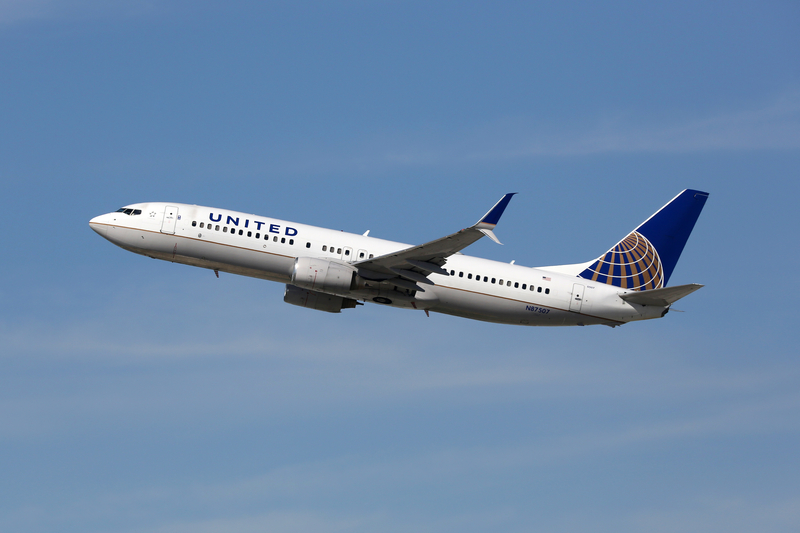
The main deck provides space for 11 standard pallets plus a smaller position, with additional bulk volume below deck. That combination makes the aircraft suitable for overnight parcel networks and medium-haul freight sectors where a widebody would provide more capacity than the market requires.
Northeast has described the type as the foundation of its planned operation, but aircraft acquisition, conversion and induction will need to align with the later stages of certification.
A broader aviation-services business
The proposed airline is one part of a wider business model. Northeast already markets passenger and cargo charter brokerage, including AOG movements, engine transportation, dangerous goods, onboard courier services and aircraft leasing through its services business.
Its company profile describes relationships with operators, airports, handlers, freight forwarders and government agencies used to arrange flights on behalf of customers. It also sells leisure and group travel products under the Yellowbirds branding.
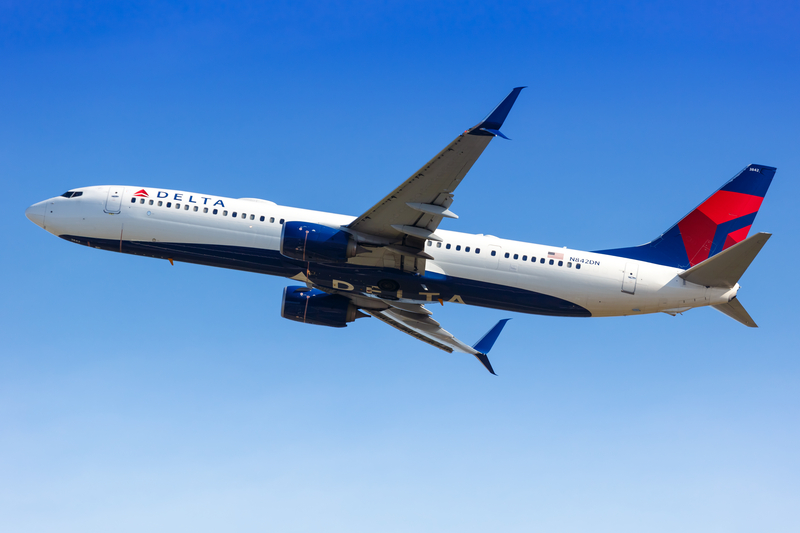
Delta Passenger’s Tarmac Outburst In Atlanta Could Bring Serious Federal Consequences
In July, the company announced a material and asset-management division focused on aircraft dismantling, component recovery, expendable parts, spares and storage. Those activities give Northeast a potential revenue base outside scheduled flying while the certification program advances.
Reusing the Yellowbird identity
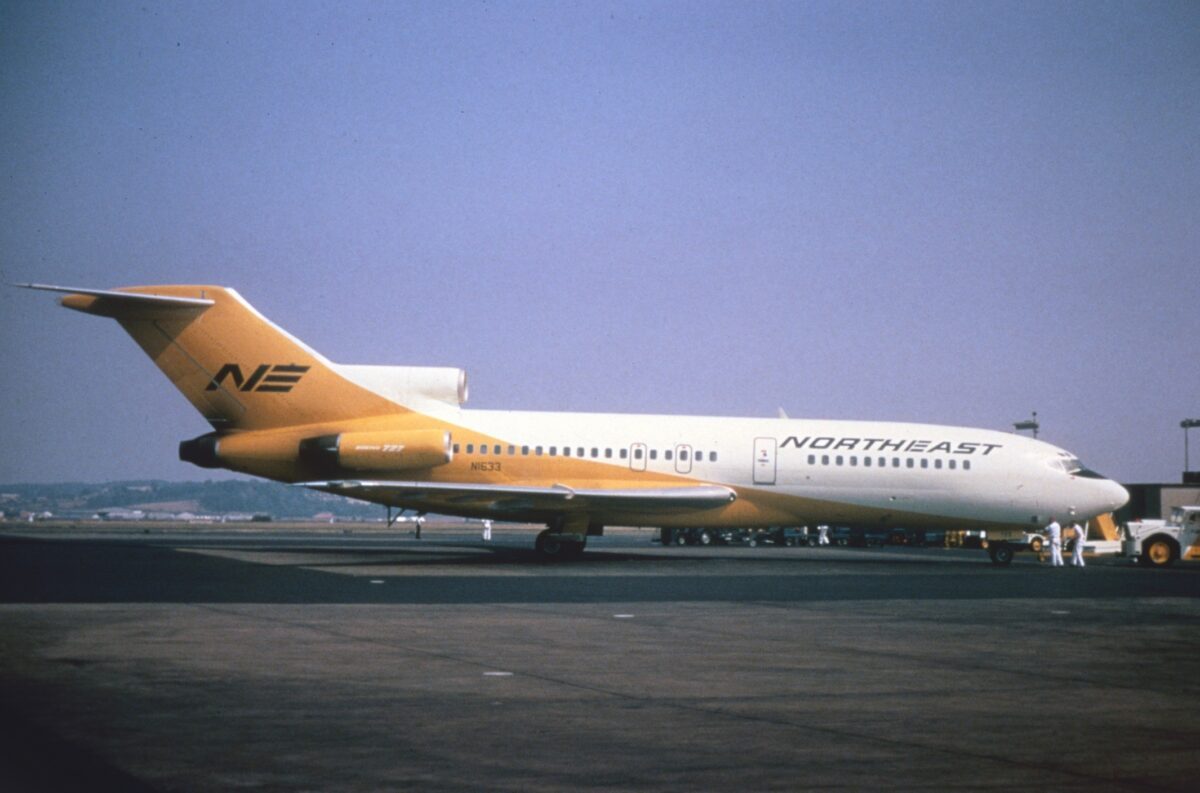
The name and visual identity draw directly from the Boston-based Northeast Airlines that became part of Delta Air Lines on August 1, 1972. The original carrier introduced the Yellowbird campaign in September 1966 as part of a broad fleet and marketing overhaul.
Northeast’s 1966 annual report, titled “Year of the Yellowbirds,” presented the branding as the public face of the “New Northeast.” By the late 1960s, the yellow-and-white scheme had become closely associated with the airline’s expansion into Florida, the Bahamas and Bermuda.
The Delta Flight Museum records that the historic Northeast operated from 1933 until the 1972 merger. The new Chicago venture is using that heritage identity for a substantially different operation, led by narrowbody cargo flying rather than a New England passenger network.
Bottom Line
Northeast Airlines has moved beyond branding the Yellowbird revival by establishing a services business and announcing a defined aircraft and certification plan. Its return to direct flying, however, depends on completing the FAA process, obtaining DOT authority and placing operational aircraft under its certificate.
Keep reading FlyMag
Get the Daily Brief in the morning or the Route Watch weekly recap on Fridays. Or both.