Miami-Dade County is considering a minimum revenue guarantee as it intensifies a long-running effort to secure nonstop passenger service between Miami (MIA) and Tokyo.


The county’s latest air service development report, accepted by commissioners on October 6, identifies Japan Airlines as the strongest near-term prospect for the route. It also says the Miami-Dade Aviation Department is evaluating a revenue guarantee model specifically for a possible American Airlines service.
Neither carrier has committed to the route. The county continues to describe Tokyo as a two- to three-year opportunity, making the report a route-development update rather than an airline announcement.
Read our stories in your inbox
Two aviation newsletters. Zero fluff.
Miami Moves Beyond a Conventional Route Pitch
MIA has pursued Tokyo service since June 2011, according to the county. Its work has included market studies, airline meetings, trade missions and discussions at industry events. The latest report says the airport has completed an updated business case and plans to present it to Japan Airlines during meetings in October 2026.
That follows the county’s broader push for new Asian nonstops, which put elected officials, the airport and local business organizations behind a coordinated route-development campaign.
The addition of a potential minimum revenue guarantee marks a more direct intervention. Under that structure, a public or privately supported fund would cover an agreed portion of any revenue shortfall during the route’s introductory period. If ticket and cargo sales reached the target, the guarantee would not be drawn in full.
Miami-Dade has not approved a guarantee amount or funding agreement. The report says only that the model is under evaluation for American, leaving substantial work before it could become an actionable airline incentive.
Such support would address only the launch risk. A carrier would still have to determine whether the route could generate sustainable year-round returns once the introductory protection ended.
Japan Airlines’ A350 Deliveries Improve the Fleet Case
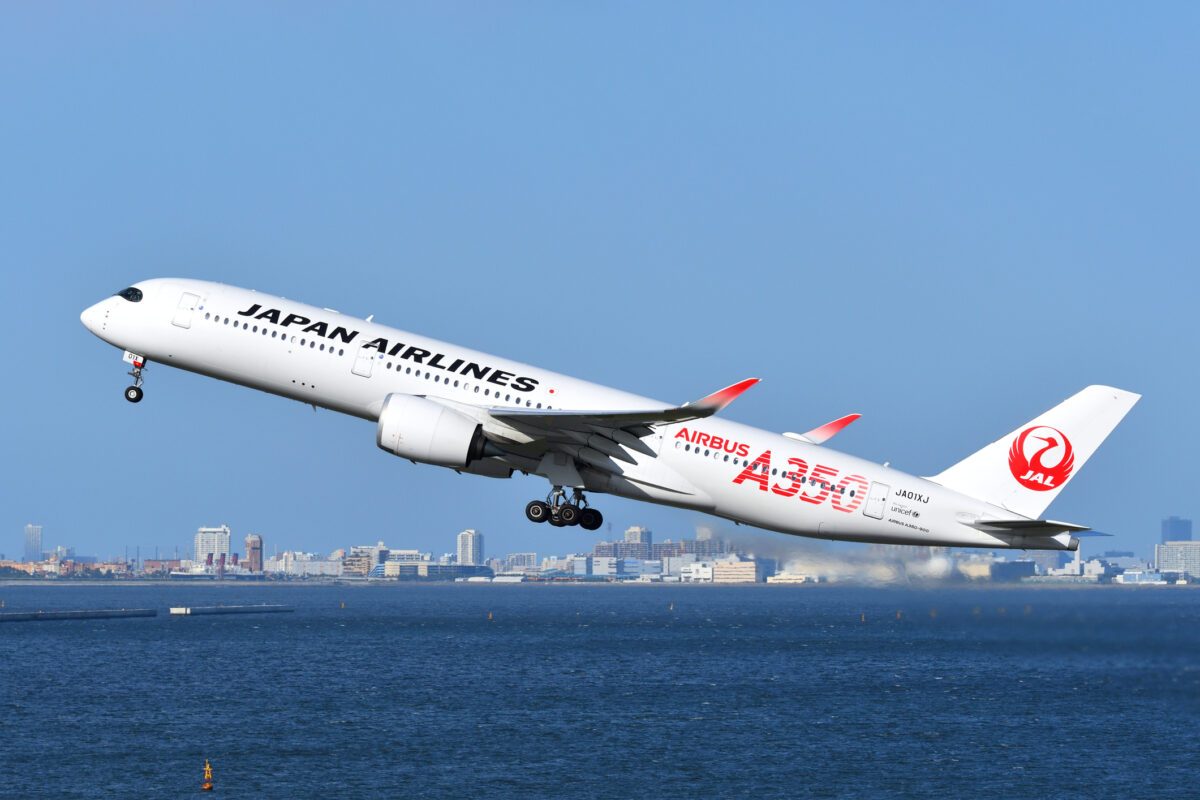
The county says Japan Airlines has aircraft capable of operating the route and expects its long-range availability to improve over the next two to three years. The most relevant type is the Airbus A350-1000, which JAL is introducing as the flagship of its international fleet.
JAL currently lists 11 A350-1000s in its operating fleet. The airline ordered 13, meaning the planned fleet has nearly reached its original size, although individual aircraft remain heavily committed to established long-haul markets.
The JAL configuration is unusually premium-heavy. Its 239 seats include six in first class, 54 in business, 24 in premium economy and 155 in economy, according to Airbus’ delivery announcement. Airbus now quotes a maximum range of 9,100 nautical miles for the type, giving it ample technical capability for a Miami-Tokyo mission.
The cabin mix also illustrates the commercial requirement. A route of this length cannot rely exclusively on leisure traffic. It needs a dependable combination of corporate demand, premium leisure sales, connecting passengers and cargo to support the aircraft’s trip cost.
JAL is still spreading its new flagship across its existing network. Its winter 2026 schedule expands A350-1000 flying on established European services, demonstrating that each additional aircraft has several competing uses before Miami enters the network.

MIA has meanwhile supported JAL charter operations associated with the 2026 World Baseball Classic. The county says those flights allowed the airport to demonstrate its handling of Japanese arrivals, including airfield, terminal, customs and VIP coordination. The charters established operational readiness, though scheduled service would require a considerably broader and more consistent demand base.
American Offers Feed but Faces Its Own Aircraft Choices
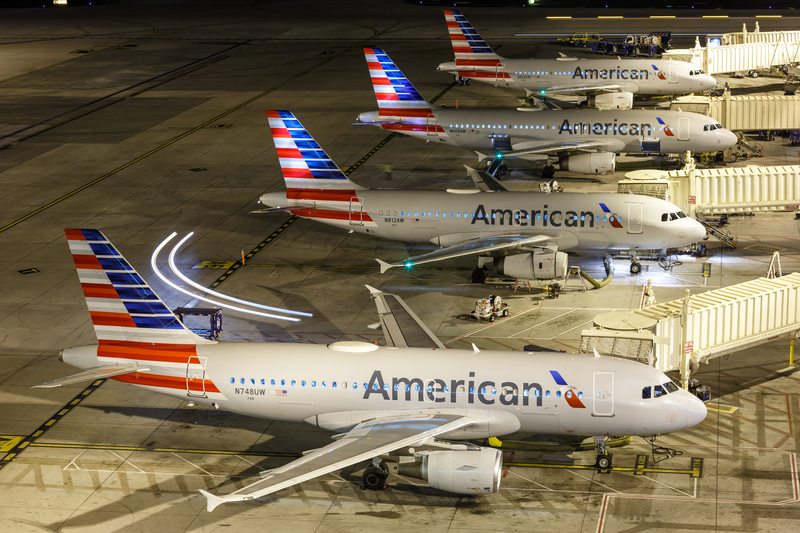
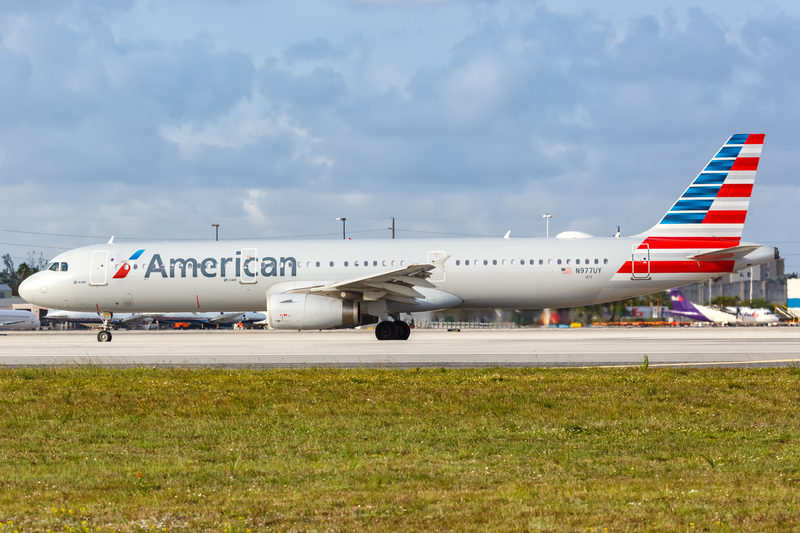
American would approach the route from the opposite end of the network. MIA is its largest international gateway to Latin America and the Caribbean, giving a Tokyo flight access to connections that JAL could sell through the carriers’ joint business.
American accounted for 55.9% of MIA’s enplaned passengers in the fiscal year ending September 30, 2025, while its regional operation accounted for another 4.6%, according to the airport’s annual report to bondholders. That scale gives American the schedule depth to build connecting banks around a long-haul departure.
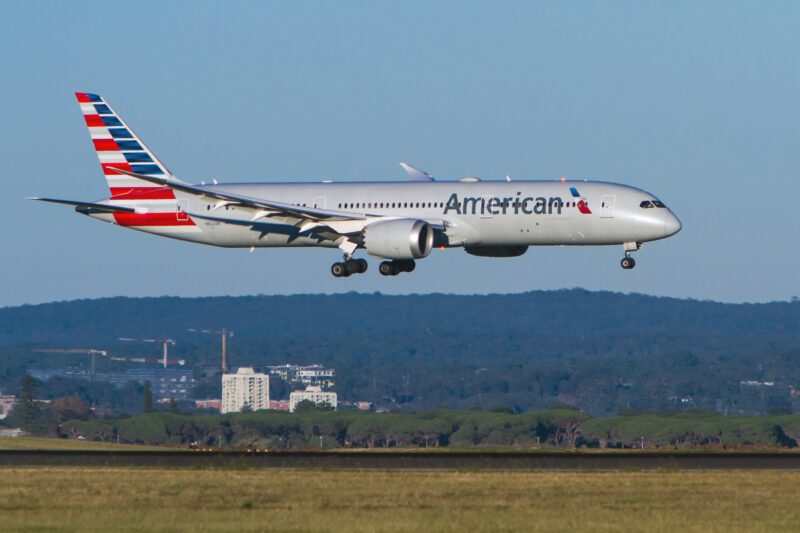
The Boeing 787-9 would be the logical American aircraft. Boeing lists a range of up to 8,300 nautical miles for the type, while American’s newly delivered premium configuration includes 51 Flagship Suite seats and 32 premium economy seats. The airline said in 2025 that it had 30 additional 787-9s on order.
Those deliveries expand American’s options, but they do not remove the opportunity cost. A Miami-Tokyo rotation would consume substantial aircraft time and compete with expansion or additional frequencies in markets where American already has an established customer base.
American and Japan Airlines operate an active antitrust-immunized transpacific partnership, according to the U.S. Department of Transportation. That relationship allows the carriers to coordinate commercially, making the choice of operating airline less important to the combined network than it would be for two unrelated carriers.
The Next Step Is an Airline Decision, Not Another Study
The county has completed its business case, hosted JAL charters and opened the possibility of financial support. The remaining question is whether either airline considers Miami the best use of a scarce long-range aircraft.
MIA planned to meet JAL at the Southeast U.S./Japan Joint Meeting and at Routes World, scheduled for October 20-23, 2026. Those discussions should determine whether the airport advances toward a formal incentive proposal or continues to wait for additional fleet capacity.
A credible launch would require more than an aspirational timeline. The decisive milestones will be an airline-approved business case, a defined funding structure for any revenue guarantee, an aircraft assignment and a schedule that connects effectively at both ends.
Bottom Line
Miami’s willingness to examine a revenue guarantee shows how aggressively airports must now compete for scarce long-haul aircraft. The incentive could shift some early risk away from American, but it cannot turn a weak route into a durable one. Any agreement should therefore be judged on its duration, the source of the funds and the performance thresholds required before payments are made.
Japan Airlines may offer the more natural aircraft and onboard product, while American offers the deeper MIA network. Their joint business means either operating model could work commercially, provided the partners can assemble enough premium local traffic and connecting demand. A JAL-operated A350-1000 would also give Miami a distinctive Asian flagship service without requiring American to divert one of its incoming 787-9s.
The October meetings are the immediate test. If they produce a formal incentive negotiation or an airline planning commitment, Miami will have moved closer to its first scheduled passenger link with Asia. If discussions remain centered on future deliveries, the route is likely to stay in the two- to three-year development window already set out by the county.
Keep reading FlyMag
Get the Daily Brief in the morning or the Route Watch weekly recap on Fridays. Or both.