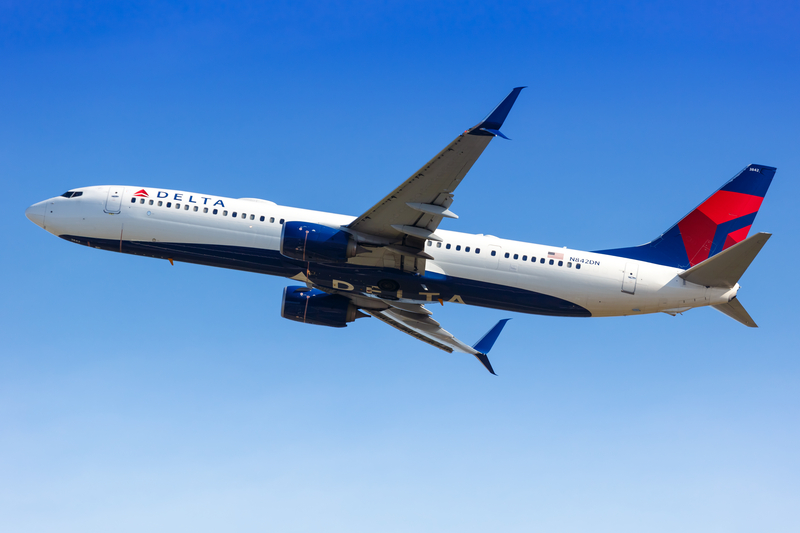
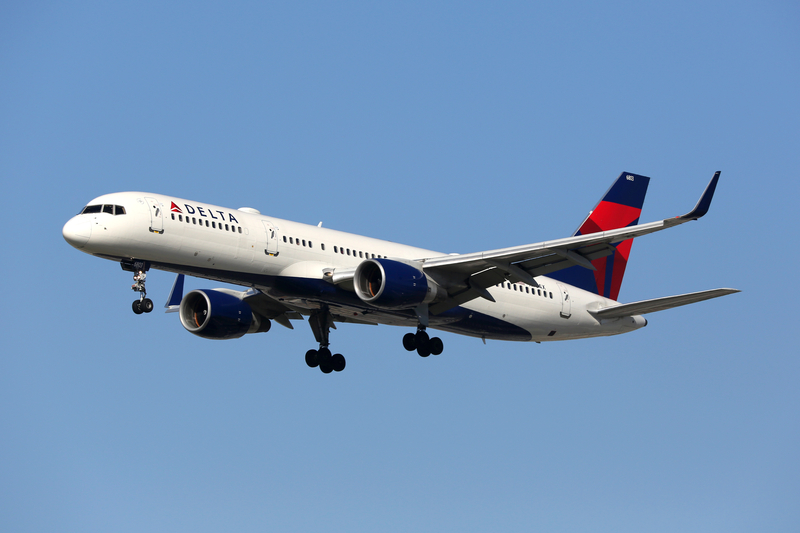
A Delta Air Lines flight from Hartsfield-Jackson Atlanta International Airport (ATL) to Chicago O’Hare International Airport (ORD) turned into a major security and operational incident after a passenger partially opened a cabin door while the aircraft was delayed on the ground.

The incident involved Delta flight DL2879, a Boeing 737-900ER, during a weather-related hold caused by severe thunderstorms and an FAA ground stop affecting Chicago. The aircraft had not departed yet, but the doors had already been closed and the flight was effectively trapped in the tarmac-delay cycle when the passenger became agitated and moved toward the front of the airplane.
For aviation readers, the most important point is this: this was not just a disruptive outburst. It was an interference event involving an aircraft door on a live commercial flight, and that puts it in a much more serious category than an ordinary unruly-passenger case.
Read our stories in your inbox
Two aviation newsletters. Zero fluff.
The Delay Set The Stage, But It Was Not The Cause
Delta flight DL2879 was scheduled to leave Atlanta for Chicago in the early evening, but severe thunderstorms and an FAA ground stop into O’Hare forced the aircraft to remain on the ground for hours.
That context matters because weather-related tarmac delays are among the most frustrating situations for passengers. Once a flight is boarded, doors are closed, and the airplane is held in a departure queue with little immediate certainty, tensions can rise quickly. But even in that environment, passengers do not get to decide for themselves when the airplane is reopened or when they can deplane.
That is where this incident crossed the line. A long delay may explain frustration. It does not excuse direct interference with an aircraft exit.
The Passenger Allegedly Partially Opened The Door
According to reporting and Delta’s own comments, the passenger, identified by local media as Thomas W. Ryan, became increasingly agitated and eventually managed to partially open a cabin door.
That detail is critical. The door was not opened in flight, and the emergency slide did not deploy. But even a partial opening on the ground is a serious event because it immediately forces the crew to stop the operation, return the aircraft to the gate, and have the door inspected before the airplane can continue.
In airline operations, that means one passenger’s actions instantly become a maintenance issue, a dispatch issue, a customer-service issue, and a law-enforcement issue all at once.
Why The Slide Not Deploying Matters
One reason the situation could have become even worse is that the slide did not deploy.
That may sound like a minor technical footnote, but it is not. If the slide had deployed, the disruption would have expanded significantly. Emergency slide deployment can put an aircraft out of service until the equipment is replaced, inspected, and recertified. It also creates immediate cost and operational damage and can result in major knock-on cancellations.
In this case, the fact that the slide stayed stowed likely spared Delta a much bigger disruption than it otherwise might have faced. The aircraft still had to return to the gate and undergo maintenance checks, but the absence of slide deployment limited the damage.
Delta’s Crew Handled It As A Security Event
Delta has made clear that it views the incident through the lens of safety and unruly-passenger enforcement, not just customer dissatisfaction.
That is exactly the right framing. Once a passenger attempts to manipulate an aircraft exit after doors are secured, the matter stops being a service complaint and becomes a threat to safe operations. The crew’s job at that point is not to negotiate comfort. It is to regain control of the cabin, secure the aircraft, and involve airport security and law enforcement.
That is what happened here. The aircraft returned to the gate and the passenger was removed.
The Flight Still Reached Chicago, But At A Cost
After the passenger was taken off the aircraft, Delta’s maintenance team inspected the Boeing 737-900ER and cleared it to depart later that night.
The flight eventually left Atlanta after midnight and arrived in Chicago in the early hours of Tuesday morning. The delay did not end with the disruptive act itself. It extended well beyond it, because once an aircraft door is tampered with, the airline cannot simply continue as if nothing happened.
That is an important practical point for readers. Unruly-passenger events are not just personal conduct stories. They can create significant downstream disruption for every other passenger onboard and for subsequent aircraft utilization.
This Was Not A Midair Door Event — And That Matters
It is also important to keep the physics straight.
Passengers often talk as though aircraft doors can be opened at any time, but that is not realistic once an aircraft is fully pressurized in flight. The reason this event was operationally possible is that the aircraft was still on the ground and unpressurized.
That distinction matters because it helps explain why the door could be manipulated at all. This was a ground security and operational issue, not an in-flight decompression risk. Serious as it was, it belongs in the category of tarmac interference rather than airborne structural danger.
The Legal Exposure Could Be Significant
The passenger now appears to be facing criminal charges, and that is not surprising.
Opening or attempting to open an aircraft door during active commercial operations can expose a passenger to far more than a simple airline ban. Depending on the exact facts, the legal consequences can include criminal charges tied to interference with crew duties or tampering with an aircraft in service. Even if the act does not create physical damage, it still creates operational hazard and can force emergency-level decision-making from the crew.
That is why people familiar with airline operations quickly described the legal risk here as substantial. This is the kind of conduct authorities tend to treat seriously.
The Bigger Story Is Tarmac Fragility In Bad Weather
The incident also says something broader about U.S. airline operations.
When weather disrupts major hubs like Atlanta and Chicago, the system becomes fragile very quickly. Aircraft queue, passengers sit for hours, gate availability tightens, and every additional disruption becomes harder to absorb. One unruly passenger on one aircraft can then turn a routine weather delay into a much more costly operational breakdown.
That does not mean the delay caused the behavior. It means the environment was already unstable, and the passenger’s actions made it worse for everyone else.
Bottom Line
The Delta incident on flight DL2879 from Atlanta (ATL) to Chicago O’Hare (ORD) was far more serious than an angry passenger simply demanding to get off a delayed plane. By allegedly partially opening a cabin door while the aircraft was held on the ground, the passenger triggered a security response, forced the flight back to the gate, and created a maintenance and legal problem on top of an already difficult weather delay.
The fact that the slide did not deploy and the aircraft eventually continued helped limit the fallout. But the bigger lesson remains clear: once a passenger interferes with an aircraft exit during active operations, the issue moves immediately from inconvenience to enforcement.
Keep reading FlyMag
Get the Daily Brief in the morning or the Route Watch weekly recap on Fridays. Or both.