Lufthansa Group has placed a firm order for 20 Boeing 737 MAX 10 aircraft by converting part of the option package attached to its 2023 narrowbody agreement.


The group’s supervisory board approved the purchase, which raises its firm Boeing 737 MAX order to 60 aircraft: 40 Boeing 737 MAX 8s from the original transaction and the newly added 20 MAX 10s. Lufthansa Group still holds rights for another 40 aircraft from the family after exercising the first third of its 60 options.
Deliveries of the MAX 10s are scheduled to begin in the early 2030s. Lufthansa Group put the order’s list value at approximately $3.4 billion, although list prices do not reflect the confidential discounts and commercial terms customary in large fleet transactions.
Read our stories in your inbox
Two aviation newsletters. Zero fluff.
The aircraft will gradually replace older Airbus A320-family jets across the group, according to the Lufthansa Group announcement.
A Larger Variant for High-Volume European Flying
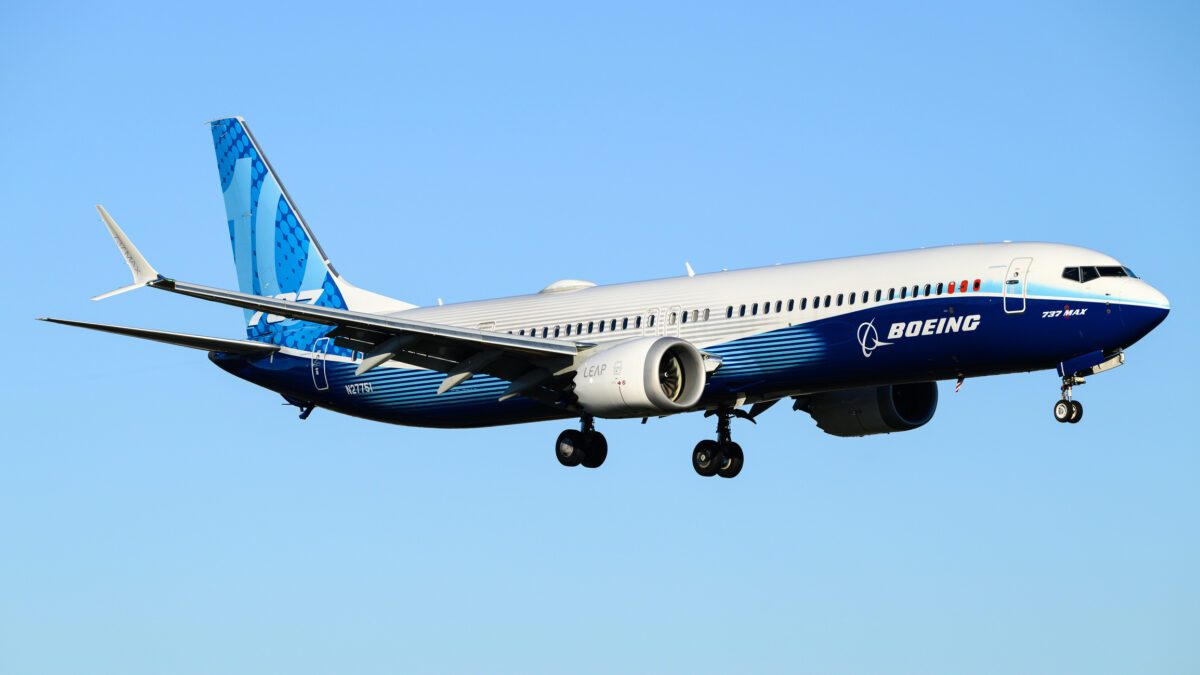
The Boeing 737 MAX 10 is the largest member of the MAX family. At 143 feet 8 inches long, it is more than 14 feet longer than the MAX 8 already ordered by Lufthansa Group.
Boeing lists the MAX 10 with typical two-class capacity of 185 to 210 passengers, a maximum certified seating target of 230 and a range of up to 3,100 nautical miles. The aircraft uses the CFM International LEAP-1B engine fitted across the MAX family.
That combination places the MAX 10 in the higher-capacity end of Lufthansa Group’s European fleet plan. Its range covers the group’s core continental network while providing more seats than the MAX 8, making it suited to dense short- and medium-haul sectors where additional gauge can reduce unit costs without adding frequencies.
Lufthansa Group said the aircraft’s greater seating capacity should produce unit costs approximately 20% below those of the older aircraft it will replace. It also expects fuel consumption to be around 30% lower than the targeted older-generation A320-family jets.
The comparison reflects both the efficiency of the new airframe and engine combination and the effect of spreading operating costs across more seats. Actual performance will depend on cabin layout, stage length, payload and the specific aircraft displaced.
Replacement Pool Extends Across Several Airlines
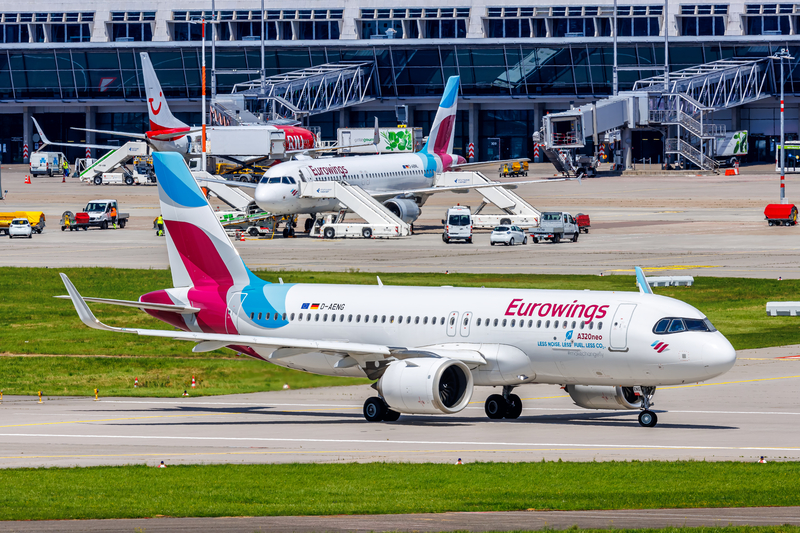
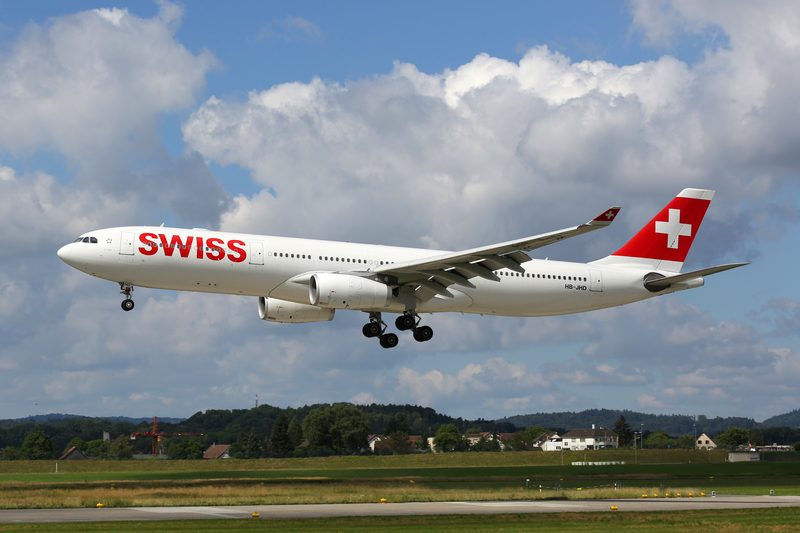
The scale of Lufthansa Group’s existing Airbus narrowbody operation gives it considerable flexibility over where the MAX 10s eventually enter service. At the end of 2025, the group’s published fleet inventory included 83 Airbus A319s, 180 Airbus A320s and 76 Airbus A321s, alongside 71 A320neos and 30 A321neos.
The older-generation A319, A320 and A321 fleets were spread among Lufthansa, SWISS, Austrian Airlines, Brussels Airlines and Eurowings. That creates a broad replacement requirement extending well into the next decade, rather than a single fleet transition concentrated at one airline.
Lufthansa Group has not assigned the MAX 10 order to a particular operating company. Its fleet policy calls for new aircraft to be allocated centrally to individual airlines shortly before delivery, allowing management to match equipment with demand, labor arrangements and replacement priorities closer to entry into service.
When the original MAX agreement was announced in December 2023, Lufthansa Group said the 40 MAX 8s would be deployed at one of its operations other than Lufthansa, Lufthansa City Airlines or SWISS because growth at those carriers was already supported by other orders. The group has not extended that allocation statement specifically to the MAX 10s, which will arrive several years later.
Order Builds on Lufthansa’s 2023 Return to the 737
The December 2023 fleet package covered 40 MAX 8s and 60 MAX-family options, along with 40 Airbus A220-300s, 20 A220 options and purchase rights for 40 additional A320-family aircraft.
Lufthansa Group initially planned a 190-seat, two-class configuration for the MAX 8. Its latest annual fleet plan placed deliveries of those 40 aircraft between 2028 and 2032, later than the third-quarter 2027 starting point stated when the order was first announced.
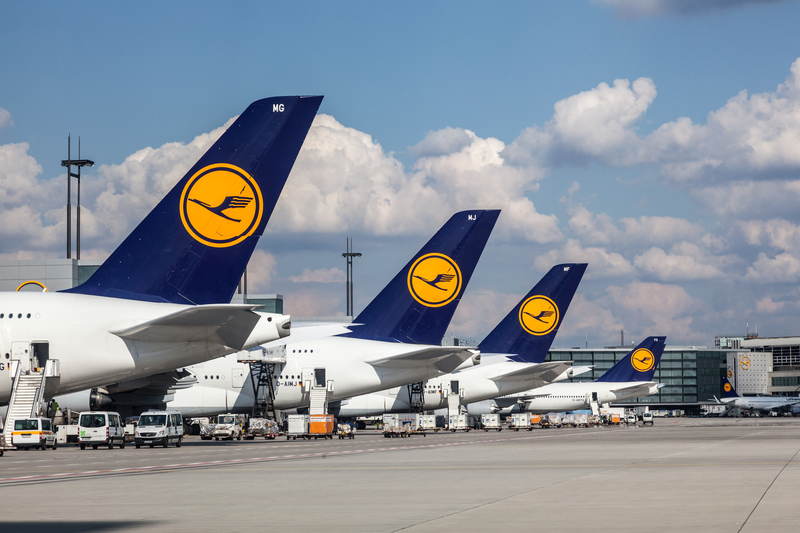
The 2023 decision marked the return of the 737 family to Lufthansa Group’s fleet plan after a long absence. Lufthansa helped launch the original 737 and received the first of 146 aircraft in 1967. Its last new 737-300 arrived in 1995, while the final aircraft from the earlier 737 fleet left service in 2016. Boeing described the 2023 transaction as Lufthansa Group’s first single-aisle Boeing order in almost 30 years in its announcement of the agreement.
MAX 10 Certification Remains a Program Milestone
The MAX 10 had not yet entered commercial service when Lufthansa Group converted the options. Boeing completed the aircraft’s final planned certification flight in July 2026 after 976 flights and more than 2,060 flight hours.
At that point, Boeing said it was working toward certification during 2026 and initial customer deliveries in 2027. Remaining work included development assurance reviews, system safety assessments and submission of final material to the Federal Aviation Administration. The test program also covered changes to the MAX engine anti-ice system and an enhanced angle-of-attack system.
Lufthansa Group’s early-2030s delivery position leaves several years between the planned start of MAX 10 service and the arrival of its aircraft. That timing reduces its exposure to the initial certification and production ramp while securing positions for a period when a substantial part of its current narrowbody fleet will be approaching replacement.
Bottom Line
The MAX 10 order gives Lufthansa Group a second capacity point within its renewed Boeing narrowbody fleet. The MAX 8 provides a 190-seat baseline, while the larger aircraft gives the group another way to add seats on constrained or high-demand European sectors without moving to a widebody or increasing frequency. That flexibility will be most valuable if airport, slot and labor constraints continue to make capacity growth through additional departures difficult.
The transaction also reinforces Lufthansa Group’s dual-source procurement strategy. Airbus remains deeply embedded across its continental airlines, and the group continues to receive A220s and A320neo-family aircraft. Converting Boeing options ensures that future replacement planning is not dependent on a single airframer, production system or engine family. The group’s remaining 40 MAX options preserve room to adjust the balance again as delivery availability and operating requirements develop.
The next decisions to watch are the operating airline, cabin density and delivery sequence between the MAX 8 and MAX 10 fleets. Those choices will show whether Lufthansa Group intends to concentrate the type within one carrier for scale or distribute it across several airlines as older A319s, A320s and A321s leave service. With deliveries still years away, the order secures capacity rather than settling the final shape of the fleet.
Keep reading FlyMag
Get the Daily Brief in the morning or the Route Watch weekly recap on Fridays. Or both.