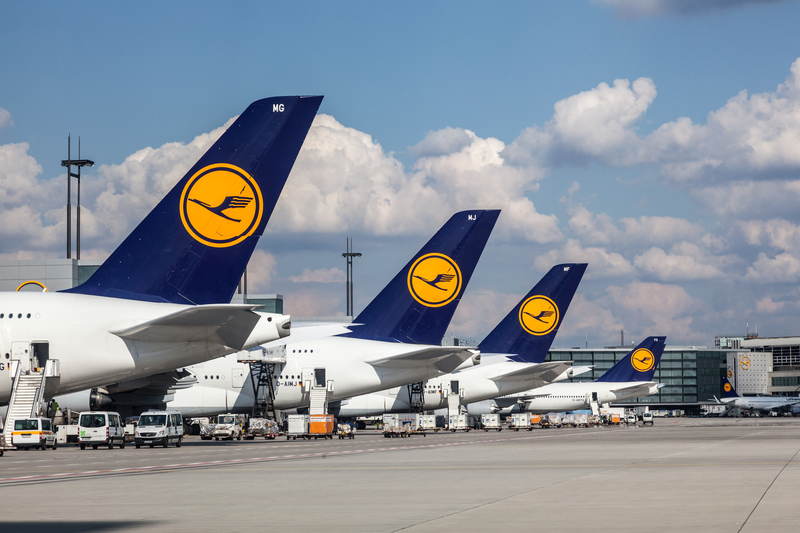
Lufthansa is trying to make the connection itself part of the product.

The airline has launched a new Munich stopover program that allows eligible passengers to turn a standard transfer at Munich Airport (MUC) into a short city break of up to seven days, all within the same booking flow. For now, the concept is centered on Munich, but Lufthansa is already signaling that it sees this as the first step in a broader stopover strategy across the wider Lufthansa Group network.
For airline professionals, the significance goes beyond passenger convenience. This is a network, revenue, and brand play all at once.
Read our stories in your inbox
Two aviation newsletters. Zero fluff.
Munich Becomes More Than A Hub
Munich Airport (MUC) has long been one of Lufthansa’s most important hubs, but this program pushes the airport into a slightly different role.
Instead of being treated only as a transfer point between origin and destination, Munich is now being marketed as an intermediate destination in its own right. That is a subtle but important shift. Airlines have always wanted passengers to choose their hubs over rival hubs. A stopover product gives them another reason to do so.
For Lufthansa, that means MUC is no longer just the place where a connection happens. It becomes part of the itinerary’s value proposition.
The Program Is Built Into The Booking Flow
One of the more interesting aspects of the launch is how Lufthansa is handling the product technically.
Passengers do not need to create a separate itinerary or book disconnected tickets. If a route is eligible, the stopover option appears during the normal booking process on lufthansa.com. Travelers can then choose whether to place the stopover on the outbound or return portion of the trip and select a stay length between one and seven days.
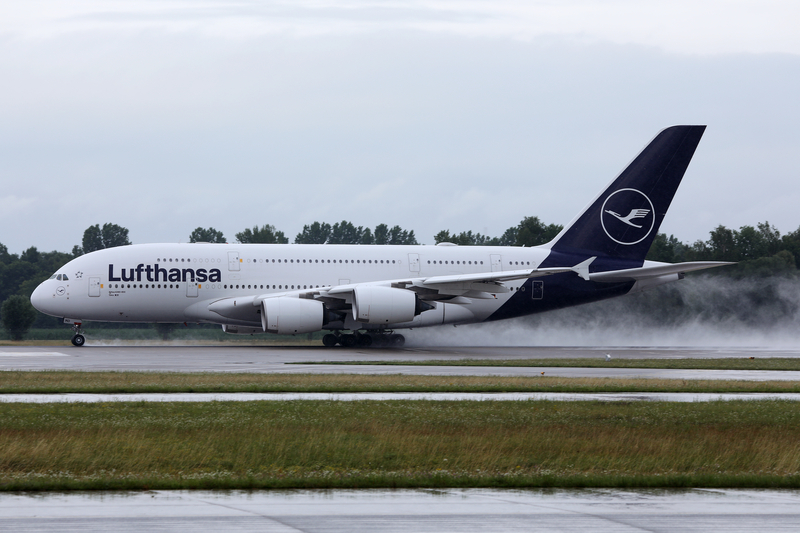
That matters because the usefulness of a stopover product often depends less on the concept than on the friction. If it feels complicated, many passengers will ignore it. Lufthansa appears to understand that, which is why embedding it directly into the booking path is one of the strongest parts of the rollout.
The Current Focus Is Narrower Than Some Summaries Suggest
One point worth clarifying is that Lufthansa’s own public information does not currently frame the program as broadly as some outside summaries do.
The airline says stopovers are currently possible only in Munich and that eligible routes will display the option automatically when searched. That means the offering is real and bookable, but the universe of eligible origin-and-destination combinations is still curated rather than universal.
So while the program is clearly aimed at international travelers and is being discussed in connection with markets such as Singapore and the United States, Lufthansa’s own framing is route-eligibility based, not an open-ended “all long-haul itineraries via Munich” promise.
That distinction matters because it suggests the airline is testing and scaling the model carefully.
The Real Value Is In Ancillary Revenue And Destination Monetization
From Lufthansa’s perspective, the stopover is not just a customer-experience idea. It is also a merchandising platform.
Once the traveler opts into the stopover, Lufthansa can steer them toward partner offers tied to hotels, transportation, attractions, shopping, and other local services. That creates a broader revenue opportunity around the trip, even if the airline is not directly packaging every element into the airfare itself.
This is why stopover products have become more attractive to airlines again. They do not just increase engagement with the hub city. They also create more chances to monetize the passenger beyond the ticket.
In a market where margins are under pressure and airlines are increasingly focused on value-added products, that is strategically useful.
Munich Is A Logical Place To Start
If Lufthansa was going to launch a stopover concept, Munich Airport (MUC) was a very logical place to begin.
MUC is one of the group’s most passenger-friendly hubs, with strong premium positioning, relatively efficient transfer experience, and a city that is easy to market internationally. Munich also works well for the kind of traveler Lufthansa wants to attract with a stopover product: someone willing to add one to several days of leisure or mixed-purpose travel onto a longer international journey.
That makes the airport and city combination especially suitable for this kind of rollout. Not every hub can sell itself equally well as an add-on destination. Munich can.
This Is Also A Competitive Product Move
The stopover launch should also be viewed through a competitive lens.
Global hubs are increasingly fighting not just on price and schedules, but on how attractive the overall connecting experience feels. A stopover offer lets Lufthansa tell passengers that choosing Munich over another hub is not merely efficient — it can also be rewarding and flexible.
That is especially relevant in long-haul traffic, where travelers may be comparing one-stop options across multiple alliance and hub combinations. If Lufthansa can turn the layover into something closer to a mini vacation, that can become a small but useful point of differentiation.
The Expansion Potential Is Real
Lufthansa has indicated that the concept could expand to other routes and hubs across the Lufthansa Group over time.
That is significant because it suggests the airline sees stopovers not as a one-off marketing campaign, but as a template it may be able to replicate elsewhere. If the model works in Munich, it is not hard to imagine future versions tied to other major group gateways, particularly where the destination city has strong tourism or premium appeal.
For now, though, Munich is the test case. And it is the right one.
Bottom Line
Lufthansa’s new Munich stopover program is more than a travel perk. It is a smart way to make a hub more valuable, create new ancillary revenue opportunities, and give passengers a reason to see Munich Airport (MUC) as more than just a connection point.
The concept is currently limited to eligible routes and only available in Munich, but it is built directly into the booking process and already points toward a broader Lufthansa Group strategy. In that sense, the move is not just about layovers. It is about turning the hub itself into part of the product.
Keep reading FlyMag
Get the Daily Brief in the morning or the Route Watch weekly recap on Fridays. Or both.