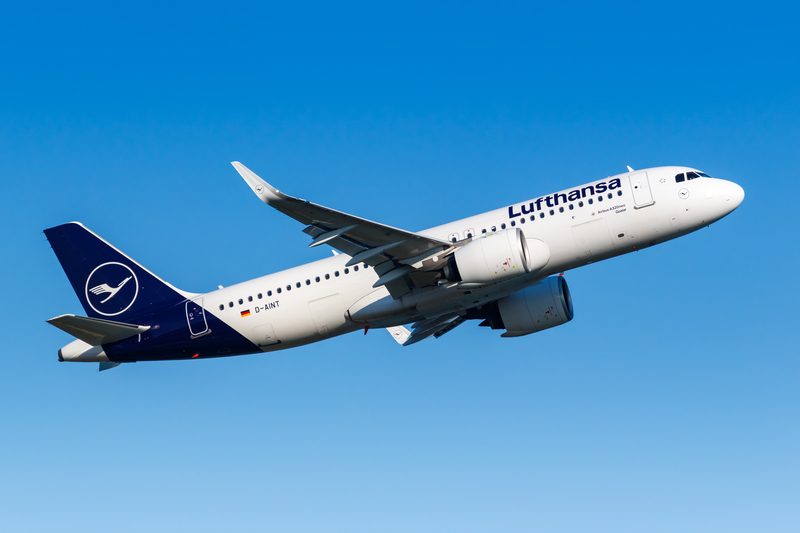
Lufthansa is expanding deeper into Northern Europe for winter 2026/27, and the most telling addition is a brand-new nonstop route between Munich Airport (MUC) and Rovaniemi Airport (RVN).

The service begins on December 4, 2026 and will operate twice weekly, on Fridays and Sundays, using the Airbus A320neo. On the surface, it is another winter seasonal launch to Lapland. In reality, it says something much bigger about how Arctic Europe is changing in airline planning.
What was once a specialist winter niche is now becoming a much more structured part of major European network design.
Read our stories in your inbox
Two aviation newsletters. Zero fluff.
Rovaniemi Is No Longer Just A Holiday Curiosity
Rovaniemi (RVN) has evolved from a seasonal novelty market into one of the most recognizable winter destinations in Northern Europe.
That shift matters because airlines are no longer treating Finnish Lapland as a once-a-week charter-style add-on. They are building proper scheduled service into the market, often from large hubs with real connecting relevance. Lufthansa’s decision to add Munich (MUC)–Rovaniemi (RVN) fits that trend perfectly.
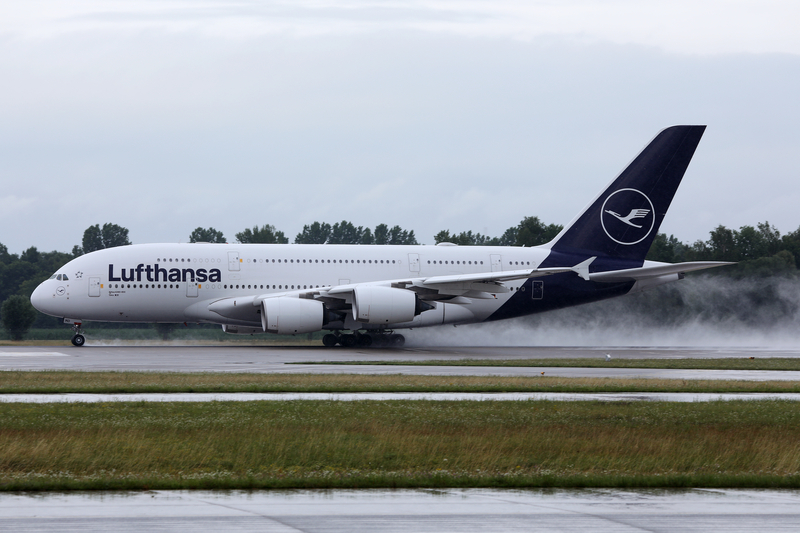
Munich gives Lufthansa a strong southern German and Central European catchment, as well as onward connectivity beyond Germany. That makes the route more useful than a simple point-to-point leisure service. It can pull traffic from a much wider geography and channel it into Lapland during the peak winter season.
For an airline like Lufthansa, that is exactly the kind of route that becomes attractive once demand is deep enough and predictable enough.
The A320neo Is The Right Aircraft For This Kind Of Market
Lufthansa’s use of the Airbus A320neo is a revealing detail.
This is not a small regional experiment. The A320neo gives the carrier meaningful seat capacity, good short- to medium-haul economics, and a quieter, more efficient platform for a route that is still fundamentally seasonal but clearly expected to perform at scale. The aircraft choice suggests Lufthansa sees enough demand to support a mainline narrowbody rather than treating RVN as a marginal outstation.
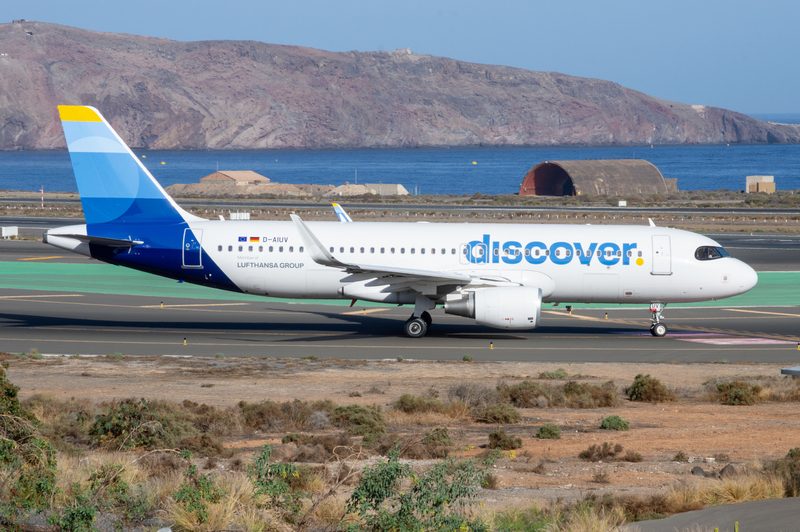
That is one of the clearest signs of how far Lapland flying has moved into the mainstream.
Tromsø Is Also Getting Stronger
Rovaniemi may be the headline-grabber, but it is not the only beneficiary of Lufthansa’s Arctic push.
The airline is also increasing frequencies on its Frankfurt Airport (FRA)–Tromsø Airport (TOS) and Munich Airport (MUC)–Tromsø (TOS) routes. That matters because Tromsø has become one of the standout success stories in European winter aviation. It is no longer just a northern Norway outpost with seasonal appeal. It is increasingly functioning as a genuine high-demand leisure destination, helped by northern lights tourism, winter activities, and a growing international profile.
From a network perspective, Lufthansa’s move suggests the carrier sees Tromsø not as an experiment, but as a market worth thickening.
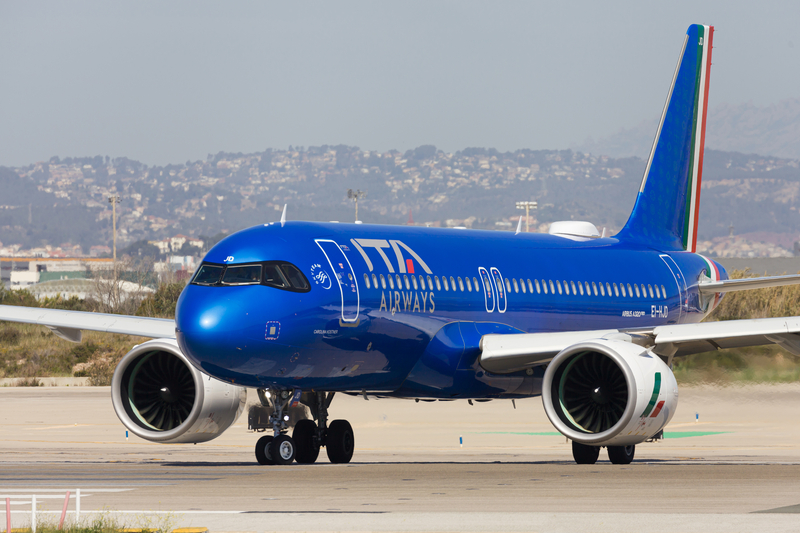
Lufthansa Group Is Going Bigger Than Lufthansa Alone
The wider Lufthansa Group picture is even more striking.
Across Lufthansa, Austrian Airlines, Eurowings, Edelweiss, and Discover Airlines, the group plans to operate up to 69 weekly flights to nine airports in the Arctic Circle region during winter 2026/27. That is a substantial amount of capacity for a part of Europe that was once treated as peripheral in mainstream network planning.
This is the broader context that matters most. The new Munich (MUC)–Rovaniemi (RVN) service is not a one-off. It is part of a much wider group-level bet that Arctic and Nordic winter markets can support increasing levels of scheduled demand.
Seasonal Additions Show Confidence In Lapland Demand
Lufthansa is also planning additional seasonal flying between February and March 2027 to Rovaniemi (RVN), Kuusamo (KAO), and Kittilä (KTT).
That is important because those late-winter additions show the airline is not focusing only on the Christmas peak. It is looking at a broader winter demand window. That suggests greater confidence in sustained leisure interest throughout the season, not just around year-end holiday travel.
For aviation readers, this is often where the real story lies. Airlines can always add a highly visible holiday route for December. Extending and deepening Arctic flying beyond the obvious peak is what shows real market conviction.
The Arctic Is Becoming A Defined Network Region
What Lufthansa is doing here reflects a wider industry change.
Nordic and Arctic destinations are increasingly being treated less like occasional specialty markets and more like a coherent region for winter scheduling. That is especially true for places like Rovaniemi (RVN), Tromsø (TOS), Kittilä (KTT), and Kuusamo (KAO), which now sit firmly on the radar of major European carriers.
The result is a more structured winter network, where airlines are building capacity around experience-driven leisure demand in much the same way they have long done for Mediterranean summer markets.
That does not mean the Arctic is becoming mass-market in the traditional sense. But it does mean it has moved well beyond niche status.
Bottom Line
Lufthansa’s new Munich (MUC)–Rovaniemi (RVN) route, starting December 4, 2026 with twice-weekly Airbus A320neo service, is a notable addition on its own. But the bigger significance lies in the wider pattern.
The airline is also increasing flights to Tromsø (TOS) from both Frankfurt (FRA) and Munich (MUC), while adding extra seasonal capacity to Rovaniemi, Kuusamo (KAO), and Kittilä (KTT). Across the wider Lufthansa Group, up to 69 weekly flights will serve nine Arctic Circle airports in winter 2026/27.
For aviation professionals, that is the real takeaway. Lufthansa is not just adding one new route to Lapland. It is leaning into a broader shift in European travel demand, where Arctic destinations are becoming an increasingly important part of the winter network.
Keep reading FlyMag
Get the Daily Brief in the morning or the Route Watch weekly recap on Fridays. Or both.