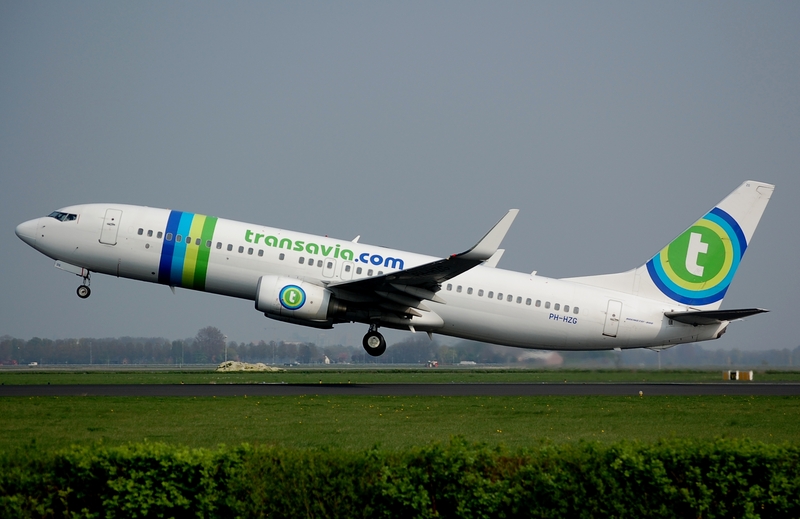
Transavia is facing scrutiny after an overbooking incident on flight HV6134 from Hurghada International Airport (HRG) to Amsterdam Schiphol Airport (AMS) reportedly resulted in a woman and a young girl traveling in cockpit jumpseats for the entire flight.

If the reported account is accurate, the case is notable not because jumpseats exist — they do, and they are part of normal cockpit design — but because of who reportedly occupied them and why. This was not a deadheading crew member, an inspector, or an operational employee. It was reportedly a response to an oversold cabin.
That is what makes the incident so unusual.
Read our stories in your inbox
Two aviation newsletters. Zero fluff.
The Core Issue Is Not The Jumpseat Itself
Jumpseats are not inherently controversial.
On commercial aircraft such as the Airbus A321neo, they are there for operational reasons, mainly for extra crew or other authorized personnel. In regulatory terms, cockpit occupancy is not always limited strictly to the two pilots. There can be exceptions under an airline’s approved operations manual and under applicable safety rules.
But that does not mean the cockpit can be used casually as overflow seating.
That is the line this incident appears to have crossed, or at the very least approached uncomfortably. If two non-crew passengers were placed in flight deck jumpseats because the cabin was oversold, then the cockpit was effectively used as a commercial seating solution. That is where the story stops being quirky and starts becoming a serious question of judgment.
Why The Case Has Triggered Such Strong Reaction
The strongest reaction has centered on one obvious point: post-9/11 cockpit access norms exist for a reason.
Even where regulations may permit limited and tightly controlled non-crew access, the cockpit is not supposed to function as an extension of the passenger cabin. The issue is not only security in the narrow sense. It is also distraction management, access control, crew authority, sterile-flight discipline, and the symbolic seriousness of the flight deck environment.
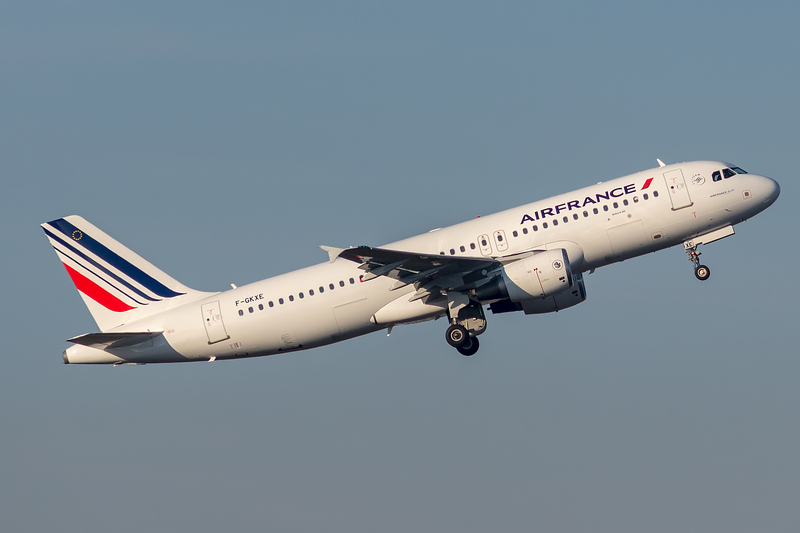
Air France A320 Diverts To Amsterdam After Smoke Smell Triggers Precautionary Landing
That is why this story resonates far beyond one overbooked flight from HRG to AMS. It touches a cultural boundary in commercial aviation that passengers and professionals alike assume is rigid.
The Overbooking Angle Makes It Worse
Airlines deal with overbooking all the time.
There are well-established rules for it, especially in Europe, where denied boarding compensation and passenger-rights obligations are clearly defined. Those rules can be inconvenient and expensive for carriers, but they are also the accepted framework for handling exactly this kind of problem.
That is why the suggestion that cockpit jumpseats may have been used to avoid denying boarding is so awkward. Even if the decision was technically defensible under a narrow interpretation of operational discretion, it would still look like the wrong solution to the wrong problem.
Overbooking is a commercial issue. The cockpit is not supposed to be the answer to commercial issues.
The Regulator’s Response Is Telling
The Dutch transport and environment inspectorate has reportedly described the situation as “undesirable” and says it raised concerns with the airline, though current reporting suggests there is no formal investigation under way at this stage.
That wording is important.
“Undesirable” is not the same as explicitly unlawful. It suggests the regulator may see this as a judgment and policy problem rather than a straightforward black-and-white violation on the face of the available facts. That nuance matters because European aviation rules can allow some discretion around cockpit access if it is authorized through the airline’s approved manuals and procedures.
But the fact that the authority felt compelled to signal discomfort at all tells you plenty. Even if the letter of the rules may not be simple, the optics and safety culture implications are clearly poor.
Transavia’s Internal Review Is Probably The More Important Development
Transavia has reportedly started its own internal review and indicated it will adjust policy.
That may end up being the most meaningful outcome of the case.
Aviation often learns most effectively from incidents that sit in the grey zone — not obvious crashes or clear legal breaches, but situations where operational flexibility appears to have drifted into something the industry collectively feels should not become normal. This looks like one of those moments.
If the airline responds by tightening cockpit-access policy and clarifying that non-crew passenger use of jumpseats is not an acceptable solution to overbooking, then the case may ultimately be remembered less as a scandal and more as a boundary-setting event.
The Real Lesson Is About Operational Culture
For aviation readers, the biggest issue here is not whether a cockpit jumpseat can technically hold a passenger.
It is whether an airline should ever allow commercial pressure to influence decisions about the flight deck environment.
That is where this story lands hardest. Once the cockpit starts being used to solve cabin-management problems, even in an isolated case, the industry risks eroding the very cultural separation that modern aviation has worked hard to reinforce.
That is why the incident matters. Not because it necessarily created immediate danger on that specific flight, but because it blurred a line that most airlines work hard to keep sharp.
Bottom Line
The reported Transavia overbooking incident on flight HV6134 from Hurghada (HRG) to Amsterdam (AMS) is unusual because it appears to have placed two non-crew passengers in cockpit jumpseats for the full flight as a response to excess demand in the cabin.
Whether or not the arrangement was technically possible under some operational provision, it has clearly raised wider concerns about cockpit access, commercial pressure, and flight deck norms. The Dutch regulator has already called the situation undesirable, and Transavia’s own decision to review and adjust policy suggests the airline recognizes the sensitivity of what happened.
For aviation professionals, that is the key point. The cockpit is not just another space onboard an aircraft. And when it starts being treated as one, even briefly, the industry notices.