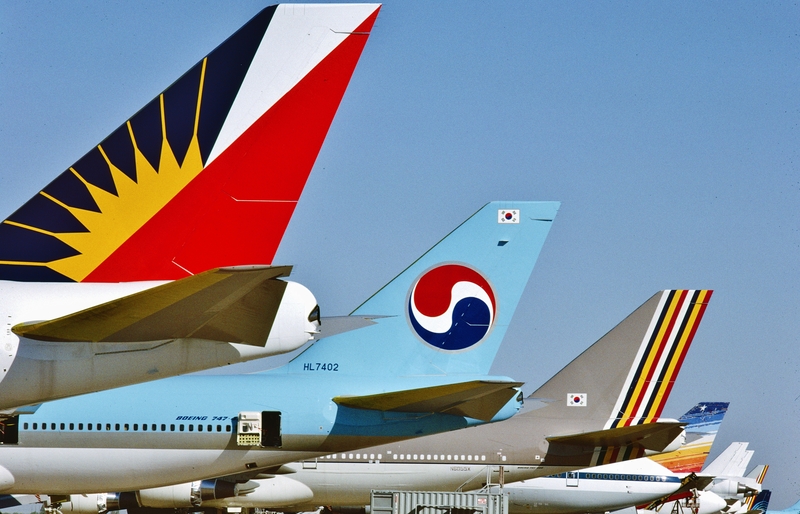
Korean Air and Asiana have now set December 17, 2026 as the date when the Asiana brand will effectively disappear and the two airlines will operate as one.

That matters because the merger may have closed financially in December 2024, but operationally and commercially the two carriers have still felt separate for many travelers. The December 2026 date is the point at which that changes in a visible way. For passengers, it means the end of the Asiana name. For the industry, it marks the true completion of one of the most complex and politically sensitive airline integrations in Asia.
For aviation readers, the key point is simple: the ownership deal happened before, but the real airline merger happens here.
Read our stories in your inbox
Two aviation newsletters. Zero fluff.
December 17, 2026 Is The Day The Asiana Brand Ends
The most important development is that Korean Air and Asiana have approved a merger timetable under which the Asiana Airlines brand will cease on December 17, 2026.
That gives the market its clearest milestone yet. Up to now, the integration has felt lengthy and in some ways incomplete because customers could still book, fly, and earn loyalty in ways that preserved Asiana as a distinct airline identity. Once the December 2026 transition arrives, that distinction ends.
In practical terms, this is the date that turns a holding-company acquisition into a single branded airline reality.
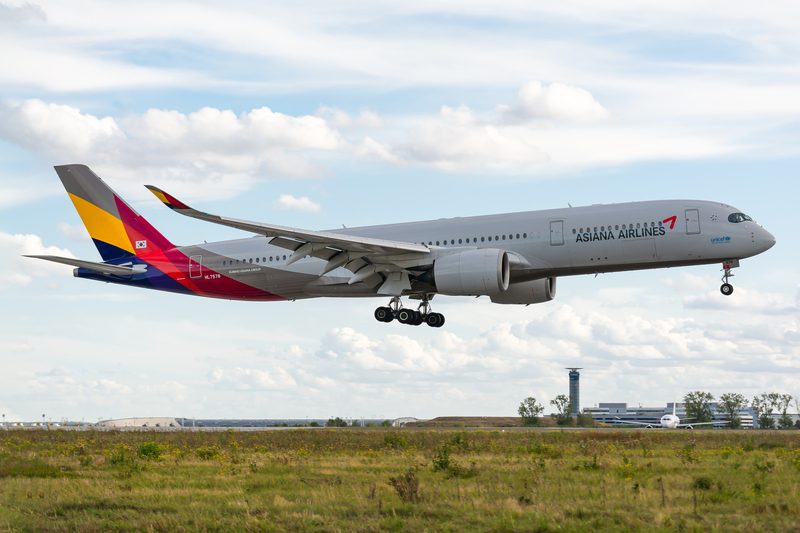
This Is More Than A Paint Job
The disappearance of the Asiana name is not just about logos and liveries.
It means the integration of key customer-facing and back-end systems will move decisively toward Korean Air’s platform. That includes branding, scheduling coordination, fleet planning, commercial systems, and the broader simplification of how the combined group presents itself to the market.
That matters because mergers are only partly about ownership. They become real when the customer experience, flight planning, and organizational structure all stop reflecting two legacy airlines and begin reflecting one.
Star Alliance Loses Asiana, SkyTeam Gains More Reach
One of the most significant alliance consequences is obvious.
Asiana will no longer exist as a separate Star Alliance airline. Its operation will instead be absorbed under Korean Air, which is part of SkyTeam. For alliance travelers, that means the integration is not just a Korean domestic story. It is a major reshuffling of loyalty, partnerships, and transpacific connectivity.
Travelers who preferred Asiana because it sat inside the Star ecosystem are likely to see this as a loss. Travelers aligned with Korean Air, SkyTeam, and especially Delta’s partnership structure will see the opposite.
That alliance effect is one reason the merger matters well beyond South Korea.
The Delta Angle Is Quietly One Of The Biggest Implications
The single most commercially important external consequence may be for Delta Air Lines.
Korean Air and Delta already have a powerful transpacific joint venture. Once Asiana’s long-haul network is absorbed into Korean Air’s structure, former Asiana flying effectively strengthens that wider Delta–Korean Air position across the Pacific. That has competitive implications not just for U.S.–Korea traffic, but for the wider Northeast Asia market.
This is one reason the merger matters so much. It does not just reduce South Korea from two major full-service global airlines to one. It also reinforces one of the strongest transpacific airline partnerships already in existence.
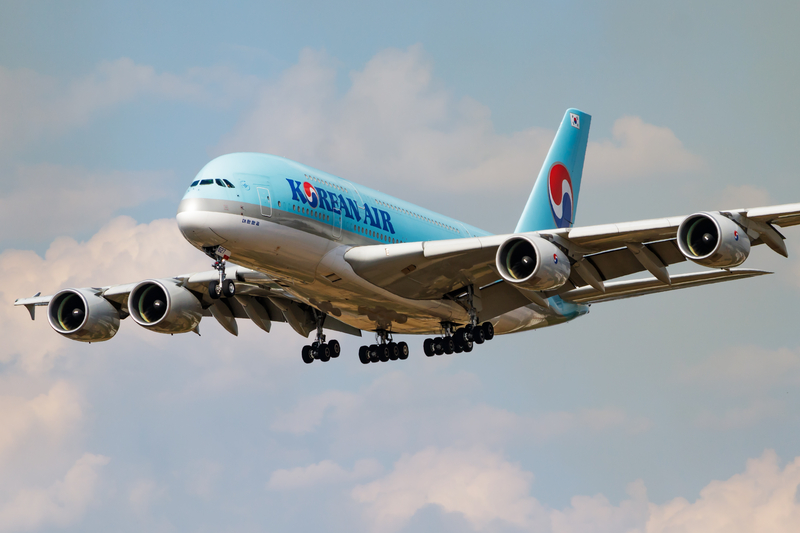
The Merger Has Taken An Extremely Long Time
Part of what makes this news notable is how delayed and drawn-out the whole process has been.
Korean Air first announced plans to acquire Asiana in November 2020. The deal finally closed in December 2024. Even after that, the two airlines continued to operate largely separately in public-facing terms. Now, with the December 2026 integration date, the industry is looking at a process that stretches to roughly six years from announcement to full operational merger.
That is unusually long by airline-merger standards, but it reflects how sensitive the combination has always been from a regulatory and competition standpoint.
South Korea Is The Market Most Changed By This
The deepest competitive consequences remain in South Korea itself.
For years, the country had two major full-service international airlines, each with different alliance affiliations, network strengths, and customer loyalties. Once the integration is complete, that dual-flag-carrier structure ends. That is a major shift for consumers, corporate buyers, and the wider airport ecosystem around Seoul Incheon (ICN).
Yes, lower-cost competitors such as T’way are growing, and other airlines may benefit in selected markets. But the central fact remains: South Korea’s premium full-service international market is consolidating into one dominant airline group.
The Low-Cost Side Has Its Own Consolidation Story Too
Although the headline is about Korean Air and Asiana mainline, the merger has broader implications for affiliated low-cost brands as well.
The integration process has already pointed toward simplification on that side of the market too, with Korean Air’s group structure moving toward fewer overlapping airline brands overall. That matters because airline consolidation is rarely complete if it stops at the premium long-haul end. The pressure to rationalize spreads across the whole portfolio.
So while the mainline integration date is the most visible milestone, it is not the only brand consequence of the merger.
Bottom Line
Asiana’s brand now has a real end date: December 17, 2026. That is when Korean Air and Asiana are expected to complete the integration that turns a long-finished acquisition into a true one-airline operation.
For travelers, it means the end of the Asiana name, the end of its independent Star Alliance role, and the full absorption of its network into Korean Air’s structure. For the industry, it marks the closing phase of one of the most consequential airline mergers in Asia — and one that will keep reshaping transpacific competition long after the logos are changed.
Keep reading FlyMag
Get the Daily Brief in the morning or the Route Watch weekly recap on Fridays. Or both.