SWISS is extending its suspension of flights to Tel Aviv Ben Gurion Airport (TLV) through April 9, while at the same time adding short-term capacity between Zurich Airport (ZRH) and Delhi Indira Gandhi International Airport (DEL). Taken together, the two moves show exactly how European airlines are now managing the Middle East crisis: reduce exposure where operational risk remains high, and quickly redeploy aircraft to markets where demand is spilling over.

That makes this more than a routine schedule update. It is a small but revealing example of how network planning changes in real time during geopolitical disruption.
Tel Aviv Remains Off The Board For Longer
The Tel Aviv extension is the more straightforward part of the story.
Read our stories in your inbox
Two aviation newsletters. Zero fluff.
SWISS, in line with the wider Lufthansa Group approach, is keeping Zurich (ZRH)–Tel Aviv (TLV) suspended through April 9 because of the continuing air traffic restrictions and security concerns tied to the conflict in the region. For passengers, the policy is familiar by now: rebooking or refunds are being offered, while the airline continues to review conditions in coordination with official guidance.
What matters operationally is that this is no longer being treated as a short-lived interruption. Extending to April 9 pushes the suspension well beyond the sort of rolling two- or three-day cancellation window airlines sometimes use at the start of a crisis. It signals that SWISS and Lufthansa Group still do not see enough stability to commit to near-term restoration.

For an airline like SWISS, Tel Aviv is an important market, but not one worth reopening prematurely if airspace access, insurance assumptions, or operational predictability remain in doubt.
Delhi Is Benefiting From The Same Crisis
The more interesting move is what SWISS is doing with the capacity.
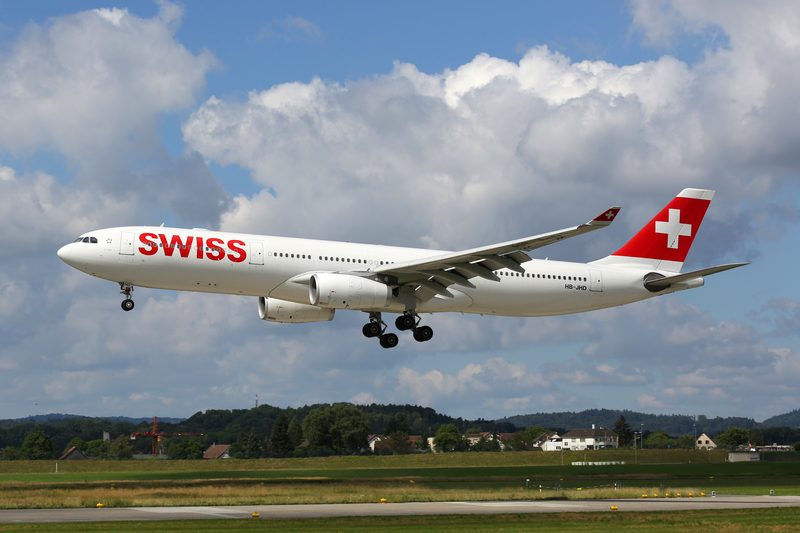
Between March 19 and March 24, the airline is adding a second daily Zurich (ZRH)–Delhi (DEL) rotation using the Airbus A330. That is a clear tactical redeployment. SWISS says demand on the Delhi route has surged and that existing flights are already operating close to full.
That makes sense in the current environment.
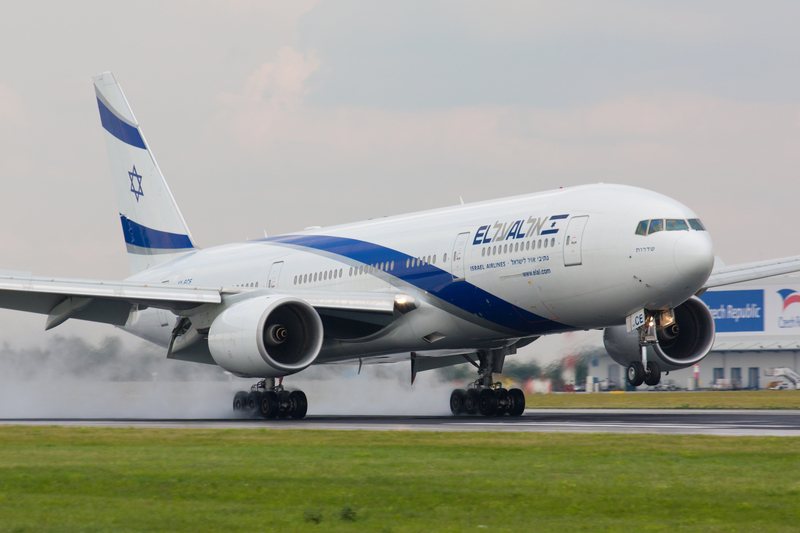
When the Middle East becomes harder to route through, Europe–Asia demand does not disappear. It shifts. Some passengers reroute away from Middle Eastern hubs. Some rebook onto airlines that can still offer stable one-stop or nonstop alternatives. Others simply choose carriers and itineraries that look less exposed to sudden Gulf-related disruption. Delhi is one of the markets where that rerouting pressure can show up quickly.
For SWISS, the answer is not abstract. It is to add metal where the bookings are strongest.
This Is Exactly What Airlines Mean By Network Flexibility
The pairing of these two decisions is what makes the story worth attention.
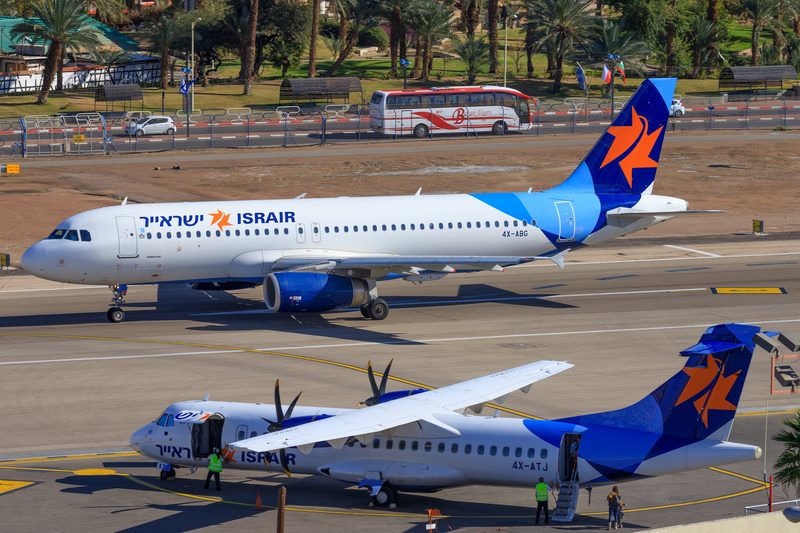
Airlines often talk about flexibility, but this is what it looks like in practice. A carrier removes capacity from a high-risk market such as Tel Aviv (TLV), then places additional flying into a safer, high-demand market such as Delhi (DEL), where the aircraft can earn better revenue and operate with fewer geopolitical complications.
That is especially relevant for SWISS because it is not a giant airline with unlimited spare fleet depth. Every long-haul aircraft hour has to be used carefully. If one market is closed or commercially impaired, management has to find somewhere else that capacity can work.
Delhi is a logical answer. It is a major India–Europe market, it benefits from strong point-to-point and onward demand, and it sits outside the immediate conflict zone while still capturing some of the displacement effects from the wider regional disruption.
The Airbus A330 Is A Practical Choice Here
The aircraft assignment also tells its own story.
Using the Airbus A330 for the extra Zurich (ZRH)–Delhi (DEL) sectors is a measured and sensible choice. The A330 remains a strong platform for medium- to long-haul markets that need meaningful widebody capacity but do not require SWISS to commit one of its larger flagship aircraft unnecessarily. It gives the airline enough seats, premium cabin depth, and cargo capability to capitalize on a short spike in demand without overcomplicating fleet deployment.
That is the sort of move network planners like because it solves several problems at once: absorb extra passengers, preserve yields, and keep the aircraft on a route where operational reliability is easier to maintain than in the disrupted Middle East corridor.
The Broader Pattern Is Clear Across Europe
SWISS is not acting in isolation here.
Across Europe, major airline groups have been trimming or suspending service to affected Middle East points, extending those suspensions as needed, and quietly strengthening routes that benefit from redirected traffic. That is one reason this SWISS adjustment matters even though it involves just one suspended destination and a handful of extra Delhi flights. It reflects a larger pattern in how the continent’s network carriers are managing the crisis.
The lesson is simple: when a politically sensitive market becomes unstable, airlines do not just cancel. They redeploy.
And when that redeployment goes toward a route like Delhi, it usually means the carrier sees real near-term revenue opportunity rather than simply a place to park capacity.
Bottom Line
SWISS is extending its Zurich (ZRH)–Tel Aviv (TLV) suspension through April 9 while adding a second daily Zurich–Delhi (DEL) Airbus A330 service from March 19 to March 24.
Those two moves say a lot about the current market. SWISS is continuing to cut exposure where the Middle East remains operationally uncertain, while shifting capacity toward a route where displaced demand is strong and where the airline can deploy widebody capacity more productively.
For aviation readers, that is the real takeaway. This is not just a cancellation and a temporary extra flight. It is a compact example of how European airlines are redrawing their networks in response to the conflict.
Keep reading FlyMag
Get the Daily Brief in the morning or the Route Watch weekly recap on Fridays. Or both.