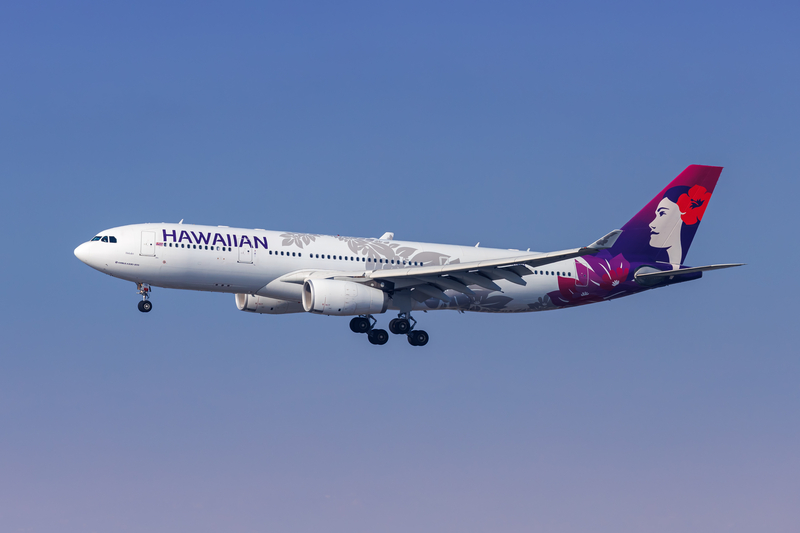
Hawaiian Airlines has officially joined the oneworld alliance, a major shift for the Honolulu-based carrier and one that substantially changes how travelers can use the airline far beyond the islands.

For Hawaiian, this is a milestone decades in the making. The carrier had never previously been part of a global airline alliance, despite being one of the most recognized brands in Pacific aviation. Now, by entering oneworld, Hawaiian becomes part of a network that stretches across nearly 1,000 destinations worldwide and gives Hawai‘i a much more seamless link into major international traffic flows.
For travelers, the immediate appeal is obvious. For the airline itself, the move is even bigger. It changes Hawaiian from a well-known standalone carrier into a much more connected player inside a global alliance system.
Read our stories in your inbox
Two aviation newsletters. Zero fluff.
This Is A Bigger Step Than A Typical Alliance Entry
Not every alliance membership changes an airline equally.
In Hawaiian’s case, the shift is especially important because the carrier’s geographic position has always made partnerships valuable but complex. Hawai‘i is both a destination and a connecting point, but Hawaiian historically operated with a more fragmented set of bilateral relationships rather than the full framework of a global alliance.
Joining oneworld changes that. It gives Hawaiian access to a much broader commercial ecosystem, while also making the islands easier to reach for customers of alliance carriers across North America, Asia-Pacific, and beyond.
That matters because Hawaiian is not just gaining prestige. It is gaining relevance in global itinerary planning.
The Alaska Link Is What Made This Possible
Hawaiian’s alliance entry also has to be viewed through the lens of Alaska Air Group.
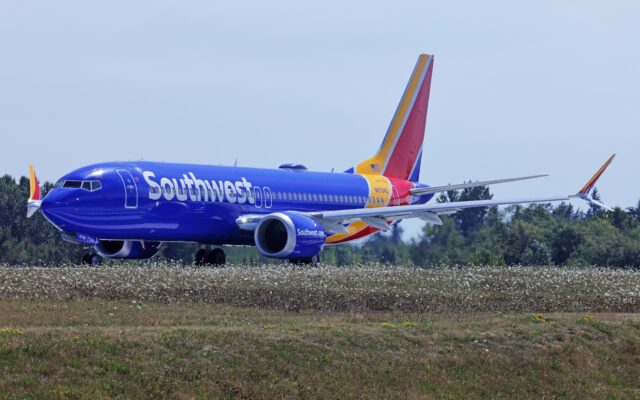
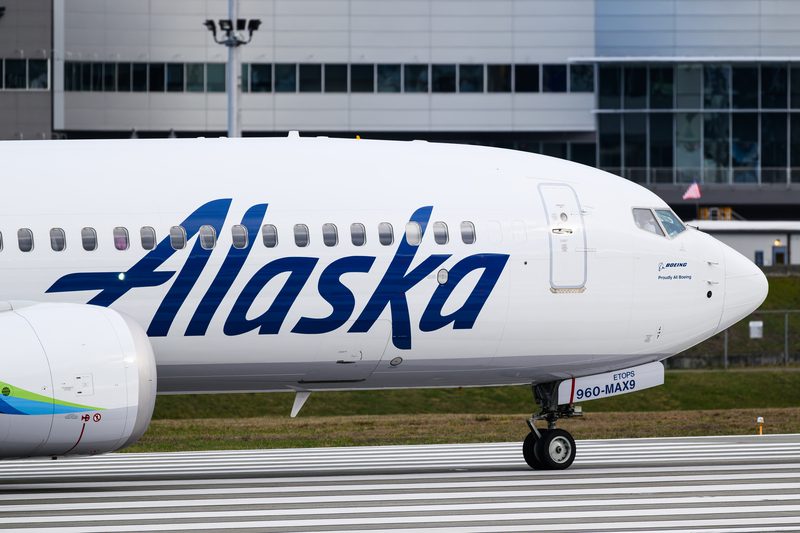
Since Alaska Airlines joined oneworld in 2021, the logic of bringing Hawaiian into the same alliance has become increasingly strong. Once the two carriers came under the same corporate umbrella, the strategic case became straightforward: if Alaska was building a global partnership platform through oneworld, Hawaiian could become the Pacific complement to that strategy.
That is exactly what this move now does.
It allows Alaska Air Group to present a much broader international proposition, with Alaska’s West Coast network and Hawaiian’s Pacific strength feeding into the same alliance structure. That creates more coherence for the group and more utility for travelers.
Loyalty Integration Is One Of The Most Important Changes
One of the biggest practical changes is on the loyalty side.
Hawaiian’s participation means members of the shared Alaska-Hawaiian loyalty program, Atmos Rewards, can now earn and redeem across oneworld carriers with much more consistency. Elite benefits also become more meaningful, with reciprocal access to priority check-in, lounge access, preferred boarding, and extra baggage allowances depending on status tier and itinerary.
For frequent flyers in Hawai‘i, this is a substantial improvement.
Historically, Hawaiian had strong brand loyalty but less global alliance reach than many competitors. That often meant passengers had to choose between flying the hometown carrier and maximizing global frequent-flyer value. oneworld membership narrows that gap dramatically.
Honolulu Becomes More Valuable As A Global Hub
The alliance move also boosts the strategic value of Daniel K. Inouye International Airport (HNL).
Honolulu has always been important in Pacific aviation, but alliance membership increases its role as a branded gateway inside a larger worldwide network. That matters because hubs are not defined only by traffic volume. They are also defined by how well they integrate into global booking, loyalty, and connection systems.
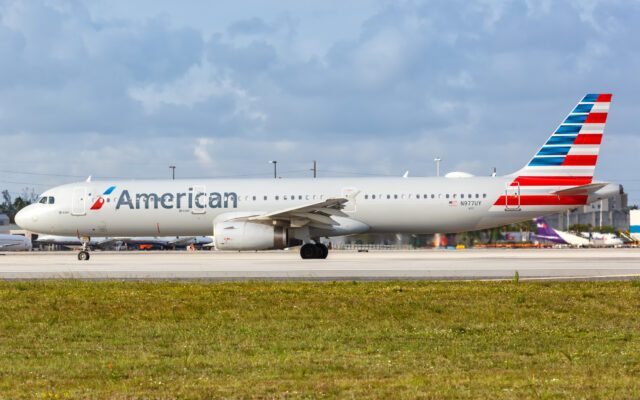
By entering oneworld, Hawaiian effectively gives the alliance a much stronger Hawai‘i platform while making Honolulu more useful to international travelers who already fly carriers such as American Airlines, Japan Airlines, Qantas, British Airways, Cathay Pacific, and Qatar Airways.
That does not instantly turn HNL into a mega-connecting hub. But it does make it more meaningful within global alliance logic.
The Passenger Benefits Extend Well Beyond Hawai‘i Residents
It is easy to frame this story as mostly beneficial for Hawai‘i residents, and it certainly is. But inbound traffic may benefit just as much.
Travelers from across the oneworld system now have a simpler and more rewarding path onto Hawaiian-operated flights, whether they are heading to Honolulu, Kahului Airport (OGG), Lihue Airport (LIH), Kona International Airport (KOA), or beyond. That should help Hawaiian integrate more naturally into international itineraries, particularly for visitors from Asia-Pacific and North America who are already loyal to alliance airlines.
For a destination market such as Hawai‘i, that is commercially important. Alliance visibility and loyalty relevance can help influence booking decisions long before the passenger ever reaches the islands.
This Also Sharpens Competition In The U.S. Market
There is a broader competitive angle too.
With Hawaiian now inside oneworld alongside Alaska, the combined group has a much stronger international platform than either carrier could offer alone. That enhances competition against larger U.S. airline groups, especially in Pacific and West Coast markets where network relevance, loyalty strength, and connecting value matter heavily.
In other words, this is not just a Hawaiian Airlines story. It is also a competitive-strategy story for Alaska Air Group.
A stronger alliance position gives the group more leverage with international partners, more appeal for premium and frequent travelers, and a clearer place in the global market.
The A330 Livery Plan Shows Hawaiian Wants To Signal The Change Visibly
The planned oneworld-themed Airbus A330 livery may seem like a smaller detail, but it is actually telling.
Alliance liveries are not just decorative. They are a public signal that a carrier wants passengers, partners, and airports to recognize its place inside a larger global system. For Hawaiian, putting an A330 into alliance colors is a way of visibly marking a new chapter in its identity.
That matters because Hawaiian has always had a strong standalone brand. Entering oneworld does not erase that identity, but it does place it inside a larger framework. The livery will symbolize that balance.
This Is A Historic Step For Hawaiian
Hawaiian Airlines is nearing its centennial, and for most of its history it remained outside the major alliance structures that shaped global aviation in the last two decades.
That is what makes this moment particularly notable. The carrier is not just adding a few new perks or codeshare opportunities. It is making one of the biggest strategic shifts in its modern history.
For an airline so closely associated with place, service style, and regional identity, joining a global alliance is a major statement. It suggests Hawaiian sees its future not as a peripheral specialist carrier, but as a more integrated part of worldwide airline travel.
Bottom Line
Hawaiian Airlines joining oneworld is a major strategic upgrade for the carrier and a meaningful win for Hawai‘i’s global connectivity. It gives travelers in the islands far broader access to alliance benefits, makes Hawaiian a more useful partner for international passengers, and strengthens Alaska Air Group’s wider competitive position.
Most importantly, it changes Hawaiian’s role in the market. The airline is no longer just a respected standalone Pacific carrier. It is now part of a global alliance structure that makes Hawai‘i more connected, more visible, and more integrated into international travel than ever before.
Keep reading FlyMag
Get the Daily Brief in the morning or the Route Watch weekly recap on Fridays. Or both.