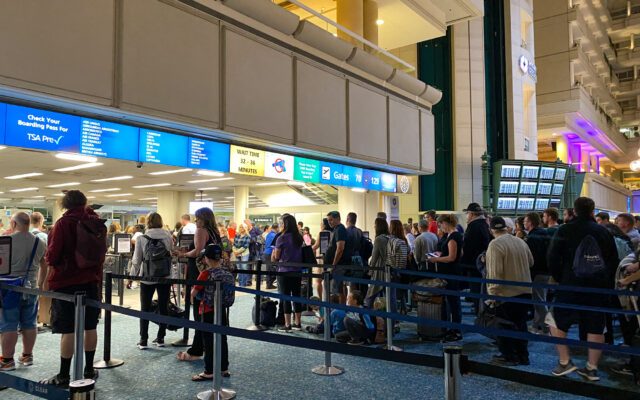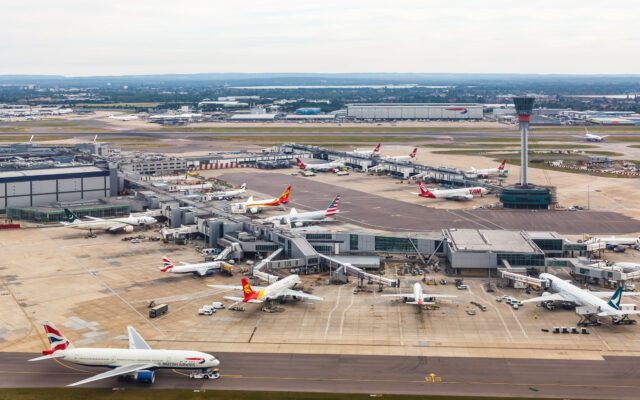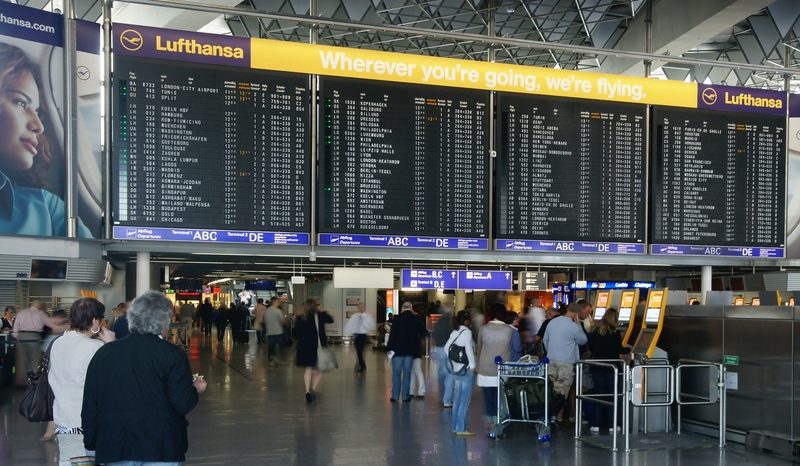
Fraport has officially inaugurated Terminal 3 at Frankfurt Airport (FRA), marking one of the most significant infrastructure milestones in European aviation in recent years and giving Germany’s largest hub a major new platform for future growth.
The opening is important not just because of the scale of the project, but because it arrives at a time when Frankfurt is trying to strengthen its role as a long-haul gateway while improving passenger handling, aircraft processing, and terminal efficiency. For FRA, Terminal 3 is not simply an additional building. It is a structural expansion of the airport’s operating model.
With regular operations beginning on April 23, Terminal 3 starts moving from a construction project into a live piece of airport infrastructure.
Read our stories in your inbox
Two aviation newsletters. Zero fluff.
Terminal 3 Enters Service In Phases
Although the terminal has now been formally inaugurated, the operational ramp-up is being staged rather than switched on all at once.
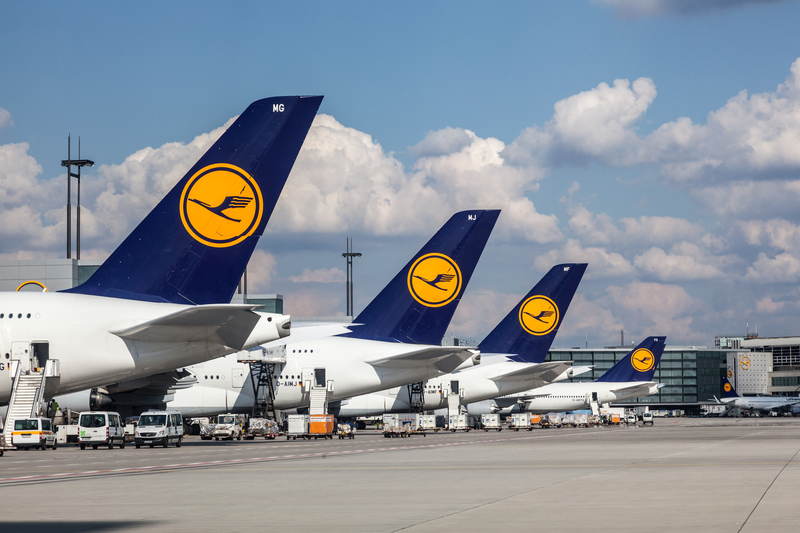
Fraport says 57 airlines will relocate to Terminal 3 in four waves running through early June. That phased move matters because a terminal of this size cannot be absorbed into a hub operation overnight without creating unnecessary risk. Airline systems, baggage flows, ground handling, wayfinding, staffing, and passenger communications all have to transition in a tightly coordinated sequence.
That is standard practice for a complex airport opening, but it also shows how consequential this shift is for Frankfurt Airport (FRA). Terminal 3 is not just taking a few flights. It is becoming a meaningful new home for a substantial part of the airport’s airline activity.
Condor’s Future Move Adds Another Strategic Layer
One of the most commercially important pieces of the transition is still to come.
Condor, the second-largest airline at Frankfurt Airport (FRA), is expected to move into Terminal 3 in 2027. That future relocation gives the terminal a much bigger long-term role than the initial opening wave alone suggests.
For Fraport, that matters because terminal strategy is not just about available square meters. It is also about where major airline partners are positioned inside the airport system. Bringing Condor into Terminal 3 will help anchor the building more firmly in Frankfurt’s overall network architecture and strengthen its importance beyond the opening phase.
The Project Is Massive By European Standards
Terminal 3 is one of Europe’s largest privately financed airport infrastructure projects, with an investment value of around €4 billion.
That number alone makes the opening notable, but the more important point is what the spending delivers. The new terminal is designed to handle up to 19 million passengers annually in its initial configuration, with expansion potential to roughly 25 million later on.
For Frankfurt Airport (FRA), that is a meaningful increase in throughput capacity. At a major intercontinental hub, added capacity is not only about absorbing more travelers. It is about improving flexibility, reducing bottlenecks, and giving the airport more room to manage peak flows efficiently. Those benefits can matter just as much as the headline passenger figure.
The Layout Is Designed Around Throughput And Passenger Flow
Fraport has emphasized that Terminal 3 is built to improve both efficiency and the passenger experience, and that dual objective is increasingly central to modern hub design.
The terminal includes automated baggage systems, CT security scanners, and a layout intended to shorten walking distances and reduce friction in passenger movement. It also includes a sizeable commercial offering, with 64 shops and restaurants planned.
For airport professionals, those details matter because terminal quality is no longer judged solely by architectural scale. A modern terminal has to move passengers quickly, process baggage reliably, support security throughput, and still create a commercially attractive environment. Terminal 3 appears designed around that balance.
In other words, FRA’s expansion is not just bigger. It is meant to be operationally smarter.
This Is A Capacity Story, But Also A Competitive Story
Frankfurt Airport (FRA) already sits among Europe’s most important hubs, but its competitive position depends on more than legacy status.
Large gateway airports are under constant pressure to improve passenger handling, maintain airline attractiveness, and preserve room for future growth. In that context, Terminal 3 gives Fraport a stronger hand. It expands physical capacity, improves flexibility in airline allocation, and reinforces Frankfurt’s standing as a major international connecting point.
That is especially important in an environment where European hubs continue to compete for network relevance, long-haul traffic, and premium passengers. Terminal infrastructure is not the only factor in that competition, but it is one of the most visible and consequential.
The Timing Matters
The fact that Fraport is bringing Terminal 3 into operation now is also significant from a strategic timing standpoint.
Frankfurt has seen passenger volumes continue rebuilding in the post-pandemic period, and the airport needs more room not just for demand today, but for the traffic patterns of the next decade. Bringing new terminal infrastructure online now gives FRA a better chance of accommodating future growth without overstraining the existing terminal system.
That is why the opening matters beyond ceremony. It is about where Frankfurt wants to be positioned as air traffic keeps developing across Europe and beyond.
Bottom Line
The opening of Terminal 3 is a major milestone for Frankfurt Airport (FRA) and for Fraport itself. It adds substantial new capacity, introduces more modern passenger-processing infrastructure, and gives the airport a stronger platform for long-term airline and traffic growth.
With operations beginning on April 23 and airline moves continuing through early June, Terminal 3 will not transform Frankfurt overnight. But it does represent a decisive new phase in the airport’s evolution, one that should shape how FRA grows, competes, and handles passengers for years to come.
Keep reading FlyMag
Get the Daily Brief in the morning or the Route Watch weekly recap on Fridays. Or both.