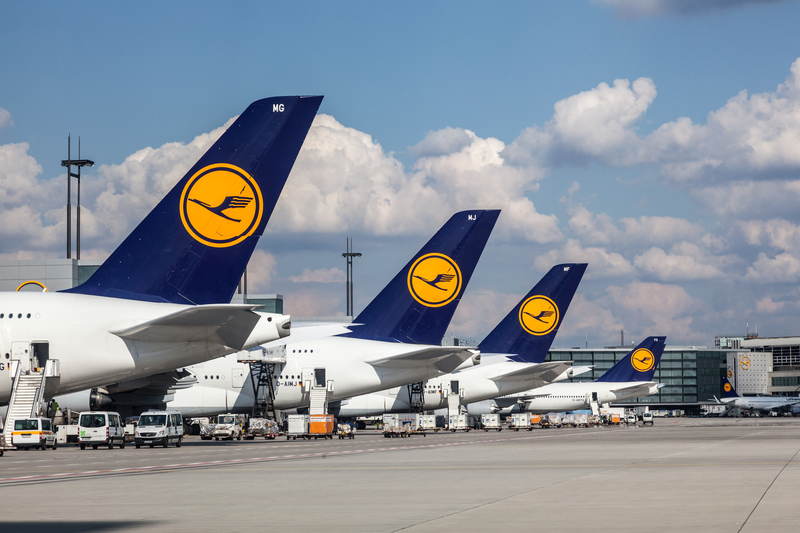
Lufthansa faced major disruption on April 10 after cabin crew union UFO staged a one-day strike that hit the airline’s core operation at Frankfurt Airport (FRA) and Munich Airport (MUC), while Lufthansa CityLine cabin crew also walked out at nine other German airports.

One important correction to the original draft is timing. The action did not run only from midday to late evening. It lasted from just after midnight until 10:00 p.m. local time, which meant disruption stretched across almost the entire operating day.
That matters because a strike window of that length does more than cancel a few peak departures. It disrupts aircraft rotations, crew positioning, and onward connections throughout the network, especially at FRA and MUC, where Lufthansa concentrates much of its long-haul and feeder traffic.
Read our stories in your inbox
Two aviation newsletters. Zero fluff.
Frankfurt and Munich Felt the Heaviest Impact
FRA and MUC were always going to be the centers of the disruption because they are Lufthansa’s two most important hubs. When cabin crew walk out there, the impact spreads well beyond Germany.
At Frankfurt alone, airport operator Fraport said about 580 flights were canceled during the strike, affecting roughly 72,000 passengers. Those figures covered all airlines operating at FRA rather than Lufthansa alone, but they still show the scale of disruption moving through the airport on the day.
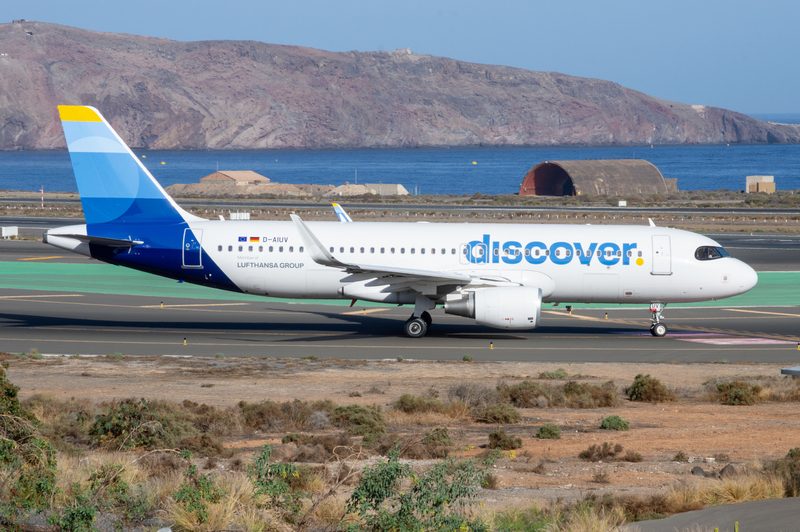
Munich was also heavily affected, though the broader significance is not just how many flights were canceled. It is that both of Lufthansa’s principal hubs were hit at the same time, which makes recovery slower and more operationally complex than a strike focused on only one base.
This Was Not Just a Pay Dispute
Another important correction is the cause of the dispute.
The walkout was not best described as a straightforward cabin-crew pay strike. Reuters reported that the conflict centers on working conditions for around 19,000 employees and on redundancy terms affecting about 800 CityLine staff, as Lufthansa prepares to wind down CityLine and shift more feeder flying to Lufthansa City Airlines.
That distinction matters because it changes the story. This is not simply a wage fight during a busy travel period. It is a structural labor dispute tied to how Lufthansa wants to reorganize part of its short-haul and feeder operation.
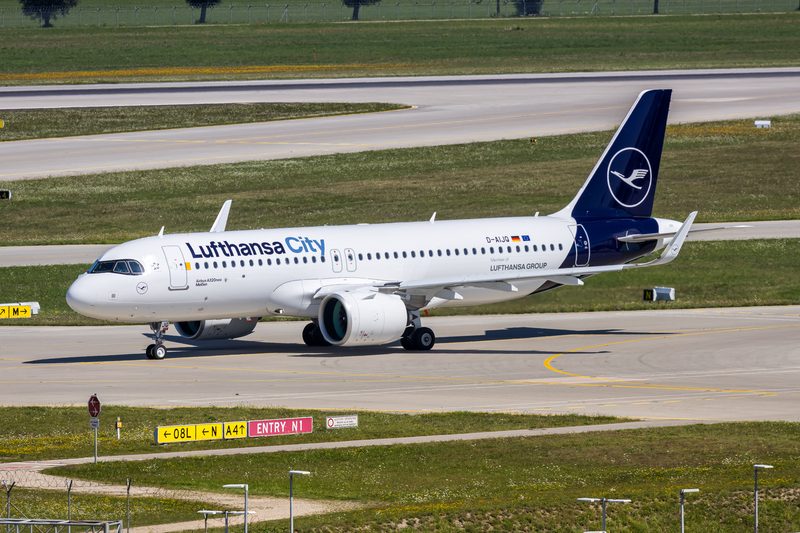
In other words, the strike is about the future shape of the airline as much as the current terms of employment.
Lufthansa Is Trying to Protect the Network, but the Strain Is Growing
Lufthansa said it was working intensively to reduce the impact by using other Lufthansa Group carriers and partner airlines where possible. It also told passengers to check flight status before traveling and offered rebooking or refunds for canceled services.
That approach can soften disruption, but only up to a point. A strike hitting mainline departures from FRA and MUC inevitably causes wider operational stress, especially when it comes on top of earlier labor action and at a time when spring and Easter-adjacent demand remain strong.
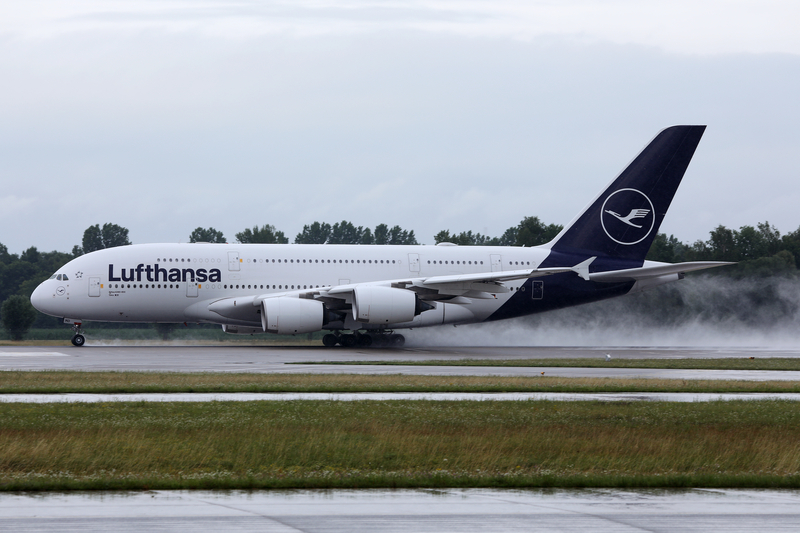
This is what makes the timing so damaging. The strike may have lasted only one day, but one day at the center of a hub-and-spoke airline can have consequences that linger into the next operating cycle.
The Broader Lufthansa Labor Story Is Getting More Serious
The April 10 action was already described as Lufthansa’s third major labor disruption in two months. And it now sits inside a still larger labor confrontation, because the pilots’ union Vereinigung Cockpit has since called another two-day strike for April 13 and 14.
That makes the cabin-crew strike more significant than an isolated event. It is part of a worsening labor climate inside Lufthansa, with different employee groups pushing back against management while the company continues to defend its restructuring plans.
For airline professionals, that is the real issue. Repeated one-day strikes are disruptive on their own. But when they start stacking across different unions and work groups, they become a network-stability problem.
Bottom Line
Lufthansa’s latest strike caused major disruption because it hit exactly where the airline is most vulnerable: Frankfurt Airport (FRA) and Munich Airport (MUC), the two hubs that hold its network together.
The original draft needed two key corrections. First, the strike lasted from just after midnight until 10:00 p.m., not only from noon onward. Second, the dispute is broader than pay, with working conditions and the future of CityLine at the center of the conflict.
That makes this more than another bad day for passengers. It is a sign that Lufthansa’s labor tensions are now colliding directly with its operating model at the hubs that matter most.
Keep reading FlyMag
Get the Daily Brief in the morning or the Route Watch weekly recap on Fridays. Or both.