Ethiopian Airlines (ET) says it intends to launch service to Australia in 2028, a milestone that would put the Addis Ababa-based Star Alliance carrier on every inhabited continent. The plan isn’t a simple “route announcement,” though—it’s explicitly contingent on fleet availability, with CEO Mesfin Tasew indicating the airline needs at least two additional long-range widebodies before it can responsibly commit to one of the world’s most demanding stage lengths.

For Ethiopian, the Australia play is the next logical extension of a hub strategy that already leans heavily on long-haul connectivity over Addis Ababa Bole (ADD)—linking Africa to Europe, the Middle East, Asia, and North America through tightly banked waves of arrivals and departures.
Why Australia is a Big Step for a Hub Carrier in Addis Ababa (ADD)
Australia-bound flying is punishing for any airline because it compresses multiple operational stressors into one mission: long block times, heavier fuel loads, limited diversion options over certain oceanic segments, and a higher bar for reliability because recovery choices are fewer. Even when demand is strong, the airline still needs the right aircraft and spare capacity to protect schedule integrity.
Read our stories in your inbox
Two aviation newsletters. Zero fluff.
Ethiopian’s leadership has been clear that the 2028 timeline depends on the delivery (or acquisition/lease) of additional widebodies that can handle ultra-long-haul missions with enough payload-range margin to be commercially stable year-round—not just “possible on a good day.”
Two Australian Cities Under Review, But Not Yet Named
Ethiopian has said it is targeting two primary Australian destinations, but it has not disclosed which cities. That matters because the route economics can change dramatically depending on whether the airline prioritizes:
-
A high-volume gateway with strong corporate and leisure demand, or
-
A city that better fits the payload-range envelope from ADD and offers easier operational recoverability.
Either way, the likely network design is the same: Australia becomes another long-haul “spoke” feeding the ADD hub, where Ethiopian can distribute passengers onward across Africa with one-stop connectivity.
Fleet Reality: Why Narrowbodies Don’t Enter the Conversation
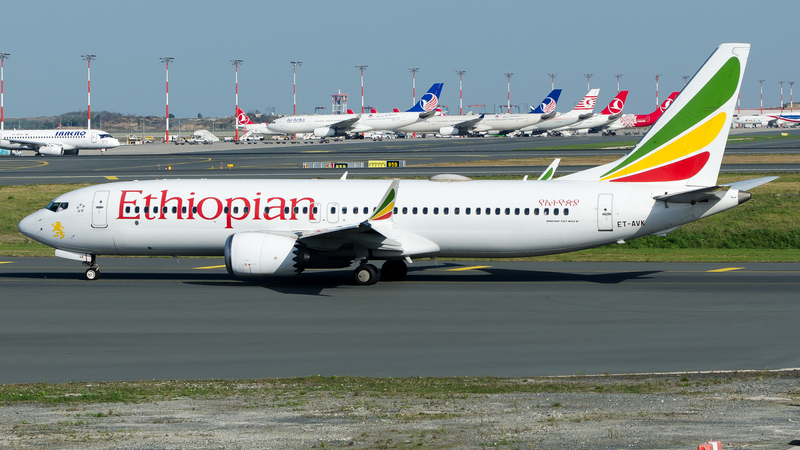
A key point often missed in casual coverage: aircraft like the Boeing 737 MAX—even with impressive range for a narrowbody—aren’t credible tools for Ethiopia–Australia flying. Ethiopian can and does use the MAX family to expand medium-haul reach and improve unit costs on regional and thinner international routes, but Australia is fundamentally a widebody mission from East Africa.

That’s why Ethiopian’s latest long-haul growth narrative has been tied to widebody procurement and delivery timing.
The Widebodies That Make Australia Feasible
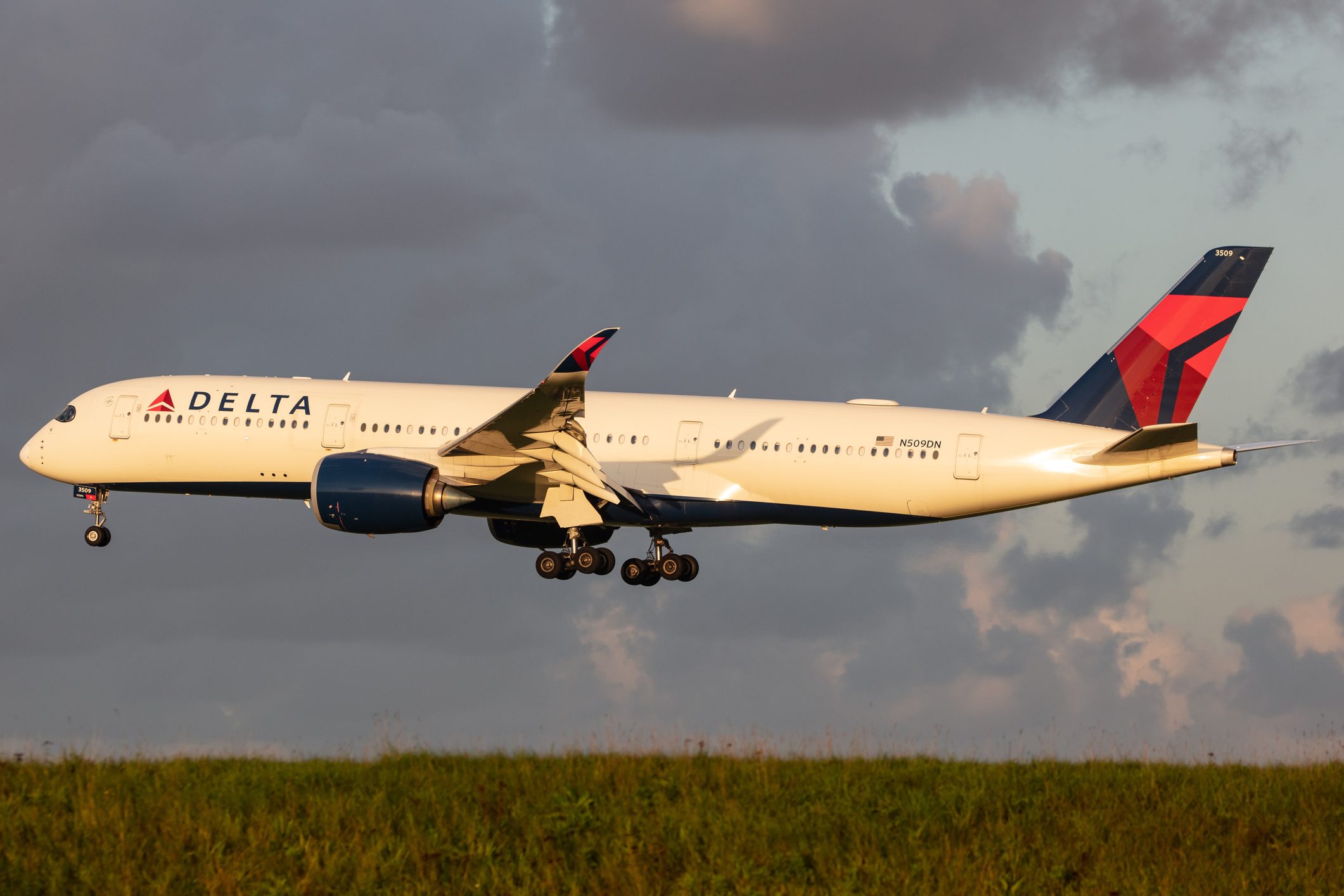
Ethiopian already operates a modern long-haul fleet, and its newest large-gauge flagship is the Airbus A350-1000. In Ethiopian configuration, the A350-1000 is a 441-seat aircraft (46 in Cloud Nine/Business and 395 in Economy), built around long-range efficiency and a cabin designed to reduce fatigue on extended missions.
The aircraft types most directly relevant to a future Australia launch are:

-
Airbus A350-900 / A350-1000: long-range efficiency, strong passenger comfort attributes, and flexible economics across very long stage lengths.
-
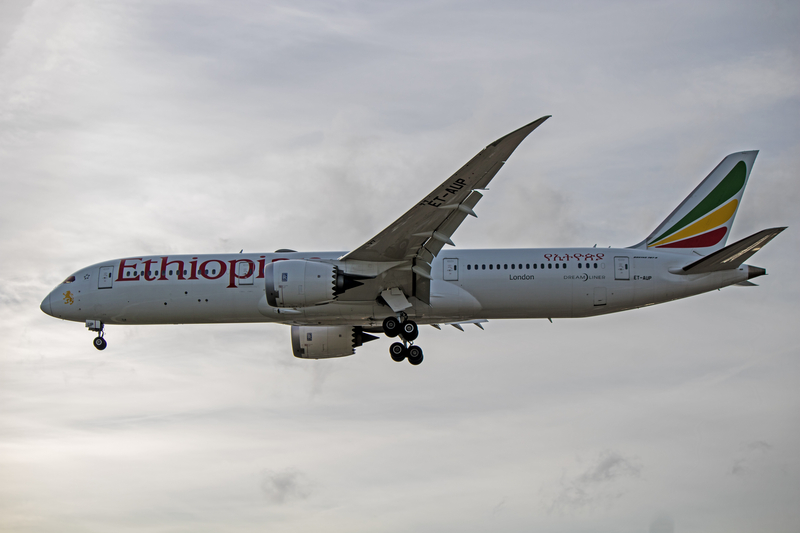
Boeing 787-9: a proven ultra-long-haul platform with strong fuel efficiency and payload performance, often the sweet spot for launching new long sectors without overgauge risk.
-
Boeing 777-9 (on order): future high-capacity long-haul lift—useful once demand matures and frequency becomes commercially justifiable.
Ethiopian has recently confirmed additional Boeing orders (including new 787-9 commitments) and continues to expand a fleet that’s commonly described as roughly 150 aircraft in service—one of the largest and youngest fleets on the continent.
What This Would Mean for the Market
An Ethiopian entry into Australia would do more than add another airline logo at the gate. It would:
-
Create new one-stop pathways between Australia and a wide range of African cities that are currently most easily reached via Gulf or European hubs.
-
Strengthen ADD (ADD) as a long-haul transfer hub, especially for East, Central, and Southern African connectivity.
-
Put pressure on existing one-stop routings via hubs like DOH, DXB, and major European gateways by offering alternative connection banks and potentially different total journey times.
The bigger question isn’t whether Ethiopian can sell seats to Australia—traffic exists. The question is whether the airline can do it with the reliability and margin required to make an ultra-long-haul route sustainable beyond the initial launch window.
Bottom Line
Ethiopian Airlines is targeting 2028 to begin flights to Australia, but the plan is explicitly tied to securing at least two additional long-range widebodies before committing to the route. With Addis Ababa (ADD) as the hub engine and aircraft like the A350-1000 and 787-9 as the most logical mission tools, Ethiopian’s Australia entry would be a strategic “last continent” move—one that hinges less on ambition and more on fleet availability, payload-range performance, and the airline’s ability to protect schedule integrity on one of the industry’s toughest long-haul missions.
Keep reading FlyMag
Get the Daily Brief in the morning or the Route Watch weekly recap on Fridays. Or both.