El Al will return to San Francisco in October, restoring a nonstop link to Israel that has been absent from the airline’s network since the early months of the pandemic.

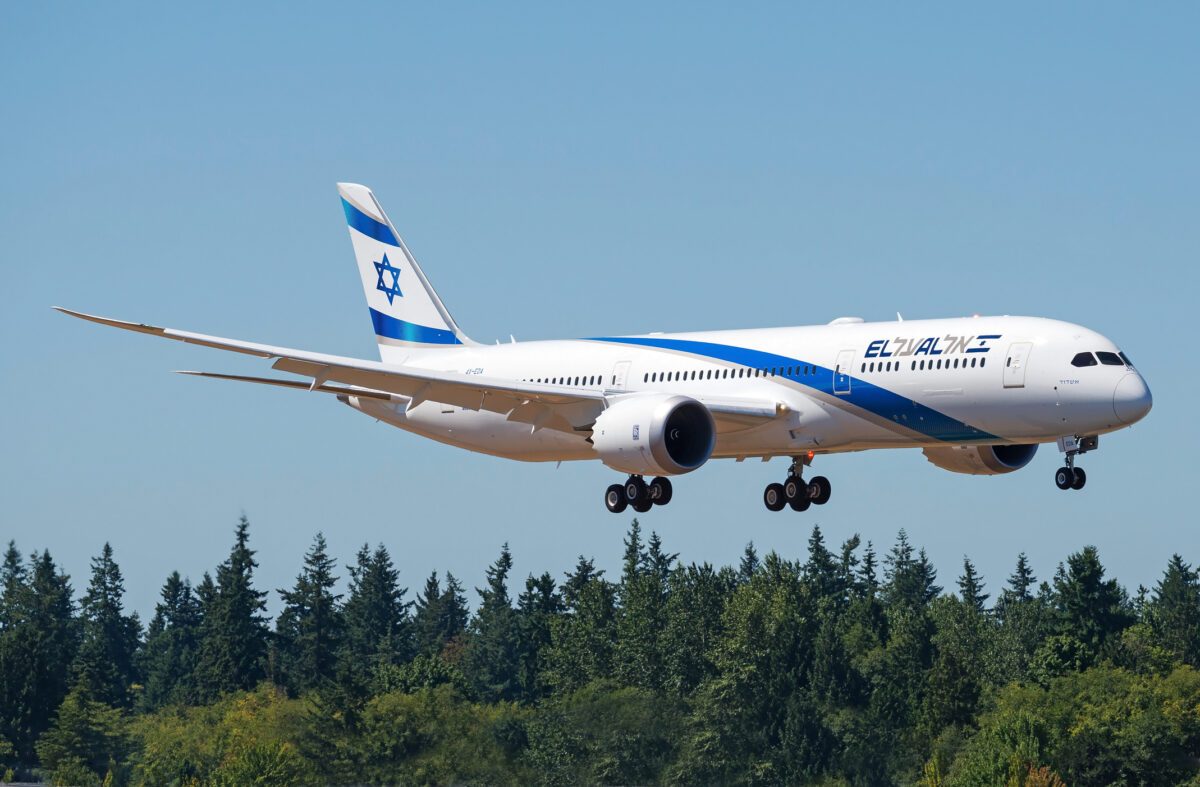
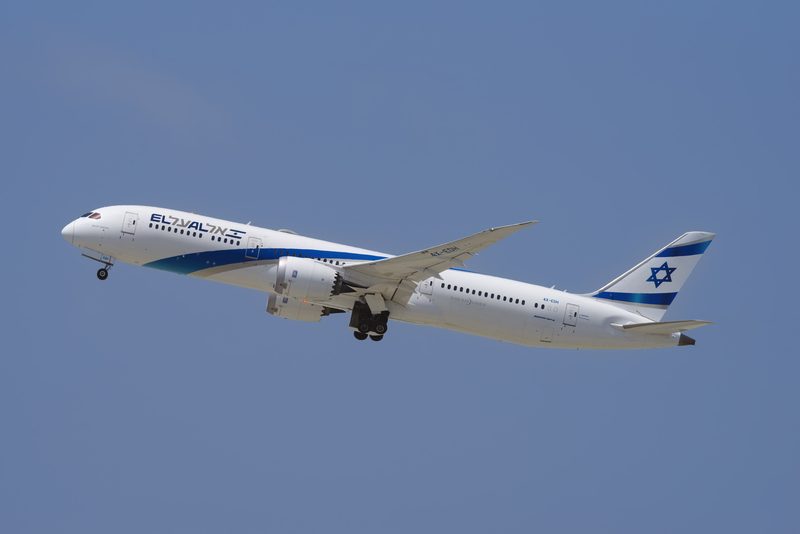
The carrier will begin flying between Tel Aviv Ben Gurion (TLV) and San Francisco (SFO) on October 25, 2026. El Al’s announcement confirms three weekly roundtrips, operated with Boeing 787 Dreamliners offering Business, Premium and Economy cabins.
Flights will run on Sundays, Tuesdays and Thursdays. El Al has also opened the route for sale, with its San Francisco booking page advertising nonstop service from October 25.
Read our stories in your inbox
Two aviation newsletters. Zero fluff.
A Three-Weekly Boeing 787-9 Operation
San Francisco’s airport authority identifies the operating type more precisely as the Boeing 787-9. Its published service announcement lists three weekly flights on the stretched Dreamliner, while SFO’s current nonstop destination directory shows Tel Aviv returning with El Al in October.
The 787-9 is a logical fit for a sector with a westbound block time of about 15 hours. El Al does not need the capacity of a larger widebody to reopen the market, while the Dreamliner provides the range and cargo capability required for a long Pacific-facing departure from Israel.
El Al’s year-end 2025 fleet disclosure listed 13 Boeing 787-9s, each averaging 271 seats. On that basis, three weekly frequencies would place approximately 813 seats in each direction into the market, although individual aircraft assignments can change.
The airline’s 271-seat configuration is divided among Business, Premium and Economy. That cabin mix matters on a route expected to draw corporate traffic alongside visiting-friends-and-relatives and leisure demand. Premium cabins give El Al more ways to monetize a long sector than an economy-heavy configuration would, particularly in a market tied closely to the technology and investment sectors.
Boeing lists the 787-9’s range at up to 8,300 nautical miles, depending on specification and operating conditions. The aircraft sits comfortably within the performance envelope required for TLV-SFO while remaining smaller than the 777s El Al deploys elsewhere in its long-haul operation.
El Al Is Returning to a Route It Opened in 2019
The October flight is a resumption, not El Al’s first attempt at San Francisco. The airline’s 2019 annual report identifies San Francisco among four destinations launched that year, alongside Nice, Manchester and Las Vegas.
The route’s first run was brief. It entered the network during El Al’s transition from Boeing 747s and 767s to the 787 family, then disappeared during the collapse in international passenger demand in 2020. San Francisco airport records list El Al among the foreign carriers serving SFO during the 2019-2020 financial year, which covered the onset of the pandemic and the region’s March 2020 shelter-in-place order.
The return therefore tests whether a market interrupted by an external shock can support year-round service under a different competitive and fleet environment. El Al now has a larger Dreamliner operation than it did when the original route began, giving it more flexibility to cover long-haul flying without maintaining older widebody subfleets solely for capacity.
San Francisco Expands El Al’s U.S. Footprint
San Francisco will become El Al’s sixth U.S. airport during the coming winter schedule, joining New York JFK, Newark, Miami, Boston and Los Angeles. The carrier plans 45 weekly U.S. flights across those gateways, according to its company magazine.
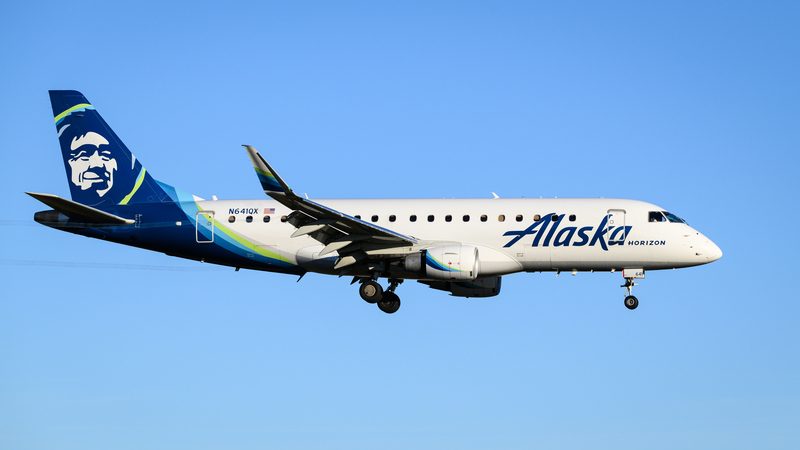
The addition gives El Al two California points. Los Angeles remains the larger and more established West Coast operation, while San Francisco addresses a different local market and reduces the need for Bay Area passengers to connect through Southern California, New York or a European hub.
El Al is also presenting the route as part of a broader expansion rather than an isolated restoration. The airline said San Francisco was one of 11 destinations announced in recent months, reflecting a network strategy supported by additional aircraft and the return of more capacity to service.
Its 2025 financial report projected an operating passenger fleet of 55 aircraft during 2026, including 18 Dreamliners and six Boeing 777s. The wider long-haul fleet gives El Al room to add San Francisco while continuing to serve its established North American markets and pursue other long-range expansion.
A Winter Window Without United
The timing also gives El Al a favorable competitive opening. SFO’s destination listing says United Airlines is expected to resume its own San Francisco-Tel Aviv service in March 2027. Under the schedules currently published by the airport, El Al will be the only nonstop operator between the two cities for much of the winter.
That period should allow the airline to establish local sales, corporate contracts and operating routines before nonstop competition returns. Once United resumes, the market will have two distinctly different propositions: El Al’s Tel Aviv-based network and local Israeli brand strength against United’s large SFO hub and domestic feed.
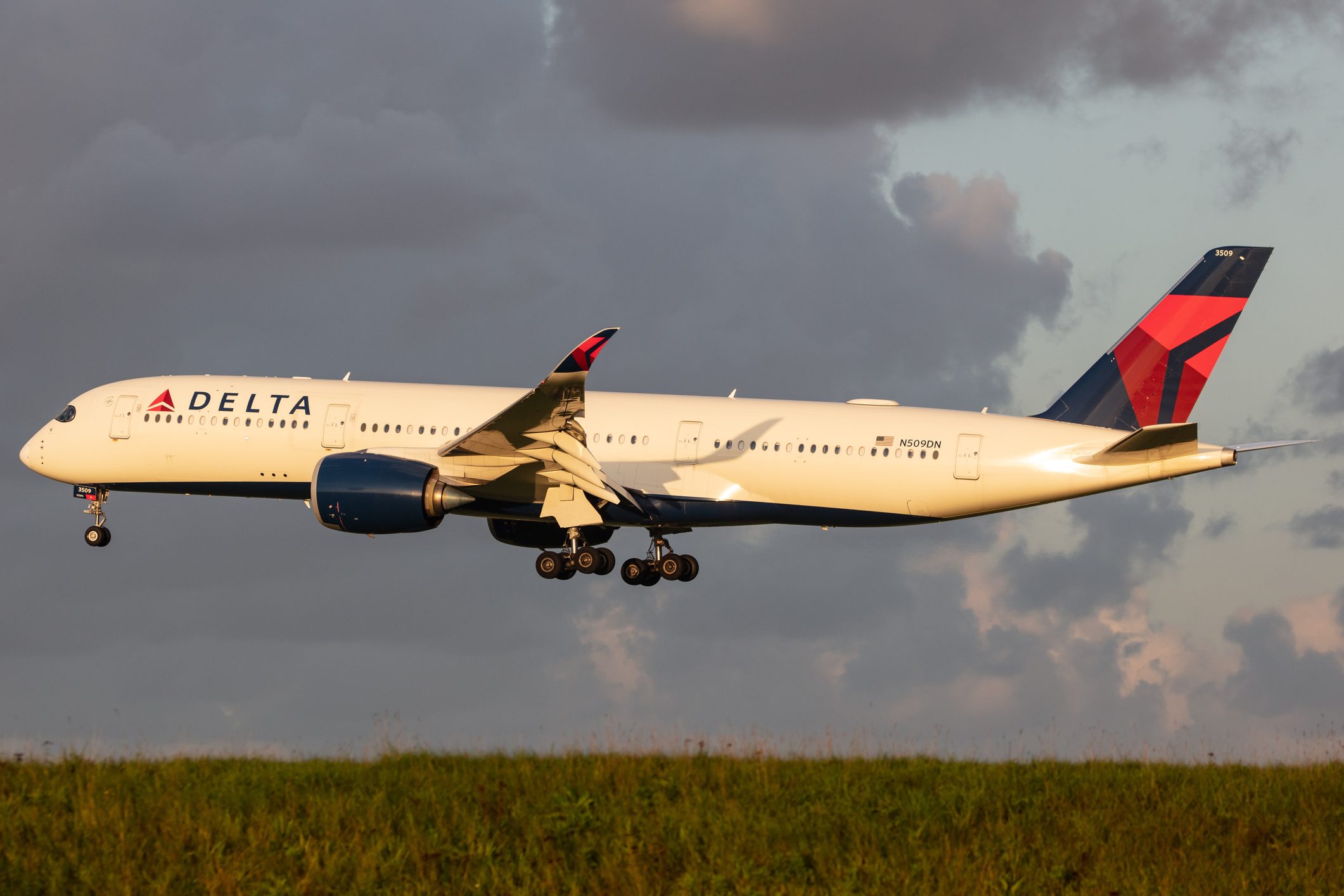
El Al can supplement its own U.S. presence through its partnership with Delta Air Lines, which covers connecting itineraries and reciprocal frequent-flyer benefits. San Francisco, however, is primarily a local-market route because Delta does not operate a hub at SFO. El Al’s three weekly frequencies will therefore depend more heavily on Bay Area demand than its services into larger partner or connecting gateways.
Bottom Line
San Francisco is a measured addition rather than a large capacity bet. Three weekly 787-9 flights give El Al enough frequency to serve corporate and community demand while limiting the exposure created by a 15-hour westbound sector. The aircraft’s three-cabin layout is central to that equation: the route needs premium revenue and cargo contribution, not simply high passenger volume, to justify tying up a long-haul aircraft for an extended rotation.
The restart also shows how El Al is using its expanding Dreamliner fleet to rebuild routes that were cut before they had time to mature. San Francisco’s original operation lasted for only a short period before the pandemic reset international networks. The 2026 version arrives with a larger 787 fleet, a broader U.S. schedule and several months in which El Al is expected to have the nonstop market to itself.
The more revealing stage will begin when United returns in spring 2027. If both airlines maintain service, the route will shift from a restoration story to a test of whether the Bay Area can sustain competing nonstop links to Israel. Frequency changes, aircraft substitutions and the length of United’s operating season will provide the clearest early evidence of how deep that market has become.
Keep reading FlyMag
Get the Daily Brief in the morning or the Route Watch weekly recap on Fridays. Or both.