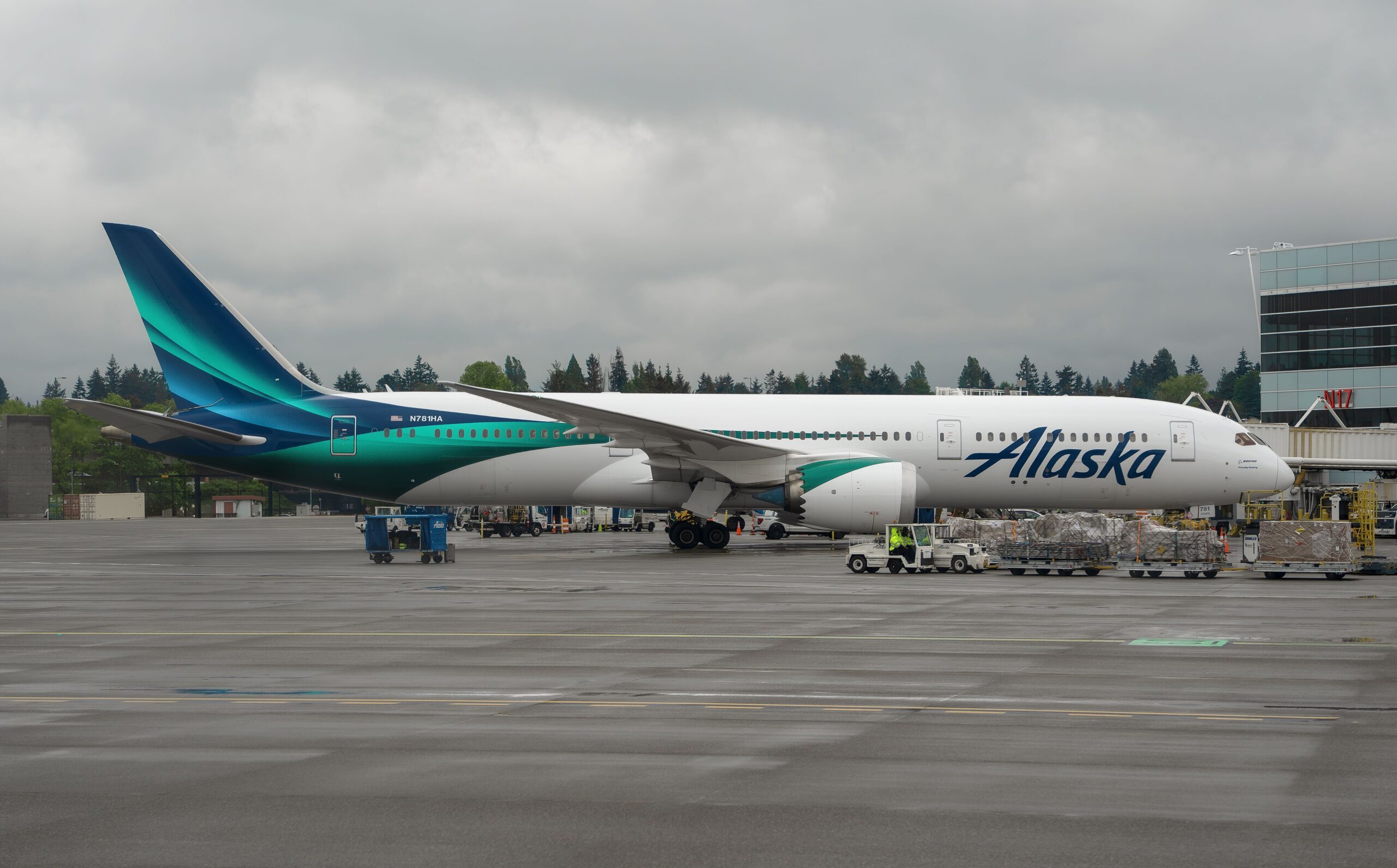
Alaska Airlines has removed four planned seasonal nonstop routes to Mexico from its future schedule, trimming part of its leisure network from Los Angeles, Las Vegas and San Francisco.

The affected routes were scheduled to link Los Angeles International Airport (LAX), Harry Reid International Airport (LAS) and San Francisco International Airport (SFO) with four Mexican leisure markets: Cancún, Puerto Vallarta, Los Cabos and Loreto.
The cuts affect planned nonstop flights, not necessarily every Alaska itinerary between those city pairs. Some markets may still be bookable with a connection through another Alaska gateway.
Read our stories in your inbox
Two aviation newsletters. Zero fluff.
Still, the changes show a more disciplined approach to seasonal Mexico flying.
Alaska remains a major U.S. carrier to Mexico. However, the airline appears to be refining where it wants to place aircraft during the high-demand winter travel season.
Four Mexico Nonstops Removed
The four removed seasonal routes were:
- Los Angeles (LAX) to Cancún International Airport (CUN)
- Las Vegas (LAS) to Puerto Vallarta International Airport (PVR)
- Las Vegas (LAS) to Los Cabos International Airport (SJD)
- San Francisco (SFO) to Loreto International Airport (LTO)
The planned services covered the winter 2026/2027 travel period, with operating windows between November 2026 and spring 2027.
That timing is important. Winter is when Mexico beach demand is usually strongest from the U.S. West Coast. Travelers from colder markets look south, while airlines shift capacity toward leisure destinations with warm weather and strong yields.
Removing these routes before launch suggests Alaska is being selective about where winter aircraft time is best used.
Los Angeles–Cancún Was The Largest Route
The most notable cut is Los Angeles (LAX)–Cancún (CUN).
Cancún is Mexico’s largest international leisure gateway and one of the most important beach markets in the Americas. It attracts heavy U.S. and Canadian demand, plus strong long-haul traffic from Europe and Latin America.
For Alaska, LAX–CUN looked like a natural leisure route on paper.
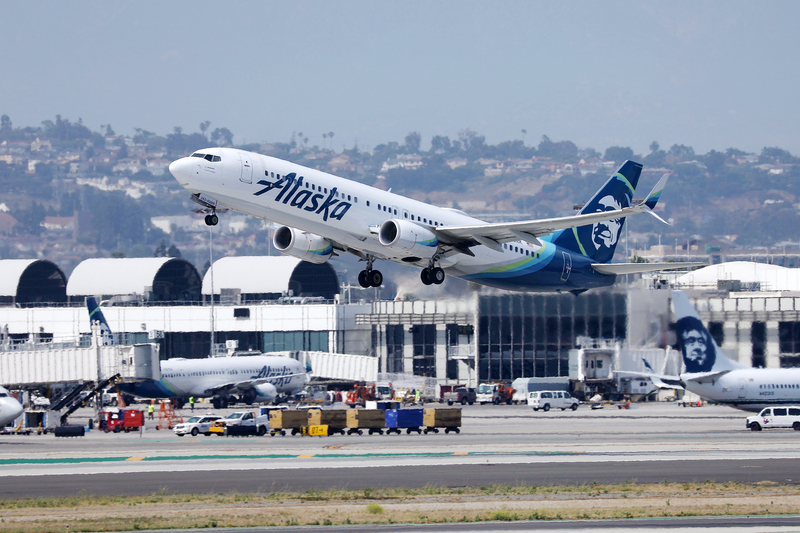
Los Angeles is a major Alaska gateway. Cancún is a high-profile destination. The stage length also fits Alaska’s Boeing 737 fleet.

But Cancún is also highly competitive.
Travelers from Southern California can reach CUN through several U.S. hubs. Low-cost carriers, network airlines and Mexican operators all compete for price-sensitive leisure traffic.
That can make nonstop seasonal service harder to sustain than the market size suggests.
Las Vegas Loses Two Mexico Resort Routes
Las Vegas (LAS) was set to lose the most weekly flying from the schedule change.
Alaska had planned Las Vegas–Puerto Vallarta (PVR) service and Las Vegas–Los Cabos (SJD) service. The Puerto Vallarta flight was scheduled weekly. The Los Cabos route was planned daily.
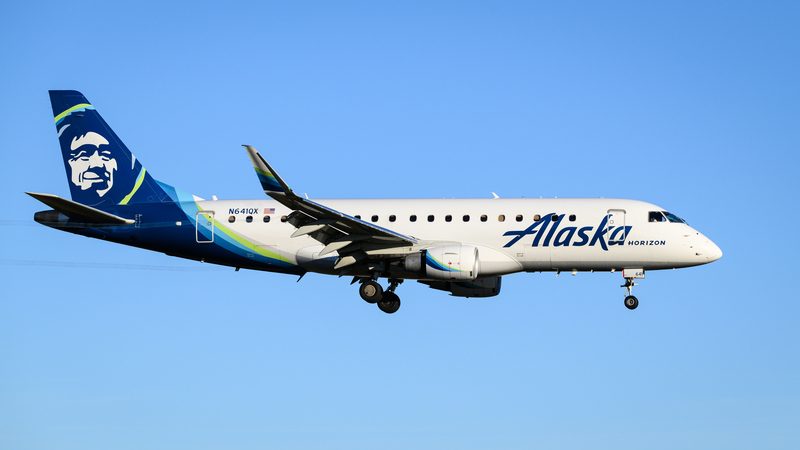
Both were to be operated by SkyWest Airlines under the Alaska brand using the Embraer 175.
That aircraft choice made sense.
The E175 gives Alaska a lower-capacity option for thinner seasonal markets. It has 76 seats and no middle seats, with 12 First Class seats and 64 Main Cabin seats, including Premium Class rows.
For a route such as Las Vegas (LAS)–Puerto Vallarta (PVR), that smaller gauge reduces risk.
However, even the E175 only works if demand, fares and aircraft availability line up. If Alaska sees better opportunities elsewhere, a planned weekly or daily seasonal route can be removed before it starts.
Los Cabos Is Strong, But Competition Is Heavy
Los Cabos (SJD) is one of Mexico’s strongest U.S.-facing resort markets.
It has high-end leisure demand, strong villa and resort traffic, golf tourism and a deep base of U.S. visitors. Alaska already serves Los Cabos from multiple West Coast markets.
That makes the Las Vegas (LAS)–Los Cabos (SJD) withdrawal interesting.
The market itself is attractive. The issue may be the gateway.
Las Vegas is a large leisure destination in its own right, but it is not Alaska’s core hub. Alaska can use LAS for targeted vacation flying, but it does not have the same scale there as it does in Seattle, Portland, San Francisco, Los Angeles or San Diego.
A daily E175 flight to SJD may have looked useful in a schedule plan. But it may not have been the best use of regional-jet capacity during winter.
San Francisco–Loreto Was A Smaller Niche Play
San Francisco (SFO)–Loreto (LTO) was the smallest and most niche route in the group.
Loreto is a much smaller market than Cancún, Puerto Vallarta or Los Cabos. It serves a quieter part of Baja California Sur, with demand tied to fishing, ecotourism, second homes, small resorts and outdoor travel.
Alaska has long been one of the most important U.S. airlines to Loreto. The airline still promotes Loreto as one of its Mexico destinations.
However, San Francisco–Loreto was a more limited seasonal bet.
It was planned as a Saturday-only Boeing 737 service from January to April. That is a classic leisure pattern. It gives the airline one weekly peak-season flight without committing daily capacity.
Even so, a Boeing 737 is a large aircraft for a small market like LTO. If demand did not build as expected, the route would be an easy one to cut.
Boeing 737s And E175s Were Both Involved
The four removed routes involved two aircraft categories.
Los Angeles (LAX)–Cancún (CUN) and San Francisco (SFO)–Loreto (LTO) were planned with Boeing 737 aircraft. Las Vegas (LAS)–Puerto Vallarta (PVR) and Las Vegas (LAS)–Los Cabos (SJD) were planned with SkyWest-operated Embraer 175 regional jets.
That split tells us something about the routes.
The Boeing 737 routes likely needed stronger total passenger volume. Alaska’s current 737 fleet includes the 737-800, 737-900ER and 737 MAX 9. The 737-900ER and 737 MAX 9 each seat 178 passengers in Alaska’s current layout.
The Embraer 175 routes were more cautious.
With 76 seats, the E175 is better suited to thinner markets or routes Alaska wants to test without committing a larger aircraft.
In both cases, however, aircraft availability matters. Alaska has been managing fleet constraints and delivery timing across its network. That makes seasonal leisure routes more vulnerable if aircraft are needed elsewhere.
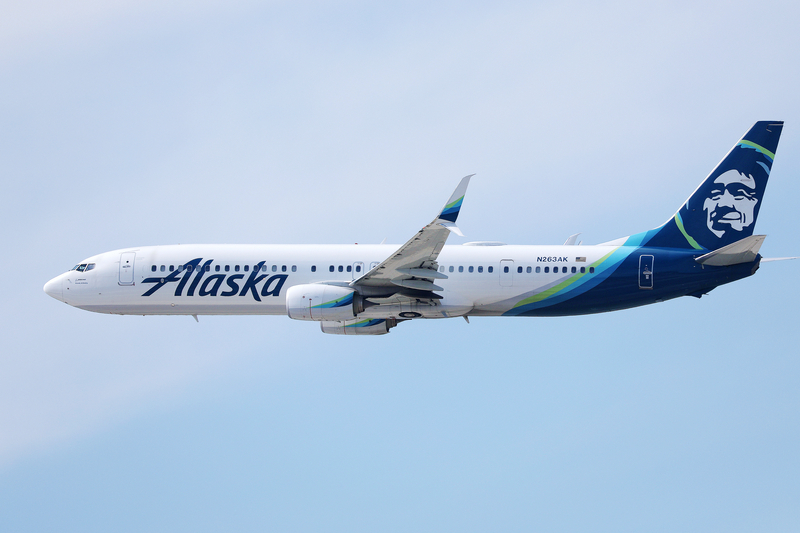
Why The Cuts Make Strategic Sense
Mexico remains important to Alaska.
The airline has promoted its long history in the country and says it serves key destinations including Cancún (CUN), Guadalajara (GDL), Ixtapa/Zihuatanejo (ZIH), Los Cabos (SJD), Loreto (LTO), Manzanillo (ZLO), Mazatlán (MZT) and Puerto Vallarta (PVR).
So this is not a retreat from Mexico.
It is more likely a refinement.
Alaska is cutting planned seasonal nonstops that may not have reached the right balance of demand, aircraft availability and expected profitability.
That is a normal part of airline scheduling. Routes are often filed months in advance, then adjusted before they ever fly.
For passengers, the change is still meaningful. Nonstop flights are the most convenient option, especially for leisure trips. But for the airline, a route has to do more than look attractive on a map.
It has to earn the aircraft.
West Coast Strategy Is Shifting
The route removals also fit into a broader West Coast reshuffling.
Alaska has been adjusting capacity at several California airports. It has added routes in some markets while trimming flying in others, especially where aircraft deliveries and fleet availability limit growth.
That is especially visible at San Francisco (SFO).
The airline has reduced some SFO flying while continuing to invest in the Bay Area through its lounge and remaining route network. At the same time, it has been building strength in markets such as San Diego, Portland and Hawaii.
Los Angeles (LAX) and Las Vegas (LAS) also play different roles in Alaska’s system.
LAX is a major gateway with international ambitions, including long-haul flying through the combined Alaska-Hawaiian network. LAS is more of a targeted leisure and connecting market.
That makes seasonal Mexico flying from each airport subject to different pressures.
The Hawaiian Merger Adds More Network Complexity
Alaska’s merger with Hawaiian Airlines also changes the way the company thinks about aircraft and network planning.
The combined group now has a larger mix of aircraft, routes and growth opportunities. It must decide where narrowbody aircraft, regional jets and widebodies can generate the best returns.
That can affect seasonal Mexico decisions.
Aircraft that might have flown a winter leisure route from Las Vegas or San Francisco may be more valuable on another market, especially if the combined airline is prioritizing Hawaii, transpacific growth or stronger West Coast city pairs.
That does not mean Mexico is less important.
It means Alaska now has more places to put limited aircraft.
What Travelers Should Know
Travelers should pay close attention to the word “nonstop.”
Some of these city pairs may still appear on Alaska’s website with connecting itineraries. For example, a passenger may still be able to travel from Los Angeles (LAX) to Cancún (CUN) or from Las Vegas (LAS) to Puerto Vallarta (PVR) with a connection.
That is different from a nonstop seasonal flight.
The removed routes affect convenience. They do not necessarily eliminate all Alaska-branded access to those destinations.
For passengers planning winter trips to Mexico, the practical impact is simple. Check the routing before booking. A flight that appears in search results may include a connection even if a nonstop had previously been expected.
That matters for resort trips, cruise connections and short vacations where total travel time is important.
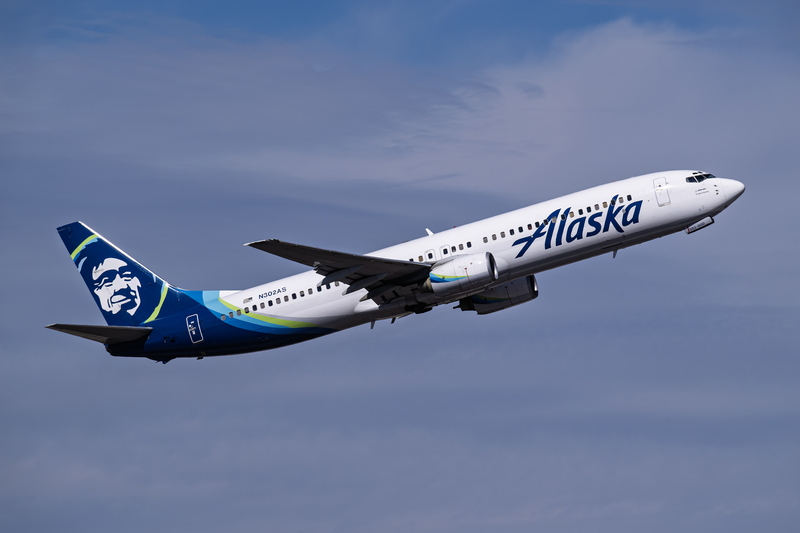
A Smaller But Still Important Mexico Footprint
Alaska is still deeply connected to Mexico.
The airline’s relationship with Mexico dates back to 1988, when it launched its first international service from San Francisco to Mazatlán and then Puerto Vallarta.
Today, Mexico remains one of Alaska’s most important international leisure regions.
The airline continues to serve major beach and cultural destinations from multiple U.S. gateways. It also still has strong West Coast brand recognition with travelers heading to Mexico.
That is why the four route removals should be viewed carefully.
They are meaningful cuts, but not a broader exit. Alaska is not abandoning Mexico. It is tightening the edges of its winter schedule.
Bottom Line
Alaska Airlines has removed four planned seasonal nonstop Mexico routes from its future schedule: Los Angeles (LAX)–Cancún (CUN), Las Vegas (LAS)–Puerto Vallarta (PVR), Las Vegas (LAS)–Los Cabos (SJD), and San Francisco (SFO)–Loreto (LTO).
The changes affect both mainline Boeing 737 flying and SkyWest-operated Embraer 175 service under the Alaska brand.
For passengers, the biggest loss is nonstop convenience. Some city pairs may still be available with connections, but the planned direct flights are no longer part of the future schedule.
For Alaska, the move reflects a more disciplined approach to seasonal leisure flying. Mexico remains important, but aircraft time is limited. Routes now need to clear a higher bar.
That is the real story.
Alaska is not walking away from Mexico. It is choosing where Mexico flying makes the most sense.