Milan Malpensa has moved into its peak Olympic arrival phase under a dedicated operations plan designed for the unique mix the Games bring: national delegations traveling in blocks, media moving with heavy gear, and VIP movements that can compress an entire day’s worth of coordination into a few minutes on the ramp. So far, the airport has processed roughly 1,400 athletes and technical staff from 77 delegations, alongside an estimated 4,600 journalists and media personnel, plus VIP traffic that includes hundreds of high-profile guests and dozens of heads of state and government.
That combination matters operationally. Athletes don’t travel “light,” media almost never does, and VIP movements tend to come with layered security, stand constraints, and tight timing windows. The point of MXP’s plan is to keep all three flows moving without turning Terminal 1 into a pinch point.
Read our stories in your inbox
Two aviation newsletters. Zero fluff.
The real stress test is oversize: skis, bikes, and specialist bags
Olympic arrivals look like normal passenger operations right up until the baggage starts coming off.
At MXP, the Games have already meant thousands of checked bags plus a steady stream of nonstandard items—skis, bicycles, and specialist equipment that won’t behave like a standard suitcase on a belt. That’s where airports either look smooth or get exposed. Oversize flows chew up staff time, floor space, and equipment, and they can quietly ripple into arrival hall congestion if the reclaim area can’t drain quickly enough.

From an airline perspective, it’s also a reminder that aircraft type matters. A widebody’s lower-deck volume and cargo door geometry can make team movements far more forgiving than a single-aisle swap—especially when loads include long, rigid items like skis or crated equipment. Even when passenger counts are manageable, the hold plan and offload sequencing become the critical path.
Terminal 1, volunteers, and a 24/7 coordination model
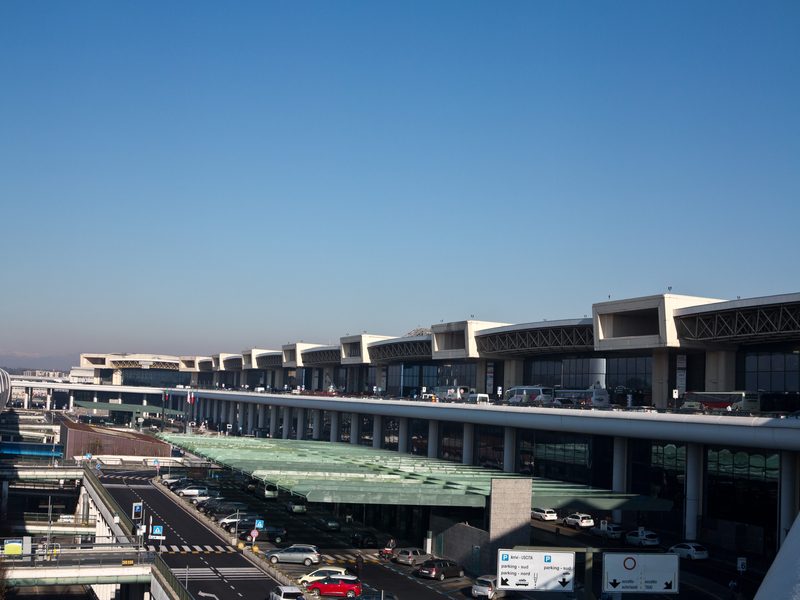
MXP’s recently refreshed Terminal 1 is the focal point for the arrival program, and the airport is leaning heavily on resourcing and choreography rather than improvisation. Hundreds of staff and volunteers have been assigned specifically to Olympic flows, and the operation is being managed around the clock through a dedicated coordination setup (an “action room” model) that ties together the airport operator, event stakeholders, and ground-side partners.
The practical goal is simple: prevent micro-disruptions from stacking into macro-delays. If a delegation’s transport connection slips, you don’t just lose a bus slot—you can create a domino effect that hits curb capacity, police lanes, baggage reclaim dwell time, and even gate/stand availability as the next arrival pushes in behind it.
This is also why MXP’s “first hub” role matters. The airport isn’t just receiving passengers; it’s functioning as a front-end processing point—helping manage accreditation workflows, equipment checks, and the handoff to onward ground transport toward venues.

Why MXP is structurally suited to big-event aviation
Not every airport can absorb an event of this scale without sacrificing its baseline operation. MXP has a few structural advantages that show up quickly during surges:
-
Long-haul capability built-in: MXP’s runway infrastructure supports heavy widebody operations, giving airlines and charter planners flexibility on aircraft choice and payload.
-
Two-runway resilience: Dual-runway airports tend to recover faster when you get a burst of arrivals, de-icing knock-ons, or stand constraints—because arrival/departure balancing is easier to re-sequence.
-
A catchment that behaves like a hub: Northern Italy’s demand profile (business, leisure, and strong international connectivity) helps keep schedules dense and options plentiful—useful when Olympic flows create short-notice changes.
And while MXP is the headline gateway, the Milan system’s broader footprint matters too. Milan Linate Airport (LIN) can act as a pressure valve for short-haul movements and government/VIP patterns that don’t need a long-haul platform—reducing the odds that one airport has to do everything at once.
Bottom Line
The Olympics don’t just “add passengers.” They add complexity—outsized baggage volumes, tightly managed delegation movements, high-security VIP operations, and media traffic that can arrive in concentrated waves. Milan Malpensa (MXP) is already proving it’s being run like a purpose-built arrival machine, with staffing, facilities, and 24/7 coordination aimed at keeping the airport’s everyday schedule intact while it plays front door to Milano Cortina 2026.
Keep reading FlyMag
Get the Daily Brief in the morning or the Route Watch weekly recap on Fridays. Or both.