easyJet is using June to widen its European network with 15 route launches and resumptions, adding new leisure, island, regional, and domestic links across the UK, France, Italy, Switzerland, Spain, Greece, Portugal, Iceland, Cyprus, and Germany.

The schedule expansion is not concentrated in one market. Instead, it reflects easyJet’s familiar multi-base strategy: add selective capacity where it already has strong aircraft presence, lean into summer leisure demand, and use Airbus A320-family aircraft to test or restore routes that do not always require daily service.
Of the 15 June additions, 13 are international routes and two are domestic services. The new domestic links are Milan Linate (LIN)–Brindisi (BDS) in Italy and London Gatwick (LGW)–Cornwall Newquay (NQY) in the UK.
Read our stories in your inbox
Two aviation newsletters. Zero fluff.
The international launches include routes from Nice (NCE), Bordeaux (BOD), Geneva (GVA), Bristol (BRS), London Gatwick (LGW), Basel (BSL), Newcastle (NCL), Milan Malpensa (MXP), Lyon (LYS), and Manchester (MAN). Several are seasonal summer routes, which is exactly where easyJet’s low-cost, high-utilization model is strongest.
15 Routes Launching Or Resuming In June
The June route list gives easyJet more reach into Mediterranean leisure markets, island destinations, regional France, domestic Italy, and UK domestic connectivity.
| Route | Launch / Resumption | Frequency | Aircraft |
|---|---|---|---|
| Nice (NCE) – Funchal/Madeira (FNC) | June 6 | 2 weekly | Airbus A320 |
| Bordeaux (BOD) – Palermo (PMO) | June 6 | 1 weekly | Airbus A320 |
| Geneva (GVA) – Larnaca (LCA) | June | 1 weekly | Airbus A320-family |
| London Gatwick (LGW) – Reus (REU) | June 22 | 3 weekly | Airbus A319/A320 |
| Basel/Mulhouse (BSL) – Lille (LIL) | June 22 | 2 weekly | Airbus A320 |
| Newcastle (NCL) – Lisbon (LIS) | June 22 | 2 weekly | Airbus A320 |
| Milan Linate (LIN) – Brindisi (BDS) | June 22 | 4 weekly | Airbus A319/A320 |
| London Gatwick (LGW) – Newquay (NQY) | June 23 | 2 weekly | Airbus A319/A320 |
| Bordeaux (BOD) – Cagliari (CAG) | June 23 | 2 weekly | Airbus A320 |
| Milan Malpensa (MXP) – Berlin Brandenburg (BER) | June 23 | 3 weekly initially | Airbus A320 |
| Lyon (LYS) – Reykjavík/Keflavík (KEF) | June 23 | 2 weekly | Airbus A320 |
| Nice (NCE) – Cagliari (CAG) | June 23 | 2 weekly | Airbus A320 |
| Manchester (MAN) – Preveza/Lefkada (PVK) | June 24 | 2 weekly | Airbus A320 |
| Bristol (BRS) – Reus (REU) | June 25 | 2 weekly | Airbus A320-family |
| Bristol (BRS) – Thessaloniki (SKG) | June 27 | 2 weekly | Airbus A320-family |
The common thread is clear: this is not a high-frequency business expansion. It is a targeted summer network build, with most routes operating between one and four times weekly.
That is enough to serve leisure travelers, package-holiday demand, visiting-friends-and-relatives traffic, and city-break passengers without overcommitting aircraft into markets that may not support daily service.
Airbus A320 Family Aircraft Do The Work
easyJet’s entire operation is built around the Airbus A320 family, and that remains true for this June expansion.
The airline’s fleet includes Airbus A319, A320, A320neo, and A321neo aircraft. easyJet lists the A319 with 156 seats, the A320 with 180 or 186 seats, the A320neo with 186 seats, and the A321neo with 235 seats. The aircraft are all single-aisle, all-Economy configured, and optimized for short- and medium-haul European flying.
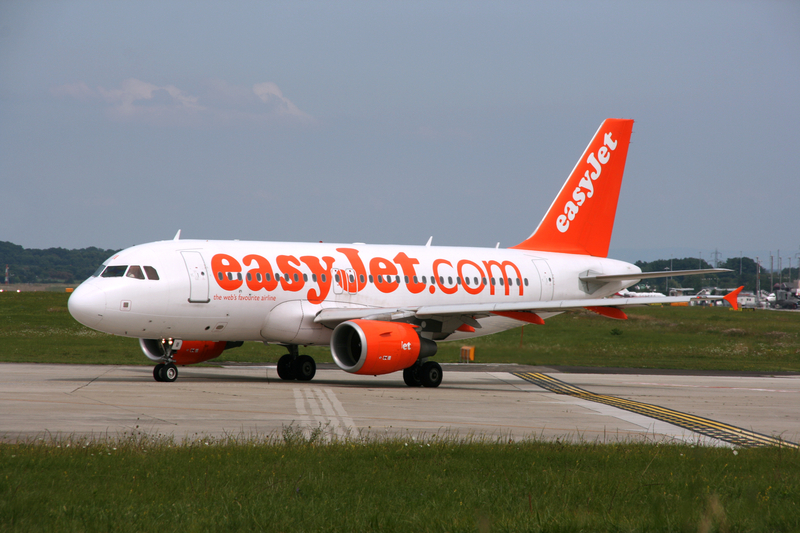
Most of the June route additions are scheduled with A319 or A320-family aircraft. That makes sense. These routes are largely seasonal, relatively low-frequency, and designed around point-to-point demand. A 156-seat A319 or 180/186-seat A320 gives easyJet enough capacity to stimulate demand without the heavier risk of deploying a larger aircraft too early.
The A320-family commonality also matters operationally. easyJet can rotate aircraft across bases, swap gauge when demand changes, and keep crew training and maintenance complexity under control. That is one of the reasons the airline can launch or resume so many routes across so many countries in the same month.
This is classic easyJet network planning: use a standardized fleet, strong airport bases, and low-cost economics to add capacity precisely where summer demand is strongest.
Nice Gains Madeira And Sardinia Links
Nice Côte d’Azur Airport (NCE) is one of the more interesting winners in the June schedule.
The new Nice (NCE)–Funchal (FNC) service begins June 6 and operates twice weekly. Funchal (FNC), the main airport serving Madeira, is a strong leisure destination but not a typical mass-market short-haul route from southern France. The flight gives the French Riviera a nonstop link to one of Portugal’s most distinctive island markets.
That route is especially attractive because Madeira is a year-round tourism destination with strong appeal for hiking, nature, cruise, premium leisure, and island holidays. For Nice (NCE), it adds a destination that complements the airport’s existing European and Mediterranean network.
Nice (NCE) also gains Cagliari (CAG) from June 23, with twice-weekly service to Sardinia. The route is much shorter and more obviously leisure-driven, connecting the Côte d’Azur with one of Italy’s most popular island destinations.
Together, Nice–Funchal and Nice–Cagliari show easyJet strengthening NCE as more than just an inbound tourist gateway. It is also a strong outbound leisure base for southern France.
Bordeaux Adds Two Italian Island Routes
Bordeaux (BOD) also benefits from the June expansion, with new links to Palermo (PMO) in Sicily and Cagliari (CAG) in Sardinia.
Bordeaux (BOD)–Palermo (PMO) begins June 6 and operates once weekly. Bordeaux (BOD)–Cagliari (CAG) follows June 23 with twice-weekly service.
Both routes are straightforward summer leisure plays. Sicily and Sardinia are among Italy’s strongest island destinations, and Bordeaux has a large enough catchment to support low-frequency nonstop flying during the peak summer season.
The once-weekly Palermo flight is particularly interesting because it suggests easyJet is being cautious. Palermo is a strong tourism market, but weekly service limits exposure while allowing the airline to test demand. Cagliari receives a stronger twice-weekly schedule, making it more useful for short breaks and week-long trips.
These routes also reinforce how easyJet uses French regional airports. Rather than relying only on Paris, Nice, and Lyon, the airline continues to build selective leisure links from cities such as Bordeaux, where passengers value nonstop access to summer destinations.
Geneva Adds Larnaca
Geneva (GVA) gains a new summer link to Larnaca (LCA), adding another eastern Mediterranean destination to easyJet’s Swiss network.
The route is scheduled weekly, with Airbus A320-family equipment. Geneva (GVA) is one of easyJet’s most important continental European bases, and Larnaca (LCA) fits the airline’s leisure profile well. Cyprus has strong summer demand, warm-weather appeal, and a mix of beach, family, cultural, and visiting-friends-and-relatives traffic.
The market is also competitive. SWISS is scheduled to serve Geneva (GVA)–Larnaca (LCA), meaning easyJet is not alone on the airport pair. That will put pressure on pricing, but it also shows there is enough underlying demand to support more than one carrier during the season.
For easyJet, Geneva remains one of its most important non-UK platforms. Adding Larnaca gives the base another longer leisure route at a time when Mediterranean demand remains strong.
Bristol Adds Reus And Thessaloniki
Bristol (BRS) is adding two new easyJet summer routes later in June: Reus (REU) and Thessaloniki (SKG).
Bristol (BRS)–Reus (REU) begins June 25 and operates twice weekly on Thursdays and Sundays. Reus is the gateway to Spain’s Costa Dorada, including Salou, Cambrils, PortAventura World, and the wider Tarragona region. It is also often used as an alternative access point for travelers heading toward Catalonia’s coastal resorts.
Bristol (BRS)–Thessaloniki (SKG) begins June 27 and operates twice weekly on Wednesdays and Saturdays. Thessaloniki is Greece’s second-largest city and a gateway to Halkidiki and northern Greece. For Bristol, it adds a different kind of Greek route — less obvious than islands such as Corfu, Rhodes, or Crete, but increasingly attractive for travelers looking for culture, food, beaches, and history without flying into Athens.
These two routes fit Bristol’s role in easyJet’s UK network. The airport is one of easyJet’s strongest regional UK bases, and its South West England catchment has enough outbound leisure demand to support a broad summer map.
Gatwick Gets Reus And Newquay
London Gatwick (LGW), easyJet’s largest base, receives two very different June additions.
The first is London Gatwick (LGW)–Reus (REU), which begins June 22 and operates three times weekly. This is a classic summer leisure route from the UK’s busiest leisure-oriented London airport to Spain’s Costa Dorada.
The second is London Gatwick (LGW)–Cornwall Newquay (NQY), which begins June 23 and operates twice weekly. That route is more unusual because it is domestic and short. At roughly 188 nautical miles, Gatwick–Newquay is a very short flight by easyJet standards.
The timing is important. Cornwall’s London air link has been unsettled following Eastern Airways’ collapse and the later end of the Skybus interim Public Service Obligation operation. easyJet is entering on a commercial basis rather than as a subsidized PSO operator, which explains the low frequency even during the peak summer period.
For Cornwall, the route matters because it restores a direct Gatwick connection, even if only twice weekly. For easyJet, it gives Gatwick passengers a summer domestic leisure option and provides Newquay with access to easyJet’s broader LGW network.
Newcastle–Lisbon Builds On The Reopened Base
Newcastle (NCL) to Lisbon (LIS) is one of the more strategically significant routes in the June package.
easyJet reopened its Newcastle base in 2026, and Lisbon adds another major European city to that rebuilt network. The route begins June 22 and operates twice weekly with Airbus A320 equipment.
The significance is that Newcastle (NCL) has historically had a more limited European network than larger UK airports such as Manchester (MAN), London Gatwick (LGW), London Luton (LTN), Birmingham (BHX), or Bristol (BRS). A direct Lisbon link gives the North East of England access to one of Europe’s strongest city-break and leisure destinations without requiring a connection or a long surface journey to another airport.
Lisbon (LIS) is also not simply a beach route. It combines city-break traffic, Portuguese diaspora demand, leisure travel, food and culture tourism, and onward connections within Portugal. For easyJet, that makes it more resilient than a pure summer sun market.
The route also supports easyJet’s broader Newcastle strategy: rebuild scale, add variety, and give the base enough destinations to matter to local passengers.
Basel–Lille Adds A Regional France Link
The Basel/Mulhouse/Freiburg (BSL) to Lille (LIL) route is one of the more niche additions.
It begins June 22 and operates twice weekly with Airbus A320 equipment. The route links the tri-national EuroAirport region — serving Basel in Switzerland, Mulhouse in France, and Freiburg in Germany — with Lille in northern France.
This is not a traditional Mediterranean leisure route. It is a regional European link connecting two cross-border economic areas. Lille (LIL) sits close to Belgium and is well placed for northern France, while Basel (BSL) has a strong business, pharmaceutical, academic, and cross-border catchment.
For easyJet, the route is a low-frequency experiment with a different demand mix from the airline’s beach-heavy summer network. It may appeal to visiting-friends-and-relatives traffic, regional business travelers, and short-break passengers.
It also shows that easyJet’s June expansion is not only about sun routes. The airline continues to use its bases for selective regional connectivity where a full-service carrier may not have the right cost base to make the route work.
Milan Malpensa–Berlin Returns
Milan Malpensa (MXP) to Berlin Brandenburg (BER) resumes on June 23, initially three times weekly, with Airbus A320 aircraft.
This is a classic intra-European city pair. Milan and Berlin are both major urban markets, with strong leisure, business, fashion, design, technology, and visiting-friends-and-relatives demand. The route had previously been served by easyJet, making this a resumption rather than a completely new market.
Milan Malpensa (MXP) is one of easyJet’s most important bases outside the UK, while Berlin (BER) remains a key German airport in the airline’s network. The return of the route gives easyJet a stronger presence between northern Italy and Germany’s capital.
The schedule is also expected to increase later in the season, suggesting easyJet sees enough demand to support more frequency once the route is established.
Lyon–Keflavík Reconnects France With Iceland
Lyon (LYS) to Reykjavík/Keflavík (KEF) is one of the more distinctive additions.
The route begins June 23 and operates twice weekly with Airbus A320 equipment. It links one of France’s largest regional cities with Iceland’s main international gateway, giving Lyon passengers a nonstop option to a destination that has become increasingly popular for nature, adventure, and stopover-style travel.
The route has historical precedent. The Lyon–Keflavík market was previously served by WOW air, which collapsed in 2019. Its return under easyJet reflects how Iceland has evolved from a niche destination into a mainstream European leisure market.
For easyJet, KEF is a different kind of leisure route. It is not beach-driven. It is built around landscapes, hiking, geothermal tourism, northern lights in shoulder seasons, and short-break travel. That gives easyJet a more diverse summer offer from Lyon.
Manchester–Preveza Adds Western Greece Capacity
Manchester (MAN) to Preveza/Lefkada (PVK) begins June 24 and operates twice weekly.
Preveza (PVK) serves western Greece and provides access to Lefkada, Parga, the Ionian coast, and parts of Epirus. It is a strong leisure market, but one that is more seasonal and more specialized than larger Greek airports such as Athens (ATH), Thessaloniki (SKG), Heraklion (HER), or Rhodes (RHO).
For Manchester, the route adds another sun destination from one of easyJet’s most important UK airports. The airline has served the market before, and the resumption suggests it sees renewed summer demand from the North West of England.
The A320 is the right aircraft for the mission. A twice-weekly schedule provides enough capacity for package holidays and independent travelers without oversupplying a market that is heavily concentrated in the summer months.
Milan Linate–Brindisi Adds A Domestic Italy Link
Milan Linate (LIN) to Brindisi (BDS) is easyJet’s main Italian domestic addition in June.
The route begins June 22 and operates four times weekly using Airbus A319/A320-family aircraft. Linate (LIN) is Milan’s close-in city airport, making it more convenient for many travelers than Milan Malpensa (MXP) or Bergamo (BGY).
Brindisi (BDS) serves southern Puglia, including Salento, Lecce, Ostuni, and the Adriatic coast. It is a strong domestic leisure market, especially in summer, but also has year-round local and visiting-friends-and-relatives traffic.
easyJet already operates Milan Malpensa (MXP)–Brindisi (BDS), so adding Linate gives the airline a more convenient Milan airport option and improves its competitive position against ITA Airways.
This is a strategically important move because Linate is slot-constrained and highly valuable. Any easyJet growth there carries more significance than a routine route launch from a less restricted airport.
Why These Routes Matter
The June expansion shows easyJet doing three things at once.
First, it is reinforcing core leisure demand. Routes to Reus, Thessaloniki, Preveza, Funchal, Cagliari, Palermo, Larnaca, and Brindisi are all built around strong holiday traffic.
Second, it is adding selective regional connectivity. Basel–Lille, Milan–Berlin, Lyon–Keflavík, and Gatwick–Newquay are not simply beach routes. They serve regional, city-break, domestic, and specialized travel demand.
Third, it is deepening key bases. Gatwick, Bristol, Newcastle, Nice, Bordeaux, Milan, Geneva, Manchester, and Lyon all receive new or restored flying. That spreads the benefit across easyJet’s network rather than concentrating the expansion in one country.
The low frequencies are not a weakness. They are part of the model. easyJet can serve highly seasonal routes two or three times weekly, test demand, and scale up later if the economics work.
Bottom Line
easyJet is launching or resuming 15 routes in June 2026, including 13 international services and two domestic routes.
The additions span the UK, France, Italy, Switzerland, Spain, Greece, Portugal, Cyprus, Germany, and Iceland. Most are low-frequency summer routes, operated by Airbus A319 and A320-family aircraft, and focused on leisure, regional connectivity, or seasonal demand.
The most notable corrections are that Bristol (BRS)–Reus (REU) begins June 25 and Bristol (BRS)–Thessaloniki (SKG) begins June 27, while London Gatwick (LGW)–Newquay (NQY) is scheduled twice weekly from June 23.
For easyJet, the expansion is not about one headline route. It is about network depth. The airline is adding practical, right-sized capacity across multiple bases, using its standardized Airbus fleet to capture summer demand without overcommitting.
That is exactly how easyJet has built one of Europe’s largest short-haul networks: many bases, many seasonal opportunities, and aircraft flexible enough to follow demand.