Delta Air Lines has reduced its planned return to the Boston-Honolulu market from a four-month winter operation to a short run covering the Christmas and New Year peak.

The airline will still open service between Boston Logan (BOS) and Honolulu (HNL) on December 19, 2026. The nonstop will now operate daily only through January 3, 2027, leaving the schedule after 16 departures in each direction. The final overnight flight from Honolulu reaches Boston on January 4.
Delta had announced the route on February 13 as part of its largest seasonal Hawaii program. Its original plan called for daily flying during the year-end peak, followed by four weekly frequencies through April 25.
Read our stories in your inbox
Two aviation newsletters. Zero fluff.
That timetable contained 84 departures in each direction. The revised schedule removes 68 of them, an approximately 81% reduction before the first flight has operated.
A Full Winter Becomes a Holiday Operation
The remaining service is scheduled as DL527 from Boston and DL543 from Honolulu. Published timetable data shows DL527 leaving BOS at 9:45 a.m., with an 11-hour, 10-minute scheduled journey to HNL. The eastbound sector is scheduled at about nine hours and 40 minutes.
At roughly 5,100 miles, Boston-Honolulu is the longest scheduled domestic nonstop in the United States. Its block time is comparable with many transatlantic services, while its passenger base is dominated by leisure demand and concentrated around traditional vacation periods.
Delta’s February plan acknowledged that seasonality by placing the daily operation around the holidays and reducing the route to four flights per week afterward. The latest change goes further: the airline is retaining only the period when Christmas and New Year demand offers the best chance of filling a large aircraft at acceptable fares.
The reduction removes 38,352 scheduled seat sectors across both directions. Instead of offering 23,688 seats from Boston over the winter, Delta will put 4,512 westbound seats into the market.
Delta Opens First-Ever New York-Olbia Flights, Giving Sardinia Its First U.S. Nonstop
This is also the second time in a relatively short period that Delta has stepped back from the route. A State of Hawaii airport system filing recorded Delta’s previous seasonal Boston-Honolulu operation from November 21, 2024, through April 30, 2025. The carrier did not operate the route during winter 2025-2026 before announcing its return for the following season.
The A330-300 Has the Range but Demands Volume
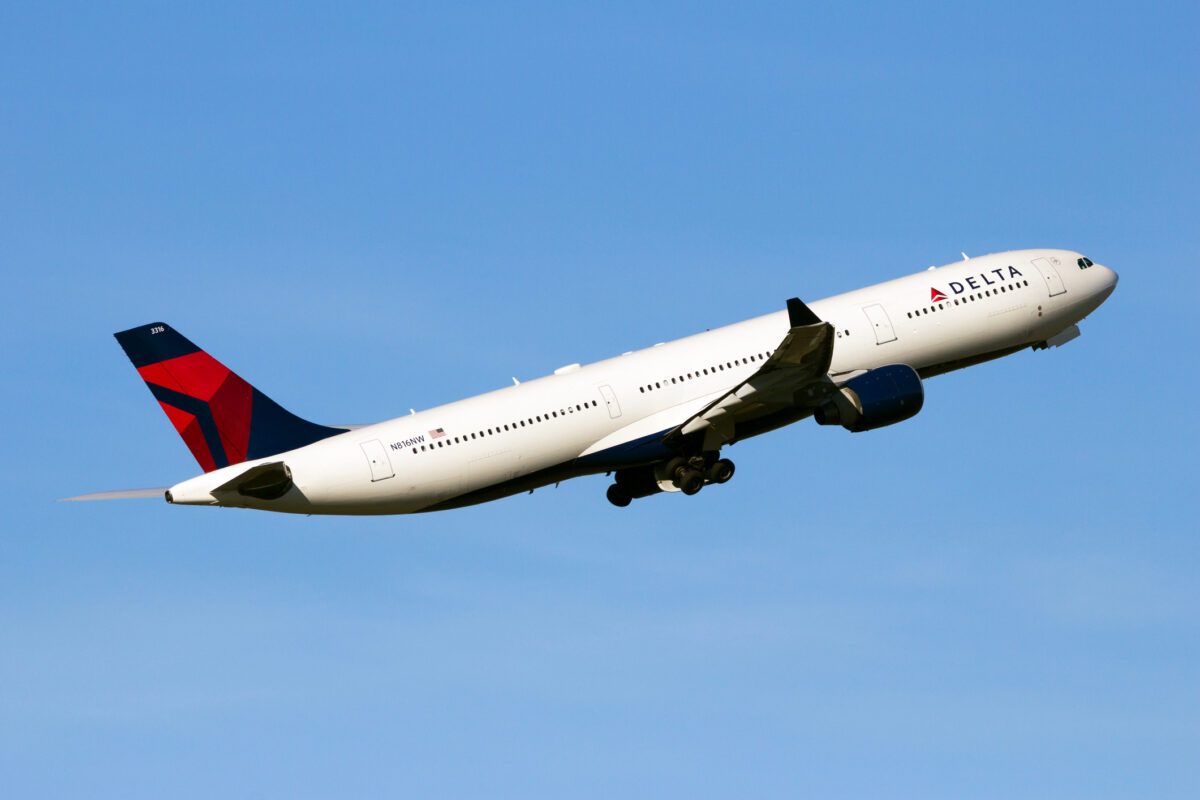
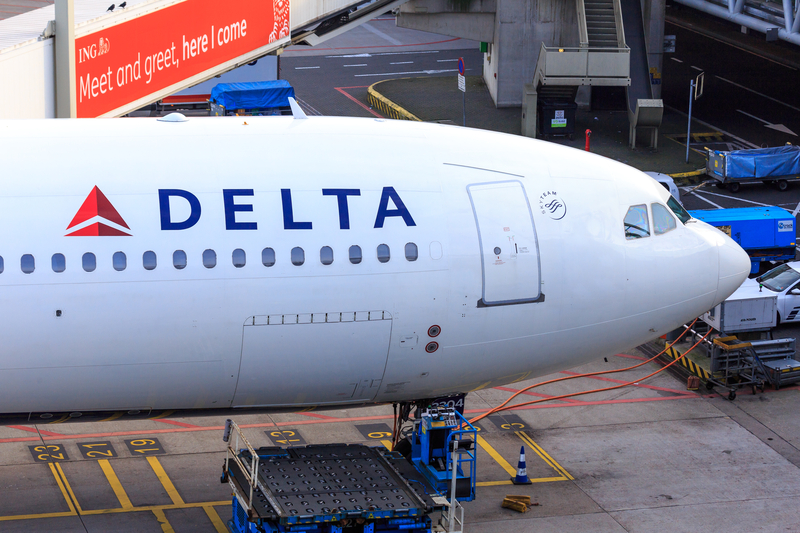
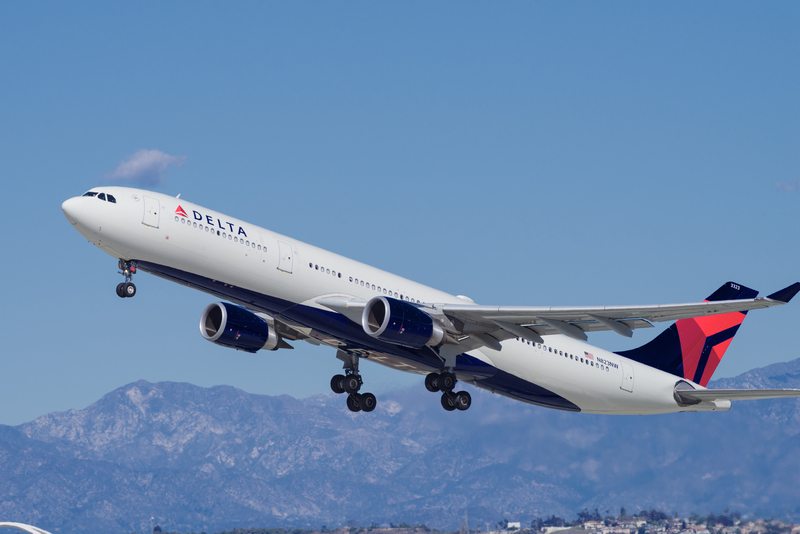
Aircraft performance is not the problem. Delta’s Airbus A330-300 configuration has a published range of 6,330 miles, comfortably covering the approximately 5,100-mile sector. Airbus lists the broader type’s maximum range at about 6,350 nautical miles, depending on configuration and operating conditions.
The challenge is filling the aircraft at revenues that justify nearly a full day of utilization for each round trip. Delta’s A330-300 carries 282 passengers: 34 in Delta One, 21 in Premium Select, 24 in Delta Comfort and 203 in Main Cabin. Four weekly frequencies would have placed 1,128 seats in each direction every week.
The four-cabin layout gives Delta several revenue products to sell, including lie-flat Delta One seats on an exceptionally long domestic flight. It also leaves the airline needing to find buyers for 55 business and premium-economy seats, plus more than 200 Main Cabin and extra-legroom seats, every time the aircraft leaves Boston.
A Boston-Honolulu rotation requires about 21 scheduled block hours before allowing for ground time. That is a substantial aircraft commitment for a route with pronounced leisure peaks and limited business demand relative to the long-haul international missions normally assigned to an A330.
Boston provides Delta with a sizable connecting operation. The airline says it runs as many as 165 peak-day departures to 62 destinations from BOS. Honolulu, however, is not a Delta hub. The route therefore lacks the two-ended connecting flows available on services linking larger network centers and depends more heavily on passengers beginning or ending their journeys in New England and Hawaii.
Delta Has Other Uses for the Widebody
The opportunity cost is particularly visible within Delta’s own Hawaii schedule. Beginning January 4, the day after the last Boston departure, Delta plans to add a second Atlanta-Honolulu frequency three times per week with an A330-300. Detroit-Honolulu is also expanding to daily A330-300 service in November.
Those routes can draw traffic from broad connecting banks at Atlanta (ATL) and Detroit (DTW), allowing Delta to combine local demand with passengers from numerous smaller markets. BOS offers connectivity, but its geography makes it less efficient as a Hawaii gateway for much of Delta’s domestic network.
The cut also fits Delta’s broader focus on matching supply with revenue rather than preserving marginal capacity. In its March-quarter financial results, the airline credited supply rationalization with improving Main Cabin unit revenue while emphasizing continued growth in premium sales.
Boston-Honolulu asks both parts of that strategy to work at once. Delta needs enough economy demand to fill a 282-seat widebody and enough premium revenue to support the cost and opportunity value of an aircraft capable of serving long-haul international markets. The schedule contraction indicates that Delta was comfortable making that bet for the holidays, but not for the remainder of the winter.
Bottom Line
The surviving schedule is best viewed as peak-period capacity rather than a durable route restoration. Travelers gain a nonstop option during the busiest holiday window, but Delta avoids carrying the A330-300 through the softer weeks of January, February and early spring. That distinction matters: the airline is not withdrawing from Hawaii, but concentrating its widebody flying where network feed and year-round demand give the aircraft more ways to earn revenue.
The decision also illustrates the difficulty of long, thin domestic routes. The A330-300 is technically well suited to the mission and gives Delta a credible premium product, but its 282-seat gauge leaves little room for weak midweek demand. A future Boston-Honolulu service would likely require a shorter peak season, a smaller long-range aircraft or materially stronger premium performance to compete with the returns available elsewhere in Delta’s network.
What happens after January 2027 will be more revealing than the holiday flights themselves. If those departures command strong fares, Delta could revisit the market as a tightly targeted seasonal operation. A broader winter return would require evidence that Boston can support the aircraft beyond Christmas and New Year without relying on low fares to fill the back of the cabin.