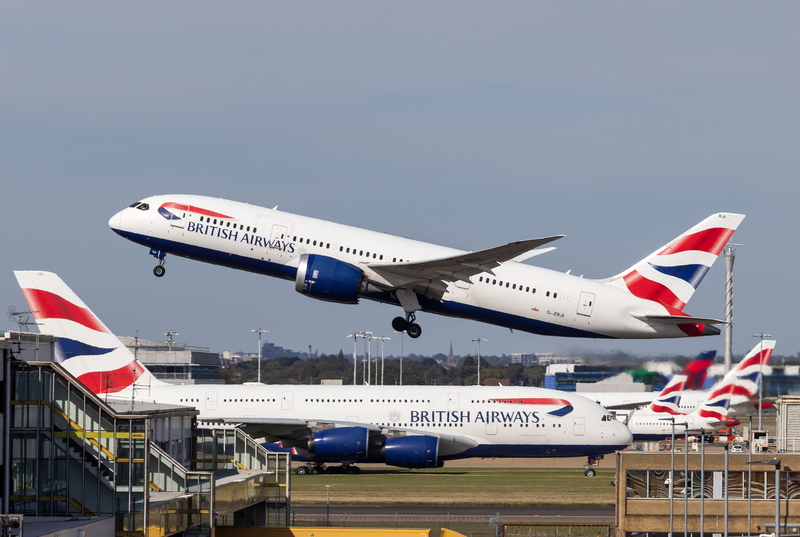
British Airways has tightened its onboard conduct rules by explicitly prohibiting passengers from photographing, filming, or livestreaming cabin crew and other airline colleagues without their consent.
For most travelers, this will not change much. People can still take pictures of their seat, meal, wing view, or cabin features. But the update matters because British Airways has moved the rule into its formal Conditions of Carriage, which means the airline is no longer treating this as a casual courtesy issue. It is now framing unauthorized filming as unacceptable onboard behavior with real consequences.
That is what makes the move significant. This is not just a social-media etiquette reminder. It is now part of the contract between airline and passenger.
Read our stories in your inbox
Two aviation newsletters. Zero fluff.
The Key Change Is That Consent Now Sits At The Center
The most important part of the policy is simple: passengers cannot record crew members or other airline staff without permission.
That applies not just to obvious phone filming, but also to livestreaming and wearable recording devices. In practical terms, British Airways is making clear that the cabin is not an open-content environment where any interaction with staff can automatically be turned into social media material.
For crew, that is a meaningful shift in protection. Over the last several years, smartphones, discreet cameras, and livestreaming have made it much easier for routine onboard moments, or tense ones, to be recorded and posted instantly, often stripped of context.
This Is About More Than Passenger Manners
British Airways is not doing this in a vacuum.
Airlines have become increasingly concerned that crew members are being turned into unwilling subjects of viral clips, customer complaint videos, and confrontation content. Even when a recording begins as a passenger’s attempt to “document” an event, it can still create privacy issues, workplace stress, and reputational damage for employees who have little control over how the footage is edited or shared.
That is why this rule matters more than it might first appear. British Airways is not just protecting onboard decorum. It is trying to protect staff from harassment, privacy breaches, and being involuntarily pushed into social-media narratives.
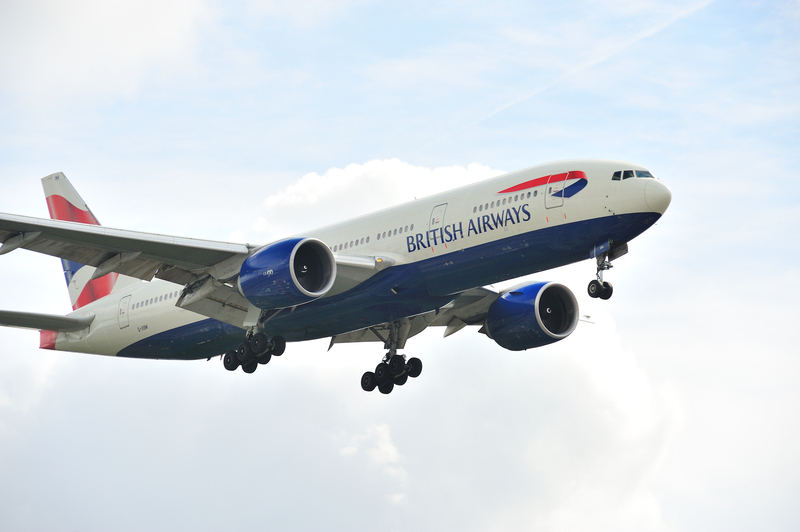
The Consequences Can Be More Serious Than A Warning
One reason this has attracted so much attention is that British Airways has tied the rule to broader unacceptable-behavior powers.
That means the airline can do more than simply ask a passenger to stop filming. It can take whatever reasonable measures it considers necessary to stop the conduct, and that can include stronger consequences if the situation escalates. Depending on the circumstances, passengers could face denial of onward travel, removal after landing, or referral to authorities.
That is a material difference from an informal crew request. Once a rule is embedded in the Conditions of Carriage, it becomes much easier for the airline to justify firmer action.
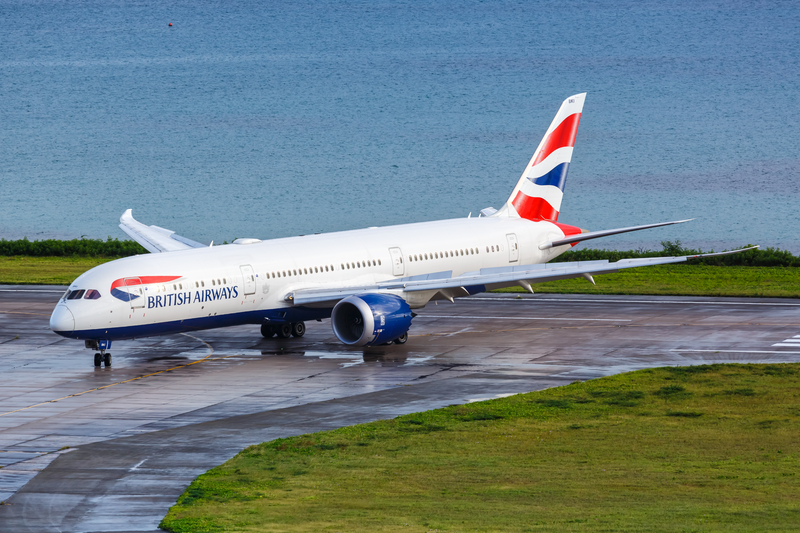
This Does Not Ban All Photography Onboard
It is worth being precise here, because some coverage risks making the policy sound broader than it is.
British Airways is not banning all onboard photography. Passengers are still generally free to take personal photos and videos of their travel experience, provided they are not recording crew or other people without consent and are not interfering with cabin operations.
So this is not a blanket anti-camera policy. It is a targeted privacy and conduct rule focused on people, not cabins.
That distinction matters because many travelers now routinely document flights, premium cabins, and inflight service. British Airways is not trying to stop that entirely. It is drawing a line around who can be recorded without permission.
Why The Timing Makes Sense
The timing is also notable.
As airlines improve onboard connectivity, including faster Wi-Fi and more reliable browsing, the risk of real-time conflict content rises. A passenger no longer has to wait until after landing to post or stream a confrontation. The ability to record and publish instantly makes airlines much more sensitive to how crew interactions are captured.
That does not necessarily mean British Airways introduced the rule because of one single event. It more likely reflects a broader shift in how airlines view the cabin environment in the smartphone era.
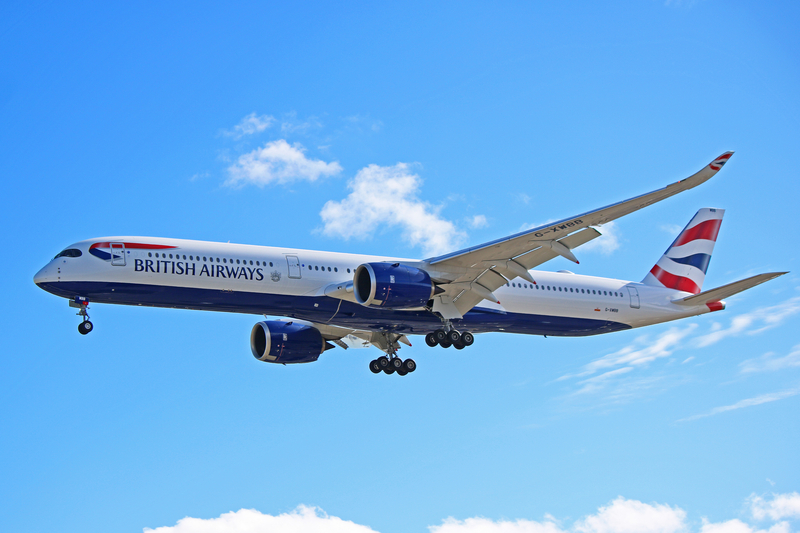
Other Airlines Have Been Moving In A Similar Direction
British Airways is not alone in this.
Other carriers have already moved toward stronger anti-filming language or more explicit crew announcements about not recording staff and fellow passengers without permission. Some airlines already restrict photography to personal use only, while others give crew wide discretion to stop filming onboard if privacy or safety concerns arise.
What makes the British Airways move stand out is not that the idea is unique. It is that the airline has written it directly into its formal carriage conditions and linked it to serious enforcement options.
That makes the policy clearer, firmer, and harder to dismiss.
For Passengers, The Practical Rule Is Very Simple
In practice, the rule is easy to follow.
Take photos of your trip if you want. Photograph your seat, your meal, the cabin, the view outside, or your own travel moments. But if a crew member is going to be in the frame in any meaningful way, ask first. And if the answer is no, stop there.
That is the real standard British Airways is trying to establish: onboard recording is no longer assumed to be acceptable just because someone has a phone in their hand.
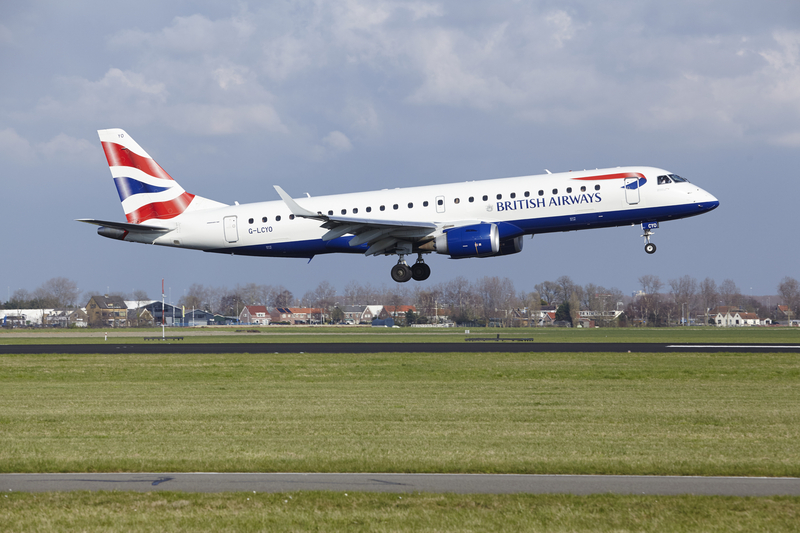
Bottom Line
British Airways has made unauthorized filming of cabin crew and other airline colleagues an explicit breach of onboard conduct rules, turning what might once have been handled as a courtesy issue into a contractual passenger obligation.
For most travelers, this will not affect normal inflight photography. But it does change the balance around privacy, consent, and social-media behavior onboard. And because the rule now sits in the airline’s Conditions of Carriage, passengers should assume British Airways is prepared to enforce it more seriously than before.
Keep reading FlyMag
Get the Daily Brief in the morning or the Route Watch weekly recap on Fridays. Or both.