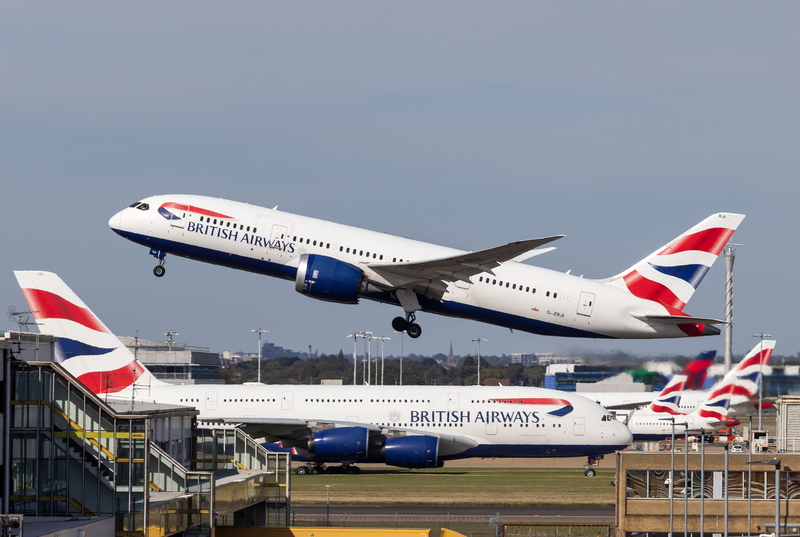
British Airways is making a notable set of network cuts, removing 19 international routes from its current schedule snapshot between summer 2026 and early 2027. On the surface, that sounds severe for the UK’s largest long-haul airline. In practice, the picture is more nuanced.

This is less a broad retreat than a restructuring of where British Airways wants to fly from, especially across London. A number of routes are not disappearing from the airline entirely. Instead, they are shifting between Heathrow Airport (LHR), Gatwick Airport (LGW), and the group’s lower-cost units. What emerges is a clearer strategy: concentrate premium long-haul flying at Heathrow, be more selective at Gatwick, and push thinner leisure markets to lower-cost platforms where possible.
The Big Picture Behind The Cuts
British Airways remains one of Europe’s most important intercontinental airlines, and by far the UK’s dominant long-haul operator. That is exactly why these cuts matter.
Read our stories in your inbox
Two aviation newsletters. Zero fluff.
When BA removes 19 international routes, it is not usually because the airline is shrinking in a general sense. It is because management believes aircraft, crews, and slots can be used more effectively elsewhere. That is especially true in London, where airport economics, slot values, and competitive positioning often matter as much as raw passenger demand.
The route changes show an airline becoming more disciplined about which airport should serve which market.
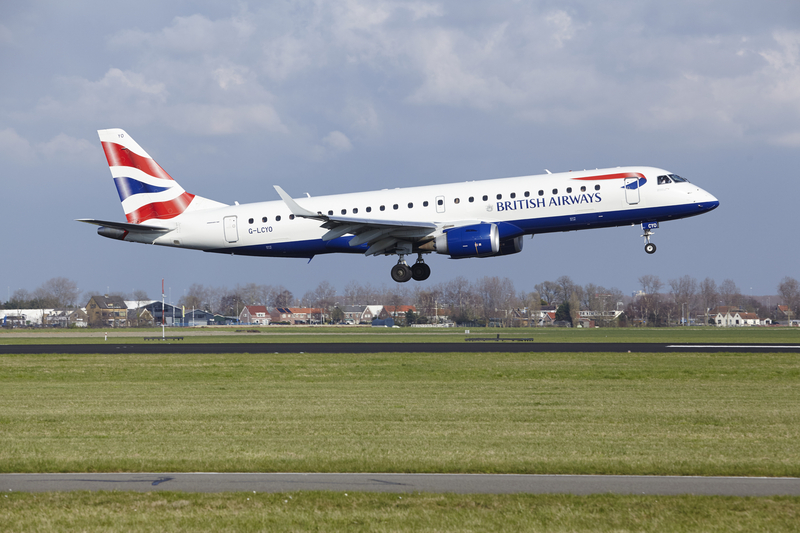
Seven Long-Haul Routes Have Gone
The most visible changes are on long-haul flying, where seven routes have been removed.
From Heathrow, British Airways has ended:
- Jeddah
- Kuwait
From Gatwick, BA has ended:
- Aruba
- Cape Town
- Las Vegas
- New York JFK
- San José, Costa Rica
That is an important list, but it needs context. In several cases, BA is not abandoning the market. It is consolidating it at Heathrow or adjusting airport strategy rather than walking away entirely.
Jeddah is perhaps the most interesting Heathrow cut. While regional instability is an obvious factor, it is unlikely to be the only one. Riyadh remains a much stronger premium and corporate market for BA, and the airline is clearly prioritizing Saudi flying where yields are stronger.
Kuwait is more striking historically, given how long BA had served the market. Its removal suggests the route no longer fits the group’s current long-haul priorities, at least under present conditions.
Gatwick Is Losing Long-Haul Breadth
The Gatwick cuts say even more about British Airways’ current thinking.
Aruba, Cape Town, Las Vegas, New York JFK, and San José all disappear from LGW. With the exception of Aruba, most of these are either moving to Heathrow or being absorbed into a more Heathrow-centric strategy. That is the real pattern here.
Gatwick is still important to BA, but not as a second Heathrow. The airline increasingly appears to want Gatwick focused on markets that fit a more price-sensitive or leisure-heavy model, while Heathrow takes the stronger premium and long-haul business demand.
That is why some of these cuts are better understood as consolidation than cancellation.
The U.S. Network Is Actually Getting More Concentrated, Not Smaller
At first glance, losing Gatwick service to New York JFK and Las Vegas looks like a pullback from the U.S. It is not.
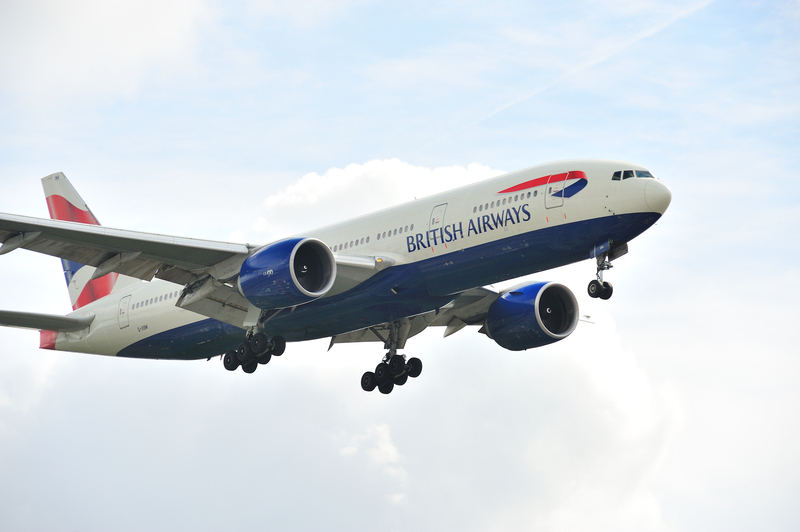
British Airways is actually concentrating even more U.S. flying at Heathrow, where it can better leverage premium demand, partnerships, and slot value. The airline is expected to operate a record 50 daily U.S. services this summer, which makes clear that America is not the issue. Airport allocation is.
This is a classic Heathrow decision: if a route works, BA would rather fly it from the airport that gives it the strongest pricing power and network feed.
Eleven Short-Haul Routes From London Have Also Been Removed
The short-haul changes are broader in number, though generally less dramatic in strategic impact.
BA no longer operates from Heathrow to:
- Cologne
- Grenoble
- Istanbul Sabiha Gökçen
- Izmir
- Riga
- Stuttgart
It has also ended or shifted:
- Heathrow to Kalamata
- Gatwick to Salerno
- London City to Frankfurt
- London City to Prague
- Stansted to Amsterdam
Again, these are not all pure exits. Kalamata remains in the wider BA system, but through BA Euroflyer at Gatwick instead of BA mainline at Heathrow. That is a good example of what is really happening here: route realignment by platform and airport, not necessarily wholesale market abandonment.
BA Euroflyer And CityFlyer Are Becoming More Important To The Network Shape
One of the clearest lessons from these changes is that British Airways is increasingly using its sub-brands and operating units more precisely.
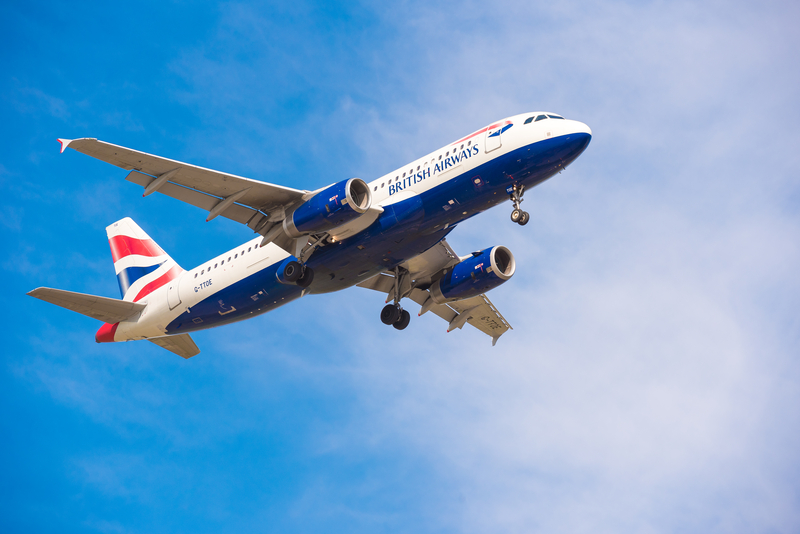
BA Euroflyer, based at Gatwick, is being used for thinner leisure markets such as Kalamata. CityFlyer, traditionally tied to London City, has also seen its own network evolve as certain routes no longer fit. This is less about reducing destinations and more about matching routes to the right cost base.
That matters because not all BA flying is equal anymore. Mainline Heathrow flying has one set of economics. Euroflyer at Gatwick has another. These cuts show BA leaning harder into that distinction.
Only One Non-London Route Has Gone
Outside London, British Airways has removed just one route:
- Edinburgh to Olbia
That is revealing in itself. BA’s non-London network is tiny, seasonal, and highly tactical. Losing Edinburgh–Olbia appears to have been influenced in part by easyJet entering the market, which made the route harder to justify for BA’s weekend CityFlyer operation.
The limited scale of these non-London cuts reinforces the broader conclusion: this network reset is overwhelmingly about London strategy.
What The Cuts Actually Mean
It would be easy to frame this as British Airways cutting 19 international routes because demand is weak. That would be too simplistic.
What BA is really doing is:
- prioritizing Heathrow for premium long-haul flying
- reducing long-haul breadth at Gatwick
- pushing selected leisure routes to BA Euroflyer
- trimming short-haul routes that no longer justify mainline economics
- avoiding duplication where lower-cost competitors are stronger
That is not a retreat from international flying. It is a refinement of where and how BA wants to fly internationally.
Bottom Line
British Airways’ 19 route cuts look dramatic, but the underlying story is one of network discipline rather than broad contraction. Long-haul flying is being pulled closer to Heathrow, Gatwick is becoming more selective, and lower-cost operating units are taking on a bigger role in thinner leisure markets.
The route list is real, and in some cases significant. But British Airways is not getting smaller in any simple sense. It is becoming more concentrated, more airport-specific, and more deliberate about where each part of the airline belongs.
Keep reading FlyMag
Get the Daily Brief in the morning or the Route Watch weekly recap on Fridays. Or both.