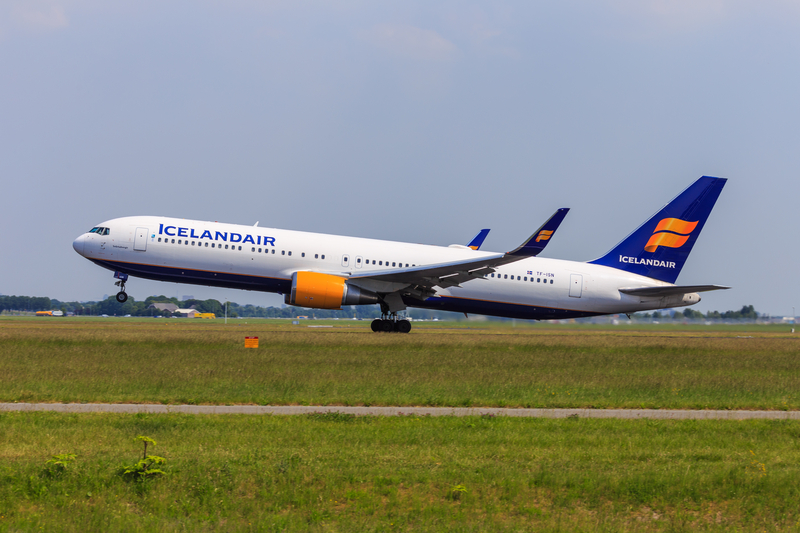
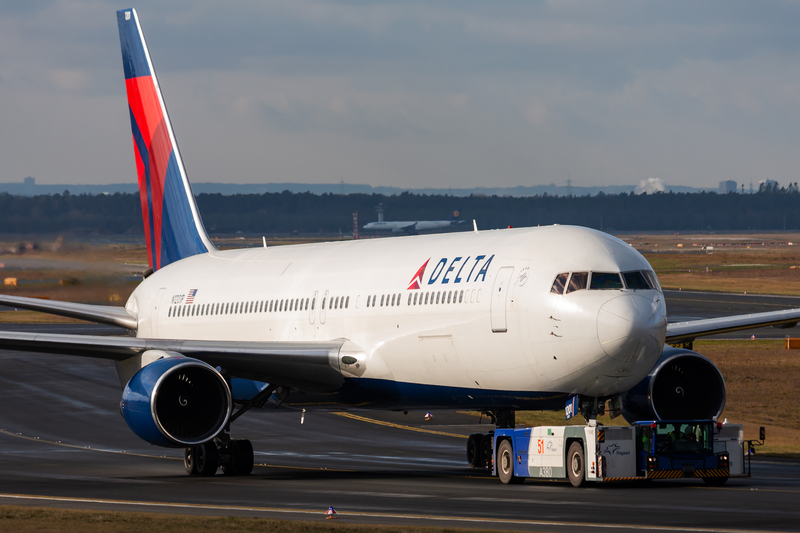
Icelandair will end widebody operations by retiring its remaining Boeing 767-300ER fleet by the end of 2026, pulling the sunset forward from a previously signaled 2029 exit. The move streamlines the carrier around two single-aisle families—Boeing 737 MAX and Airbus A321LR—and doubles down on the Keflavik (KEF) hub-and-spoke model across North America and Europe.

What’s Changing—And When
-
Widebody exit: All 767-300ERs out by YE2026 (fleet of three today).
-
Near-term fleet actions (2025): Removal of four 757-200s and one 767-300ER.
Read our stories in your inbox
Two aviation newsletters. Zero fluff.
-
2026 follow-ups: Two additional 767-300ERs and further 757-200 draw-downs depart the roster.
-
Summer 2026 target state: All-narrowbody operation of 40+ aircraft, centered on 737 MAX and A321LR.

Why Retire The 767s Early
Running a three-frame widebody subfleet is disproportionately expensive. Maintaining dedicated crews, spares, tooling, and MRO lines for so few aircraft creates outsized fixed costs and operational fragility. Exiting widebodies:
-
Lowers CASM on the stage lengths Icelandair flies most.
-
Reduces complexity, aiding on-time performance during irregular ops at Keflavik (KEF).
-
Reallocates capital toward growth and reliability on the MAX/A321LR narrowbody backbone.
Network Strategy: Frequency Over Gauge
Icelandair’s competitive edge is high-frequency, mid-length flying via Keflavik (KEF), stitching together North America and Europe with efficient single-aisle aircraft. The plan trades a handful of widebody departures for more daily options on narrowbodies—better matching demand on “thinner” transatlantic city pairs while preserving connectivity to major gateways such as Boston (BOS), New York JFK (JFK), Toronto Pearson (YYZ), Seattle (SEA) and key European capitals.
The Narrowbody Tools
-
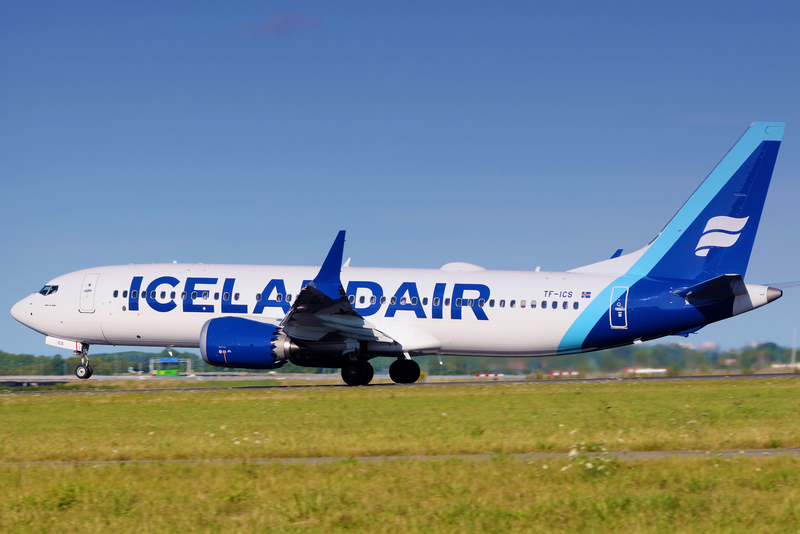
Boeing 737 MAX (737-8/9 family): Suited to KEF-to-East Coast and mid-Europe sectors with strong fuel burn economics and modern cabins.
-
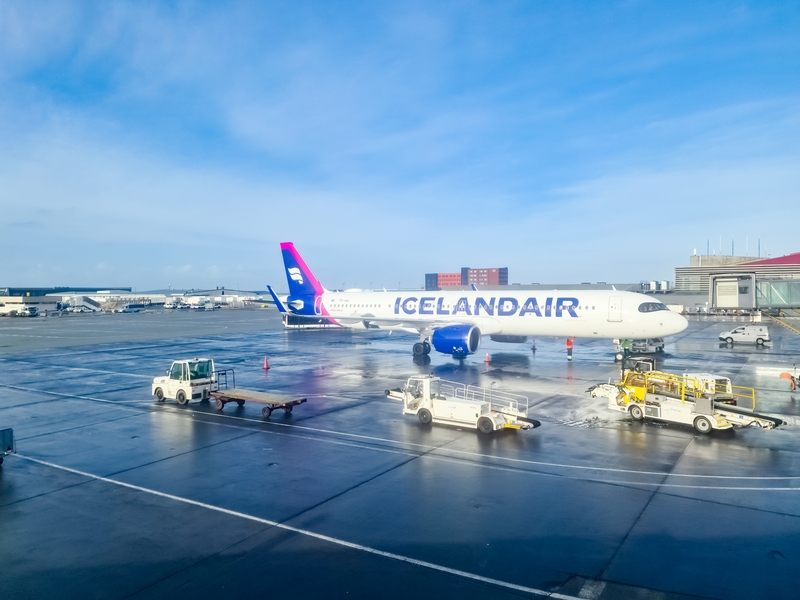
Airbus A321LR: Extended range opens up longer KEF–continental Europe and KEF–North America markets beyond the 737 MAX envelope, with transatlantic performance in a single-aisle footprint.
What Passengers Will Notice
-
More frequencies, fewer widebody one-offs. Expect additional single-aisle departures on popular days/times rather than isolated 767 peaks.
-
Newer cabins and quieter rides on the 737 MAX and incoming A321LR, plus more consistent interiors system-wide.
-
Trade-offs: Narrowbodies mean narrower fuselages and aisles versus the 767; Icelandair hasn’t offered lie-flat seating on the 767, so long-haul seat type consistency should actually improve rather than downgrade.
Operational And Commercial Implications
-
Reliability: Simplifying to two families tightens spare coverage and crew scheduling, which should reduce misconnects at Keflavik (KEF) during weather or ATC disruptions.
-
Cargo: Belly capacity per flight drops versus a 767-300ER, but higher frequencies help smooth flows during peak export/import windows.
-
Financials: Cutting a loss-making subfleet and focusing on gauge-right aircraft aligns capacity with demand volatility—critical after a soft profit year.
What To Watch
-
A321LR induction pace and how quickly Icelandair stretches the network into new or longer thin-haul markets.
-
757-200 retirements and whether additional 737 MAX frames backfill shoulder-season capacity.
-
KEF bank structure: Expect schedule refinements that tighten transatlantic and Europe banks for shorter total journeys.
Bottom Line
Icelandair will retire the 767-300ER by 2026 and move to an all-narrowbody fleet built around the 737 MAX and A321LR, centering everything on Keflavik (KEF). The reset favors frequency, simplicity, and lower unit costs over widebody breadth—aimed at more reliable operations and healthier margins on the transatlantic and European routes where Icelandair competes best.
Keep reading FlyMag
Get the Daily Brief in the morning or the Route Watch weekly recap on Fridays. Or both.