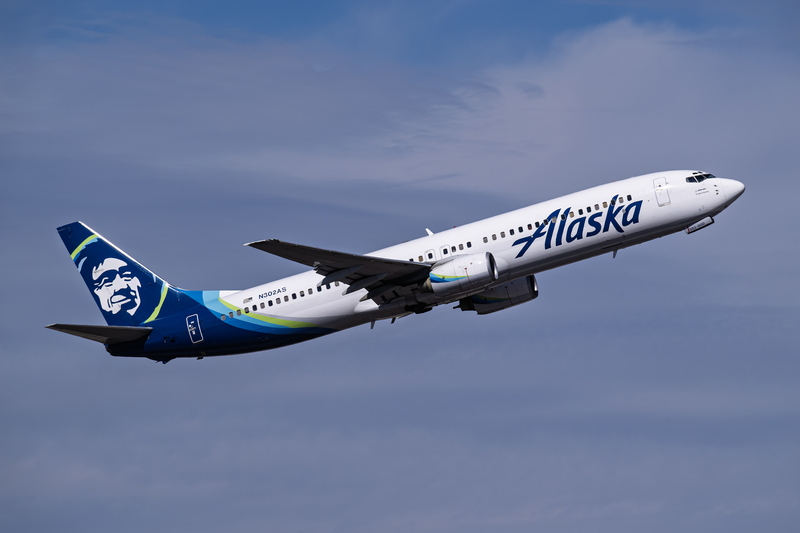
Alaska Airlines has launched its first-ever nonstop service to London Heathrow Airport (LHR), a route that marks not only the airline’s debut in the United Kingdom but also one of the most strategically important long-haul additions in its history.

The new flight from Seattle-Tacoma International Airport (SEA) began on May 21, 2026, operating daily with the Boeing 787-9 Dreamliner. For Alaska, this is more than just another transatlantic route. It is a major statement about what Seattle is becoming inside the airline’s network and about how serious the carrier now is as a long-haul international player.
For aviation readers, the significance is clear: Heathrow is not just any European city. It is the one that proves Alaska now wants to compete in the highest-profile premium long-haul markets.
Read our stories in your inbox
Two aviation newsletters. Zero fluff.
Heathrow Is The Real Milestone
Alaska had already entered Europe with its Seattle–Rome launch earlier in 2026, but London is different.
Rome was notable because it was a new market and because it pushed Alaska across the Atlantic. Heathrow, however, carries a different weight. It is one of the world’s most slot-constrained and commercially important airports, and winning access there is difficult even for much larger airlines. Launching into Heathrow therefore feels less like experimentation and more like a declaration of intent.
That is why this route matters so much more than a simple destination count might suggest.
Seattle Is Strong Enough To Support It
The logic behind the route is solid.
Seattle already had a large local market to London, supported by business travel, technology-sector demand, premium leisure traffic, and strong transatlantic connectivity. That makes Heathrow a natural fit for Alaska’s growing global ambitions from SEA. The route is not being launched into a thin, speculative market. It is entering a city pair with a real volume base and a clear premium component.
That matters because long-haul growth only becomes durable when the local market is strong enough to support it in its own right.
The Boeing 787-9 Is The Right Aircraft For This Kind Of Launch
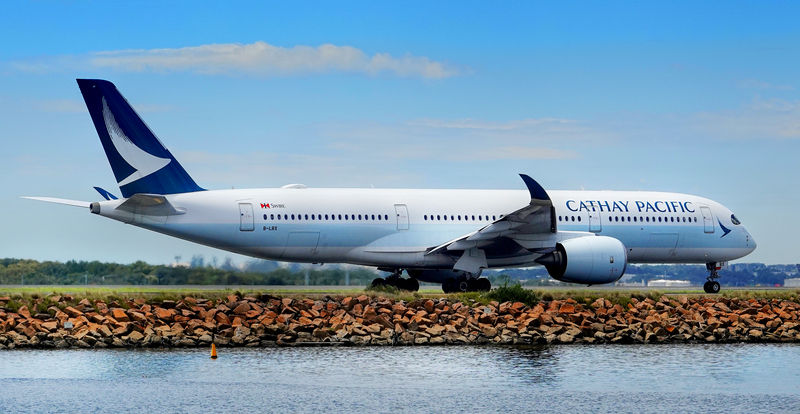
Alaska is operating the route with the Boeing 787-9, which is exactly the sort of aircraft it needs for a market like Heathrow.
The 787-9 gives the airline long-haul range, a modern premium product, and the right scale to compete on a major route without overextending. It also reinforces that Alaska is not trying to be a low-cost transatlantic experiment. It is trying to look credible in one of the world’s toughest long-haul arenas.
That makes the aircraft choice as important as the route itself.
Heathrow Slots Were Never Going To Be Easy
Part of what makes this launch especially notable is that it required a workaround to happen at all.
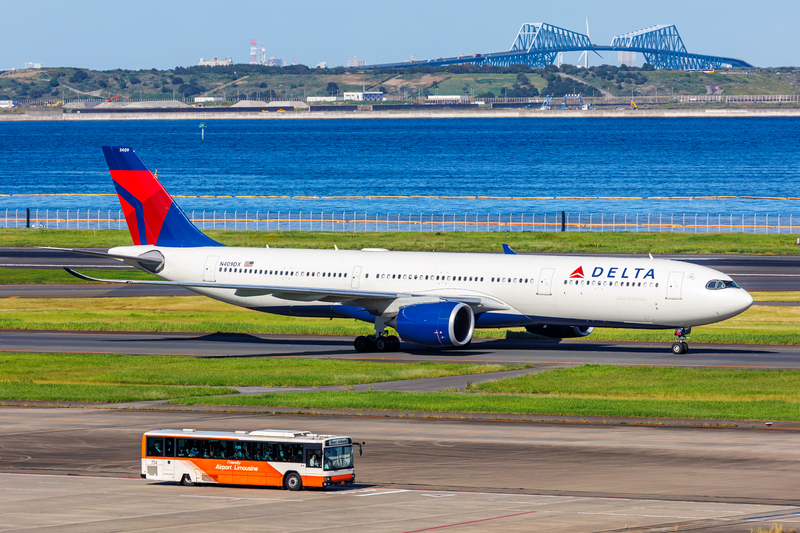
Heathrow slots are famously scarce, and Alaska was not able to secure them through the ordinary allocation process. Instead, the airline is using slots leased from American Airlines, which reflects both Heathrow’s scarcity and the value of Alaska’s oneworld relationships.
That matters because the route did not simply appear because Alaska wanted it. It had to be strategically enabled.
London Is A Strong Fit For Alaska’s Broader Long-Haul Push
The Heathrow launch also makes more sense when viewed inside Alaska’s wider international plan.
The airline has been steadily building Seattle into its long-haul gateway, and London is exactly the kind of route that gives that strategy credibility. A transatlantic network that includes Rome, London, and soon Iceland is no longer a novelty. It begins to look like a real global platform.
That is especially important for a carrier that for years was largely seen as a strong domestic and West Coast airline rather than an intercontinental one.
Competition Will Be Intense
The route is not opening in a quiet market.
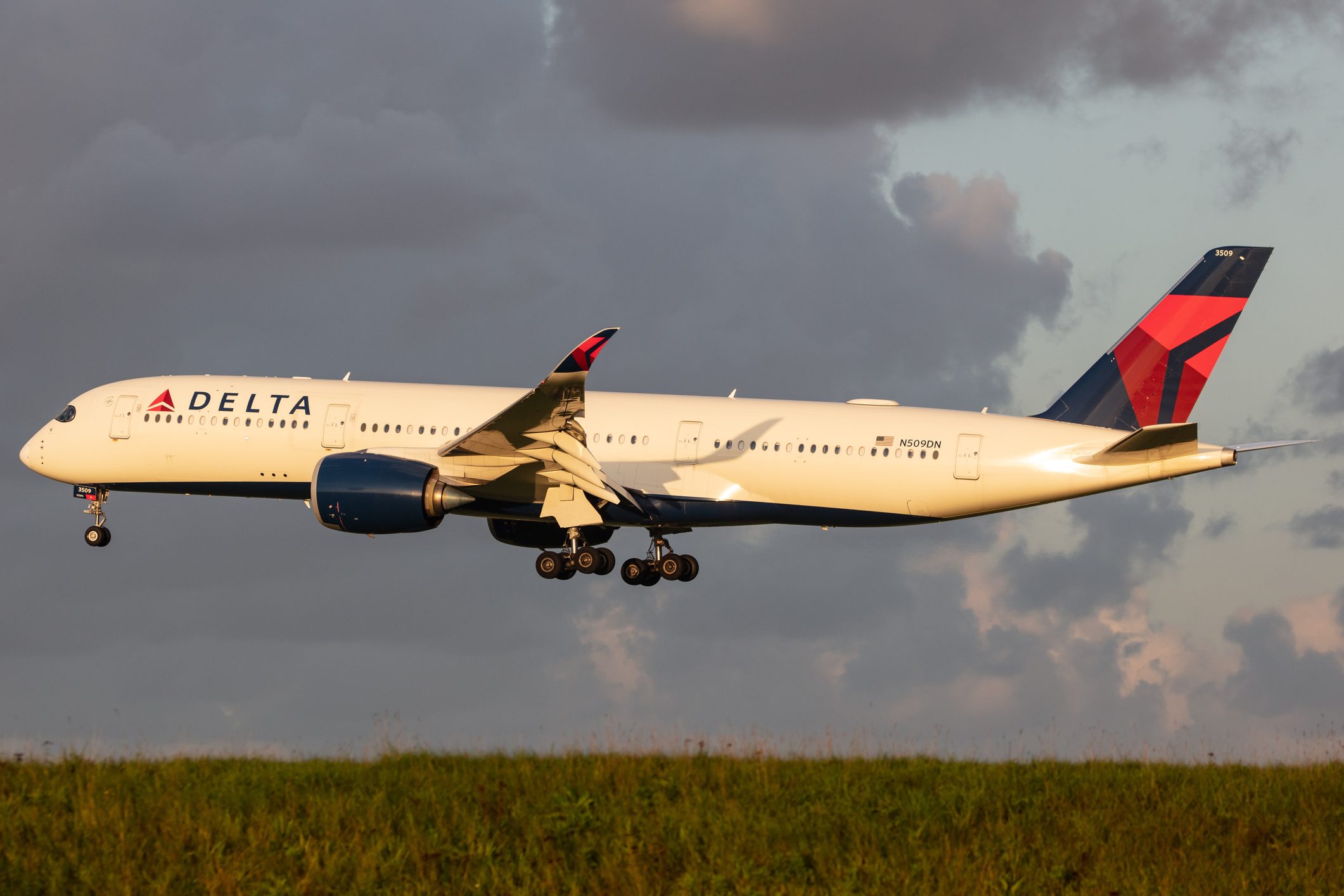
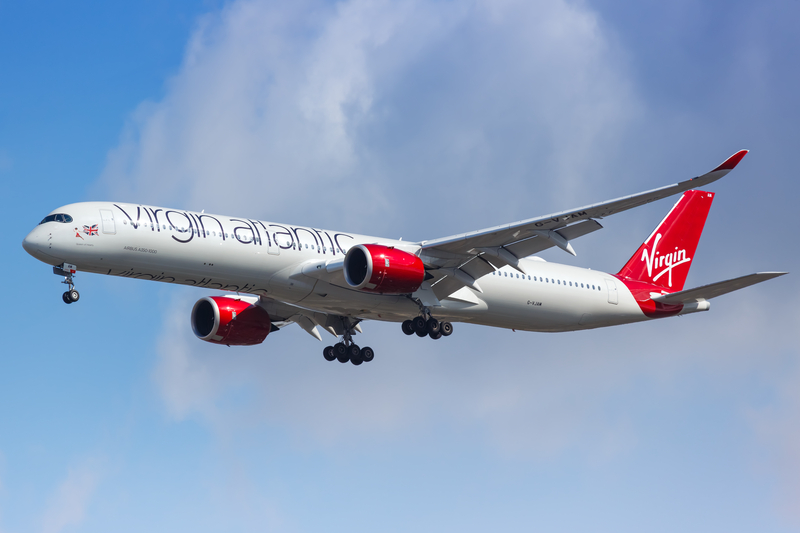
Seattle–London is already a competitive corridor, with British Airways, Delta, and Virgin Atlantic all serving the broader market. Alaska’s entry means that the route becomes even more crowded, but it also means the airline believes it has enough of a local base, enough network feed, and enough premium relevance to make that competition worth entering.
That is not a defensive move. It is an offensive one.
This Is Really About What Seattle Can Become
The bigger story may not be London at all. It may be Seattle.
Alaska is clearly trying to turn SEA into a far more important international hub, and Heathrow is one of the clearest indicators yet of that ambition. Once an airline is flying daily to London on its own metal, it is no longer simply testing long-haul service. It is building a serious international identity around its home gateway.
That is what makes this launch feel so significant.
Bottom Line
Alaska Airlines’ first-ever nonstop service between Seattle and London Heathrow is one of the most important flights the carrier has ever launched. It gives the airline a flagship European route, strengthens Seattle’s role as its global hub, and places Alaska into one of the world’s most competitive and strategically valuable long-haul markets.
Rome may have opened the transatlantic door. Heathrow is the route that makes the strategy feel real.
Keep reading FlyMag
Get the Daily Brief in the morning or the Route Watch weekly recap on Fridays. Or both.