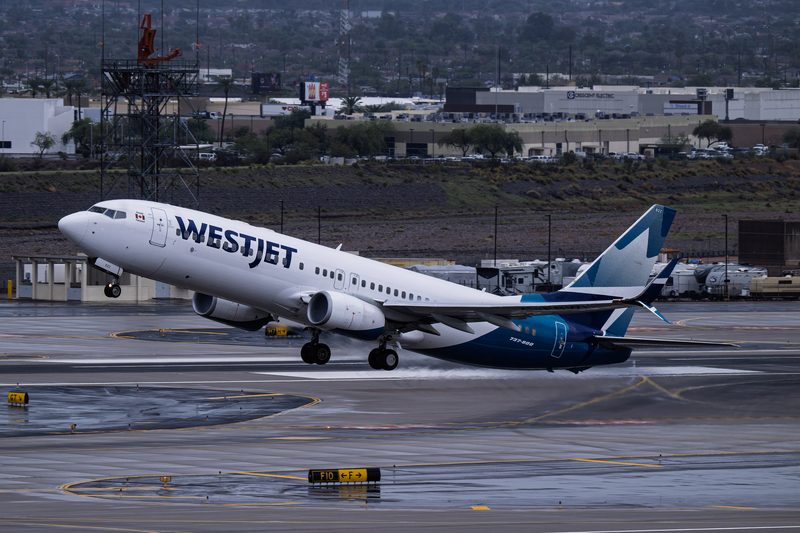
WestJet is reversing its controversial Boeing 737 cabin densification plan after weeks of backlash over tighter seat pitch and reduced comfort. The carrier will stop installing the 180-seat layout on additional aircraft and will reconfigure the 22 jets already modified back to its prior, more spacious setup.

What WestJet Is Changing
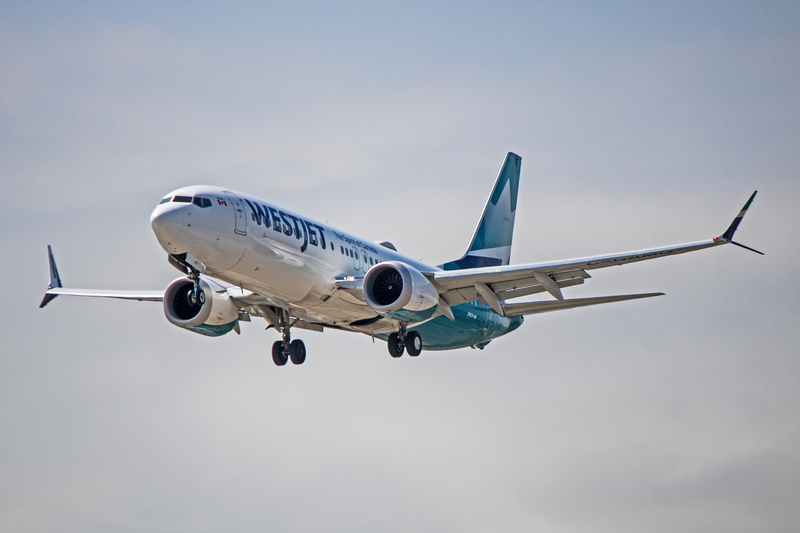
WestJet’s standard Boeing 737-800 and 737 MAX 8 configuration typically totals 174 seats, split between:
-
12 business class seats
Read our stories in your inbox
Two aviation newsletters. Zero fluff.
-
162 economy seats
A separate subfleet of WestJet 737s operates in an all-economy 189-seat layout.
Under the now-canceled plan, WestJet was converting those all-economy aircraft into a new two-cabin 180-seat layout (12 business + 168 economy) by adding an extra row of economy seating.
Why The 180-Seat Layout Sparked Backlash
To fit the additional row, WestJet reduced economy legroom significantly. While seat pitch varied by row, most passengers reportedly faced:
-
29 inches of pitch in many rows
-
28 inches in others
That is exceptionally tight for a non-ULCC, especially on longer flights.
The controversy escalated further because most economy seats in the new layout did not recline, with recline reportedly limited to a smaller extra-legroom section sold at a surcharge. Public reaction intensified after a viral video showed passengers struggling with the lack of space—particularly on a longer leisure route where customers didn’t expect such a restrictive cabin.
WestJet initially defended the change by arguing the layout was in line with “industry standards” and helped enable lower fares. But the optics and customer expectations didn’t match the airline’s brand positioning.
What Happens To The Aircraft Already Reconfigured
WestJet had planned to retrofit 43 aircraft in total:
-
22 already in service with the 180-seat layout
-
21 more awaiting conversion
Now, the airline is halting the program entirely. The 21 aircraft still awaiting the new layout will no longer receive it.
Meanwhile, the 22 aircraft already modified will return to the shop to be converted back to the 174-seat layout. WestJet intends for those jets to keep the newer seat models while restoring the previous cabin layout that aligns with its typical narrowbody product.
Why WestJet Is Backing Down
The core issue is positioning. WestJet is widely seen as a hybrid carrier, competing on value while still offering a more “mainline” experience than ultra-low-cost carriers. A 28–29 inch pitch and widespread no-recline seating is the kind of tradeoff many travelers associate with ULCCs—not with an airline that often prices above that segment and markets a more comfortable experience.
In short: the cabin may have been technically viable, but it became a brand and trust problem—especially when customers felt blindsided by the aircraft assignment.
Bottom Line
WestJet is abandoning its tight 180-seat 737 configuration and returning affected aircraft to the airline’s prior 174-seat layout. The reversal highlights how sensitive passengers are to comfort changes—especially when an airline’s brand promise doesn’t match an ultra-dense, low-recline economy experience.
Keep reading FlyMag
Get the Daily Brief in the morning or the Route Watch weekly recap on Fridays. Or both.