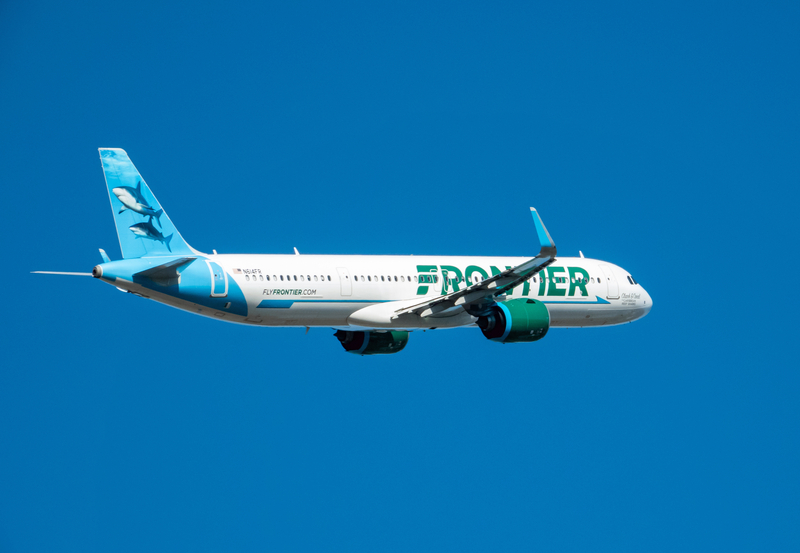
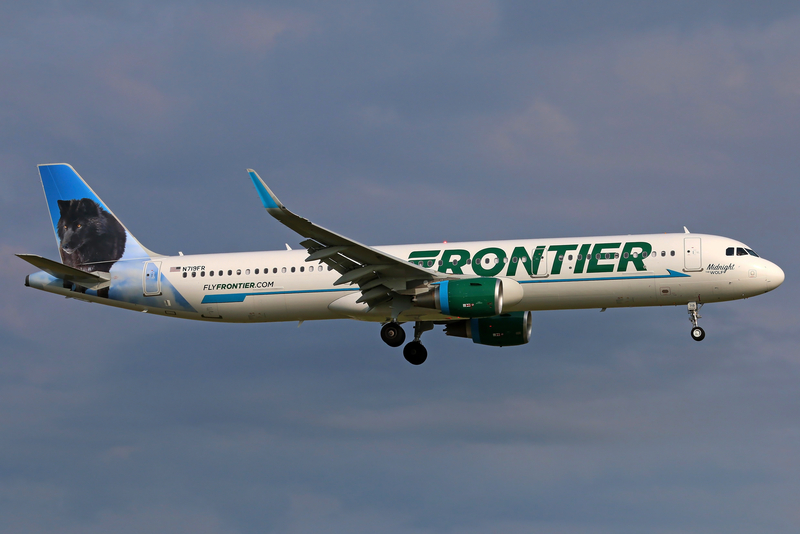
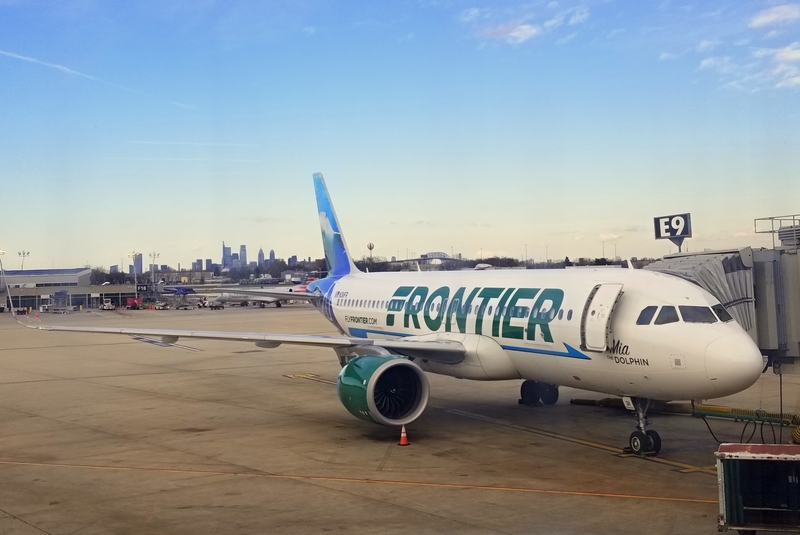
Frontier Airlines is moving fast to capitalize on Spirit Airlines’ shutdown, adding nine routes and 15 daily departures this summer across 18 former Spirit markets in what may be the clearest sign yet of how the U.S. ultra-low-cost landscape is being redrawn.

For Frontier, this is not just opportunistic schedule growth. It is a strategic effort to capture traffic, restore low-fare relevance in markets suddenly missing Spirit, and improve its own revenue outlook at a moment when fuel costs remain painfully high.
That is why the expansion matters. Frontier is not merely filling empty gates. It is trying to inherit part of Spirit’s role.
Read our stories in your inbox
Two aviation newsletters. Zero fluff.
Frontier Sees A Clear Opening
On its latest earnings call, Frontier’s leadership made clear that the airline believes it is the best-positioned carrier to step into markets Spirit once dominated.
That logic is easy to understand. Frontier and Spirit overlapped heavily, served many of the same kinds of leisure-heavy and price-sensitive routes, and competed for many of the same travelers. With Spirit gone, Frontier is the most obvious surviving ultra-low-cost substitute in much of the U.S. market.
That does not mean Frontier can simply recreate Spirit overnight. But it does mean the airline sees immediate room to grow where its biggest direct competitor just disappeared.
The Focus Is On Former Spirit Strongholds
Frontier says the additional flying will be concentrated across 18 former Spirit markets, with particular emphasis on airports such as:
- Orlando International Airport (MCO)
- Las Vegas Harry Reid International Airport (LAS)
- Dallas/Fort Worth International Airport (DFW)
- Fort Lauderdale-Hollywood International Airport (FLL)
- Detroit Metropolitan Airport (DTW)
That route map tells you a lot. Frontier is not spreading growth randomly across the system. It is targeting exactly the kinds of airports where Spirit had the strongest brand recognition, the biggest fare impact, and the most visible customer base.
In other words, this is a market-share grab where the overlap already existed.

The Revenue Opportunity Matters As Much As The Route Count
The new flying is important, but what matters even more is what Frontier believes it will do for pricing.
Management has said Spirit’s collapse should lift revenue per available seat mile by 3% to 5%, which is a meaningful number for a low-cost carrier. That is the direct result of losing a major fare suppressor. Spirit did not just compete for passengers. It pressured pricing across whole markets.
With Spirit gone, Frontier expects some improvement in fare environment even before counting any new traffic it captures directly.
That is why this expansion is as much about yield as it is about volume.

Frontier’s Timing Is Not Accidental
This move is happening now because Frontier does not want to wait for larger carriers to absorb the opportunity.
American, Delta, JetBlue, Southwest, and United have all responded to Spirit’s shutdown in various ways, whether through rescue fares, route additions, or price caps. But Frontier has the strongest structural reason to move quickly. It is the airline most likely to inherit former Spirit customers who still want an ultra-low-cost option.
That is why the expansion feels urgent. Frontier knows that if it moves too slowly, some of those customers may permanently migrate elsewhere.
There Is Still A Big Catch: Frontier Is Losing Money Too
What makes the move more complex is that Frontier itself is not expanding from a position of financial comfort.
The airline reported $992 million in operating revenue for the first quarter but still posted an operating loss of $283 million and a net loss of $272 million. Fuel costs were a major reason. So while Spirit’s collapse creates opportunity, it does not remove Frontier’s own structural pressure.
That is important because it explains why management is being careful in how it talks about growth. Frontier is adding flying, but still emphasizing disciplined capacity deployment rather than a wholesale land grab.
Spirit’s Exit Helps — But It Does Not Solve Frontier’s Problems
That is the broader lesson here.
Spirit going away is clearly beneficial for Frontier in competitive terms. It reduces direct overlap, creates room for better pricing, and leaves behind a customer base that is already comfortable with the ultra-low-cost model. But Frontier still has to operate in a high-fuel environment, still has to restore profitability, and still has to avoid making the same mistake Spirit made: adding too much capacity at too little revenue.
So the expansion is promising, but it is not a cure-all.
Bottom Line
Frontier is moving aggressively after Spirit’s collapse, adding nine routes and 15 daily departures across 18 former Spirit markets with a clear focus on places like Orlando, Las Vegas, Dallas/Fort Worth, Fort Lauderdale, and Detroit.
The strategy makes sense. Frontier is the natural airline to absorb part of Spirit’s old low-fare customer base, and management believes the disappearance of its biggest direct rival will lift revenue by 3% to 5%. But the airline is still losing money, and fuel remains a serious problem.
That makes this expansion important for two reasons. It is an opportunity — and a test. Frontier now has a chance to grow into the gap Spirit left behind. The bigger question is whether it can do so without repeating the same economics that brought Spirit down.