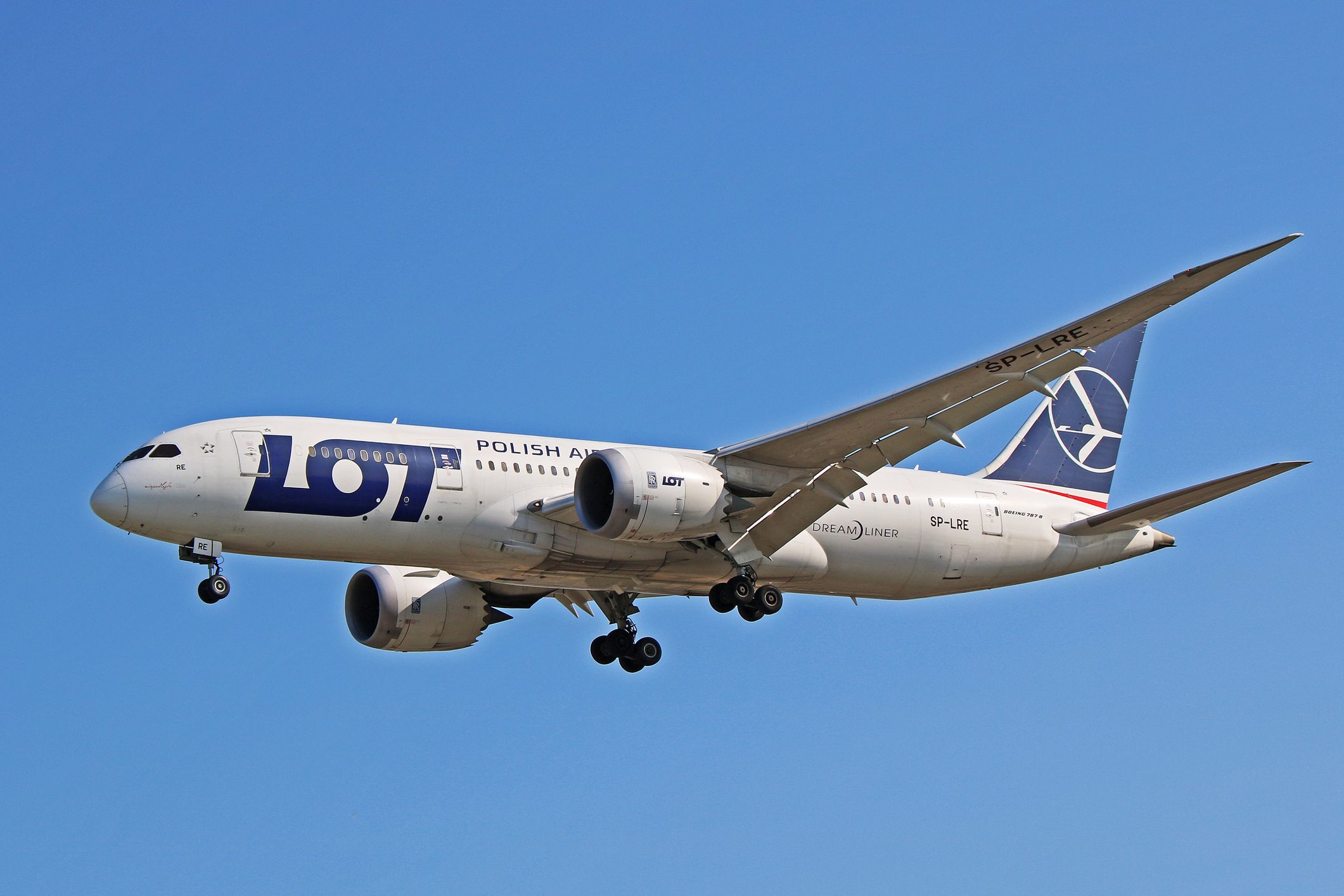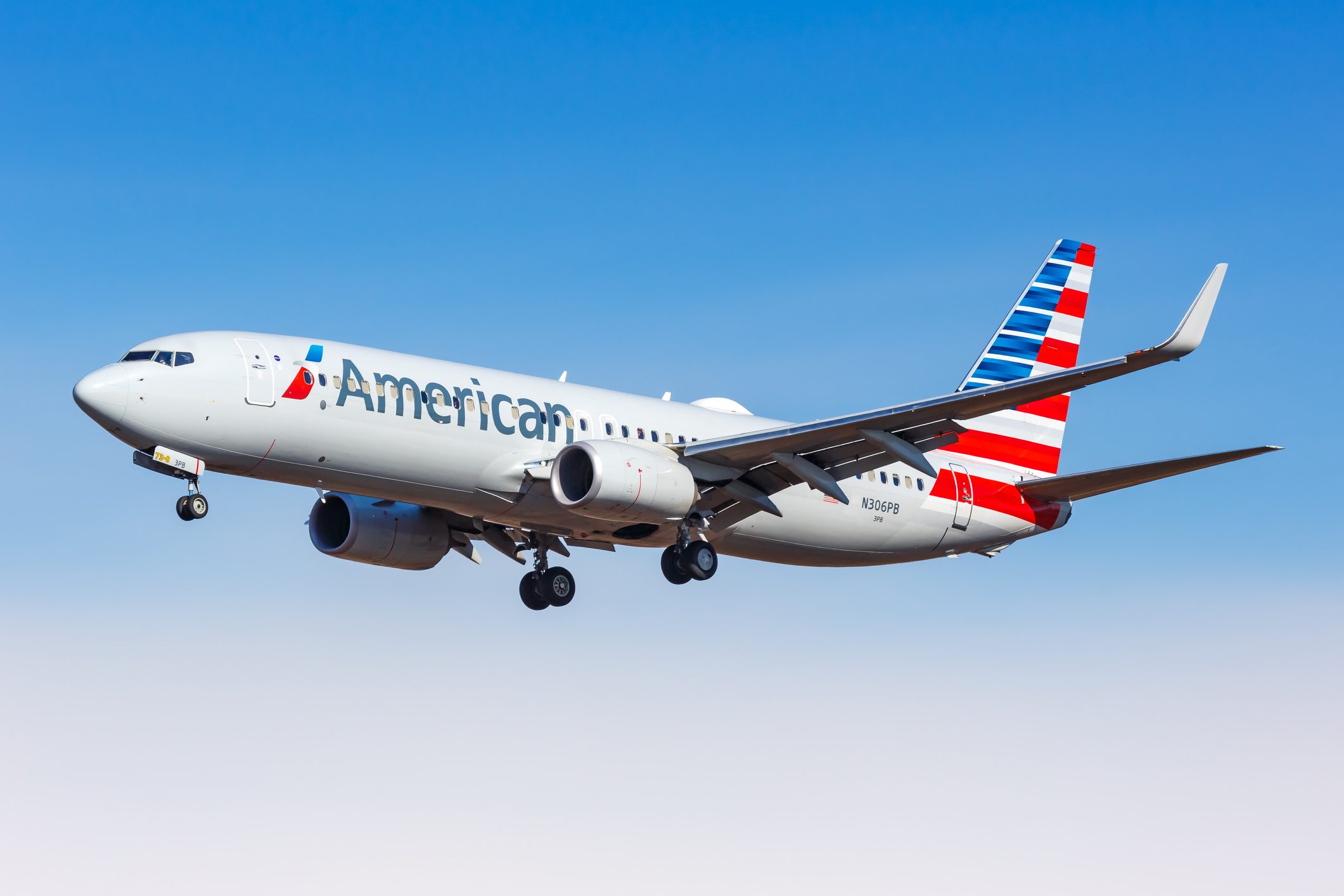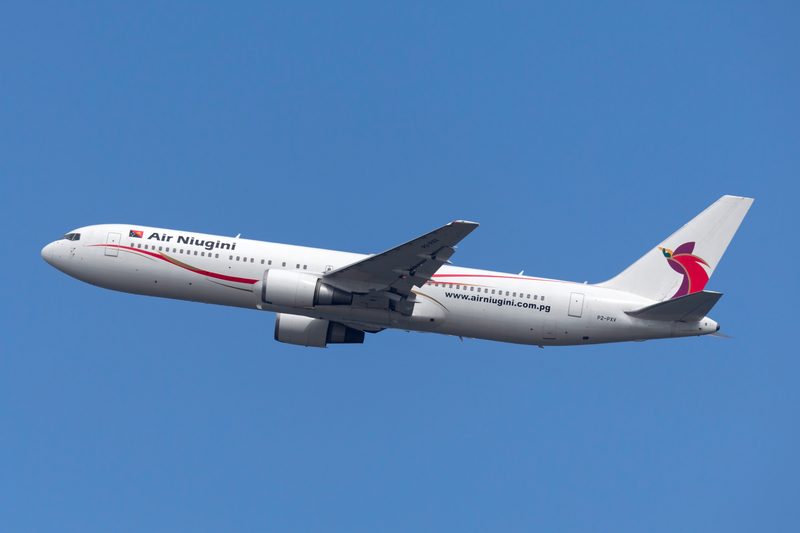
Air Niugini (NF) has canceled its long-planned order for two Boeing 787-8 Dreamliners, a decision that lands at an awkward moment for Papua New Guinea’s flag carrier as it works through a broader fleet transition centered on its hub at Port Moresby (POM).

The 787-8s were intended to replace Air Niugini’s aging Boeing 767-300ER fleet and underpin a next phase of international growth across the wider Pacific and Asia. With the 767s already flagged for retirement within the fleet plan, the cancellation leaves the airline without a confirmed like-for-like long-haul replacement—at least for now—raising immediate questions about interim lift, route coverage, and how the carrier protects its long-haul identity while it refocuses on narrowbody modernization.
Why the 787 mattered: replacing the 767 and expanding beyond POM
The Boeing 787-8 is a true long-range widebody designed for thinner long-haul missions—precisely the sort of aircraft that can help a small carrier sustain international flying without overcommitting capacity. For Air Niugini, the plan was straightforward:
Read our stories in your inbox
Two aviation newsletters. Zero fluff.
-
Retire the 767-300ERs that have long carried the airline’s heavier international flying.
-
Use the 787-8 to deliver better fuel efficiency and improved reliability on longer sectors.
-
Open up route options that become difficult to justify with older-generation widebodies—especially when maintenance events and lease terms start to dictate schedules.
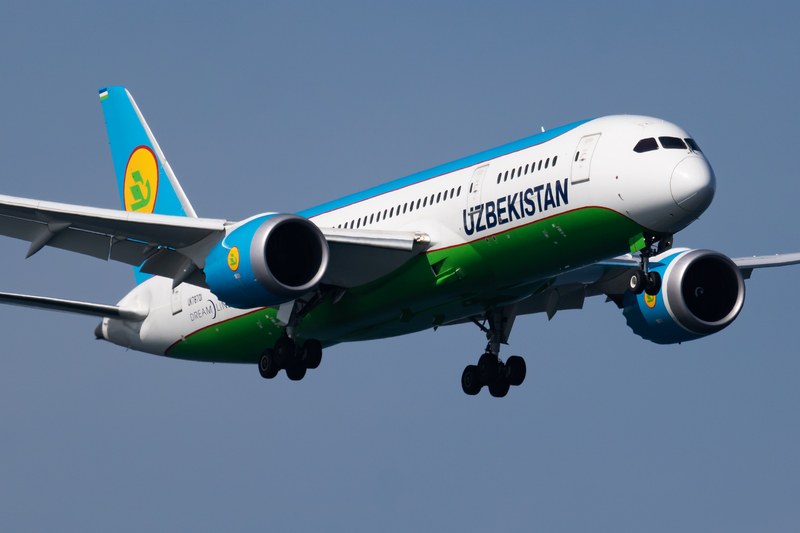
The 787’s appeal is not just fuel burn. It’s also range-and-payload margin, modern avionics, and strong dispatch reliability in mature fleets—advantages that are amplified when you operate only a small number of long-haul aircraft and have limited spare coverage.
The immediate operational consequence: a widebody “bridging” problem
Air Niugini still has to cover the practical reality of international demand and aircraft availability. Without the two 787-8s arriving, the airline’s options narrow to a few familiar pathways airlines use in transitional years:
-
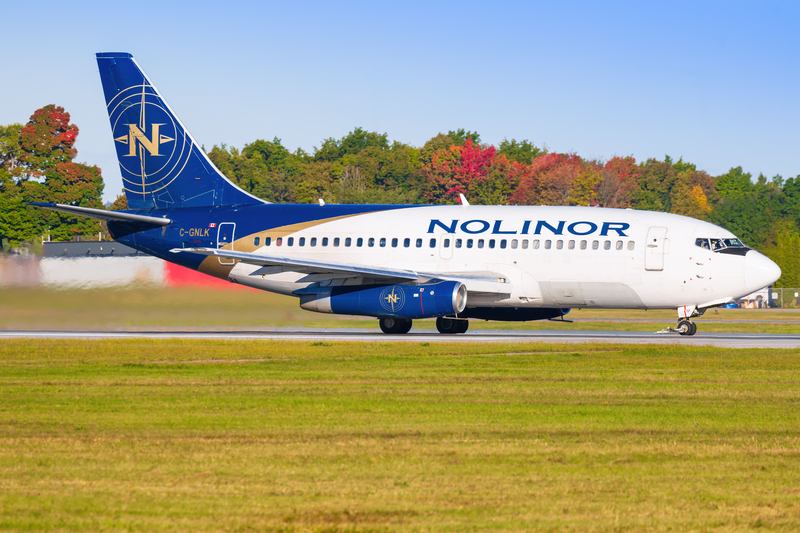
Extend or renegotiate existing 767-300ER flying (often the simplest operationally, but not always possible depending on leases and maintenance status).
-
Wet-lease a widebody seasonally or for specific routes to preserve continuity from POM.
-
Down-gauge or restructure schedules using the aircraft it does have—though narrowbodies like the 737-800 and A220 aren’t widebody substitutes for longer-haul missions and capacity requirements.
This is where a carrier’s network geometry matters. Papua New Guinea’s international markets are relatively thin compared with major hubs, and flight frequency and reliability can be just as important as seat count. Losing a planned widebody renewal step introduces risk: fewer recovery options when disruptions hit, and less flexibility to maintain long-haul schedules while also modernizing domestically.
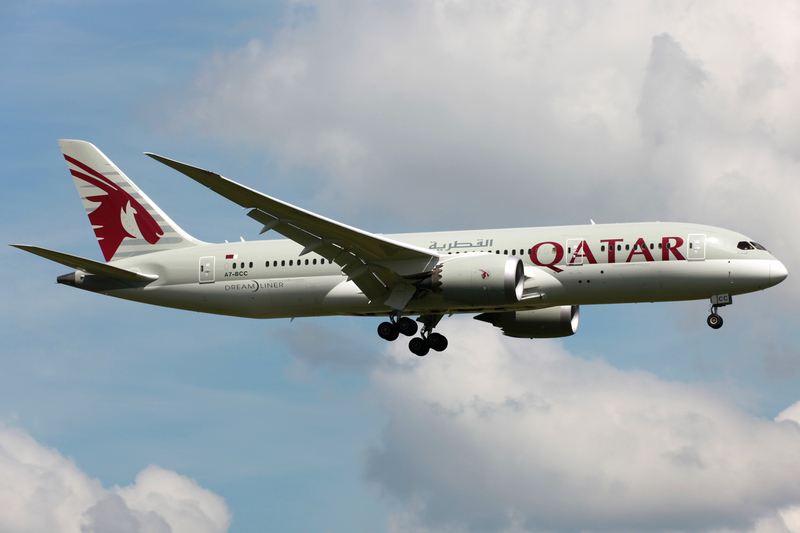
The fleet today: narrowbody modernization progressing, widebody picture uncertain
While the widebody plan is now in flux, Air Niugini has been moving aggressively on the narrowbody and regional side—critical for domestic connectivity and for feeding international demand through Port Moresby (POM).
Current fleet composition (as described by the airline’s recent disclosures and fleet reporting) includes:
-
Airbus A220-300 (in service)
-
Boeing 737-800
-
Boeing 767-300ER (the current widebody backbone)
-
Dash 8 turboprops (domestic network workhorses)
-
Fokker 70 / Fokker 100 (still present in the fleet mix)
On the orderbook side, the biggest committed pillar is the Airbus A220-100, with eight aircraft on direct order that are expected to form the core of the airline’s domestic and regional renewal. Air Niugini has also been adding A220 capacity through leasing structures, allowing it to scale faster without waiting solely on new-build deliveries.
The story, in other words, is mixed: short- and medium-haul modernization is real and underway, while long-haul replacement is the unresolved piece.
Leadership change: Alan Milne returns to the cockpit of the turnaround
The fleet decision also lands amid a leadership reset. Alan Milne returned as Air Niugini’s CEO on February 16, stepping back into the role after previously leading the carrier from 2018 to 2020. The board has framed the near-term focus as stabilizing operations and profitability, while preparing the airline for a future partial privatization at the right time.
In practical airline terms, that means Milne inherits a dual problem set:
-
Keep the airline operationally resilient—especially around widebody availability and peak-season scheduling.
-
Maintain momentum on the A220-led renewal program while ensuring the long-haul plan doesn’t become a lingering vulnerability.
What this signals about Air Niugini’s strategy
Canceling a 787 order doesn’t automatically mean Air Niugini is abandoning long-haul ambitions. It does suggest the carrier is re-evaluating risk and capital commitment in an environment where widebody procurement has become more complicated—financially, operationally, and logistically.
For a small airline operating from POM, fleet simplicity and reliability matter disproportionately. A two-aircraft widebody subfleet is inherently fragile: one heavy maintenance check, one AOG event, or one lease disruption can wipe out long-haul integrity. If the airline could not secure the right terms, delivery timing, or risk profile, cancellation—while disruptive—may reflect a choice to avoid an overcommitted bet.
Bottom Line
Air Niugini’s cancellation of its two Boeing 787-8 orders removes the planned successor to its Boeing 767-300ER fleet just as the airline is modernizing aggressively elsewhere with Airbus A220 deliveries centered on Port Moresby (POM). The immediate challenge is widebody continuity: whether through extended 767 operations, wet-leased bridging lift, or schedule restructuring, the airline now has to protect its international footprint without the Dreamliner it once positioned as the centerpiece of that future. With Alan Milne returning as CEO and the airline balancing operational stability with longer-term restructuring goals, what comes next will be defined less by ambition and more by the practical reality of securing dependable long-haul capacity on terms Air Niugini can sustain.
Keep reading FlyMag
Get the Daily Brief in the morning or the Route Watch weekly recap on Fridays. Or both.