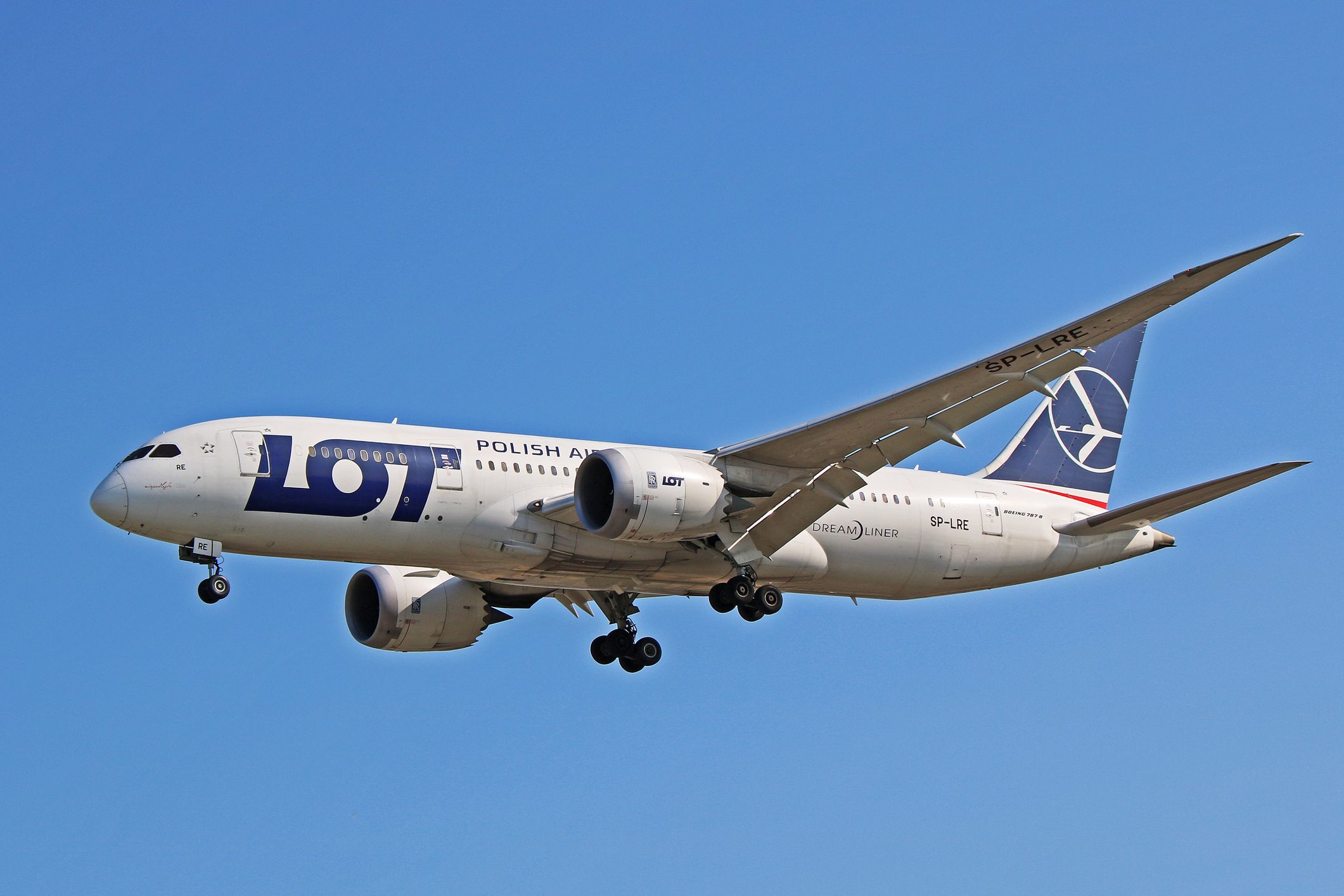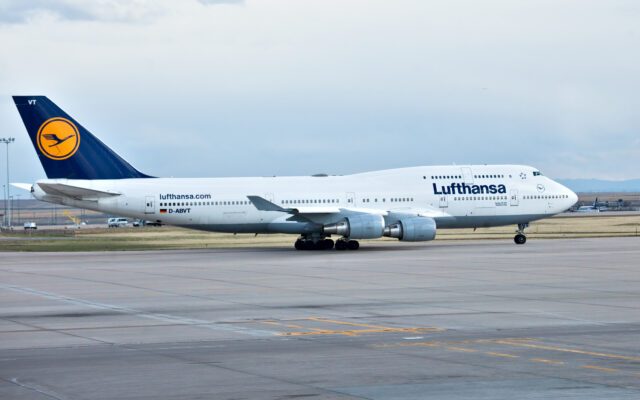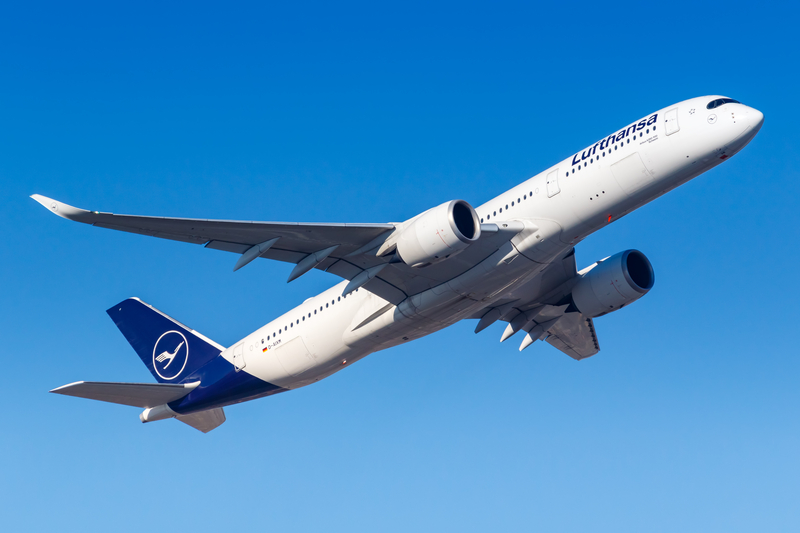
Lufthansa Group has approved a major new long-haul aircraft order, committing to 10 Airbus A350-900s and 10 Boeing 787-9s in a deal the group values at about $7.7 billion at list prices.

The aircraft are scheduled for delivery between 2032 and 2034, which makes this less an immediate fleet fix than a long-term strategic bet. Lufthansa is not buying capacity for next summer. It is positioning the group’s fleet for the next decade.
For aviation readers, the most important point is not just that Lufthansa ordered 20 more widebodies. It is that the group is continuing to spread its long-haul future across both Airbus and Boeing while still pushing toward a more efficient, more standardized fleet.
Read our stories in your inbox
Two aviation newsletters. Zero fluff.
The Order Mix Is Very Deliberate
The order includes:
- 10 Airbus A350-900s
- 10 Boeing 787-9s
That is a notably balanced split, and it tells you Lufthansa still sees value in keeping both manufacturers central to its long-haul strategy. The A350-900 and 787-9 sit in broadly similar parts of the market in terms of long-haul capability, but they bring different strengths in fleet planning, deployment flexibility, and existing group integration.
This is not a case of choosing one winner. Lufthansa is doubling down on both.
These Aircraft Are Meant To Replace Older Long-Haul Jets
Lufthansa has made clear that the new jets are intended to replace older aircraft still flying in the group from 2032 onward.
That matters because this is ultimately a fleet-renewal order more than a growth order. The group still has several older long-haul types whose economics become increasingly difficult to justify over time, especially as fuel efficiency, maintenance costs, and emissions pressure continue to shape strategic decisions.
So while the headline is 20 new aircraft, the deeper story is what they are replacing.

Lufthansa Has Not Said Which Airlines Will Get Them
One key detail remains open: Lufthansa has not yet identified which airlines inside the group will receive the new aircraft.
That is important because Lufthansa Group is not a single operating airline. It includes multiple long-haul brands and platforms, and aircraft allocation can carry a lot of strategic meaning. The group may ultimately use the A350s and 787s in different subsidiaries depending on hub strategy, fleet commonality, certification progress, and which aircraft are being phased out where.
For now, the order is group-level. The internal distribution remains undecided, at least publicly.
This Is Also About Standardization
Lufthansa has emphasized that fleet standardization is one of the main advantages of the order.
That matters because aircraft commonality affects far more than just fuel burn. It shapes:
- maintenance complexity
- spare-parts planning
- crew training and licensing
- operational flexibility
- long-term cost structure
For a multi-airline group like Lufthansa, those factors can be especially important. A cleaner long-haul fleet structure can reduce complexity across several carriers at once, which is often where some of the biggest strategic savings emerge.
The A350 And 787 Still Fit Lufthansa’s Sustainability Message
Lufthansa is also framing the order as part of its sustainability and modernization strategy.
That is predictable, but also real. Both the A350-900 and 787-9 are significantly more efficient than the older widebodies they are expected to replace. Lower fuel burn means lower direct operating cost and lower emissions, and for long-haul fleets that is one of the few ways airlines can materially improve both economics and sustainability at the same time.
So while every airline now talks about emissions, these aircraft actually do align with that message in practical terms.
The Delivery Window Tells You This Is About Patience
The 2032–2034 delivery window is worth stressing.
That timeline means Lufthansa is planning very far ahead, and it also reflects the reality of the widebody market. Delivery slots for attractive long-haul aircraft are increasingly pushed years into the future, especially for large airline groups that want meaningful fleet scale.
In that sense, Lufthansa is not only buying aircraft. It is buying future production certainty.
The Group Order Book Is Now Very Large
With this latest purchase, Lufthansa Group’s total aircraft order book now stands at 232 aircraft.
That is a significant figure because it shows the group is still in the middle of a much wider fleet-renewal cycle rather than making one isolated purchase. The new A350s and 787s are part of a broader modernization story that stretches across narrowbodies, widebodies, and multiple airlines inside the group.
This order matters on its own, but it matters even more as part of that larger picture.
Bottom Line
Lufthansa’s new order for 10 Airbus A350-900s and 10 Boeing 787-9s is a clear sign that the group is still planning far ahead for a more efficient long-haul fleet. The aircraft will arrive between 2032 and 2034 and are intended to replace older widebody types still flying in the group.
The more interesting takeaway is that Lufthansa continues to back both Airbus and Boeing in a very balanced way, while using fleet renewal to push standardization, lower operating costs, and reduced emissions. This is not a short-term move. It is a long-range fleet decision by one of Europe’s biggest airline groups.