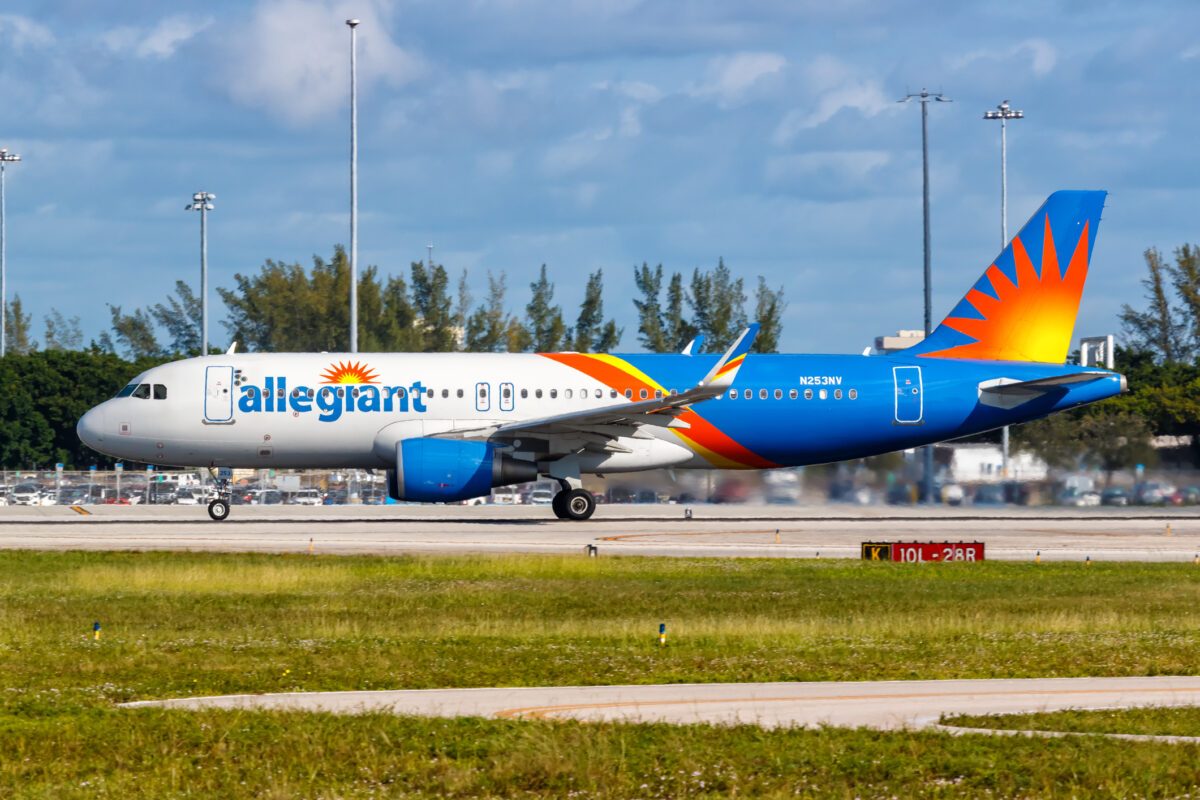
Allegiant Air is adding 11 nonstop routes at Fort Lauderdale (FLL) across a phased expansion running from February 2026 through February 2027.

The program is not a single launch event. It combines routes disclosed in four separate airline announcements, producing a mixture of established 2026 services, fall additions and short spring 2027 operations. Allegiant’s current route map lists all 11 markets from its South Florida station.
Five of the routes began in February 2026. Boston (BOS), Omaha (OMA), Pittsburgh (PIT) and Kansas City (MCI) are scheduled to follow in October. Providence (PVD) and Portsmouth (PSM) will operate for defined periods in spring 2027 rather than as permanent year-round additions.
Read our stories in your inbox
Two aviation newsletters. Zero fluff.
The 11 New Fort Lauderdale Routes
Allegiant first disclosed Chattanooga in a September 2025 route announcement. The carrier added four more FLL markets two months later, followed by four fall routes in May 2026 and the two hyper-seasonal services in August.
- Chattanooga (CHA): Began February 12, 2026.
- Chicago Rockford (RFD): Began February 12, 2026.
- Rochester (ROC): Began February 12, 2026.
- Albany (ALB): Began February 13, 2026.
- Trenton (TTN): Began February 19, 2026.
- Boston (BOS): Begins October 1, 2026.
- Omaha (OMA): Begins October 2, 2026.
- Pittsburgh (PIT): Begins October 2, 2026.
- Kansas City (MCI): Begins October 2, 2026.
- Providence (PVD): Operates from February 13 through April 24, 2027.
- Portsmouth (PSM): Operates from February 20 through May 1, 2027.
The February 2026 group came largely from a 30-route network expansion. It reflects Allegiant’s traditional geography: secondary airports such as RFD and TTN, along with medium-size origin markets where nonstop South Florida service can be concentrated on the strongest leisure days.
The October group shifts the emphasis toward larger metropolitan markets. Allegiant’s May 2026 announcement placed all four FLL additions within two days, creating a coordinated fall build-up rather than spreading capacity across the shoulder season.
Spring Flying Gets a Narrower Window
Providence and Portsmouth represent the clearest expression of Allegiant’s demand-led scheduling. Both were among seven routes that the airline formally described as hyper-seasonal in its August 2026 network announcement.
PVD-FLL is scheduled for about 10 weeks, while PSM-FLL runs for a similar period extending into early May. Those windows cover the peak period for travelers leaving New England for Florida without committing aircraft through weaker off-peak weeks.
The distinction matters. An airline can advertise a larger destination count while limiting its financial exposure through a relatively small number of carefully timed departures. For Allegiant, a route does not need daily service or year-round continuity to fill a useful role in the network. It needs enough peak-day demand to support the aircraft at the carrier’s required fare and ancillary-revenue levels.
That approach is also visible in management’s wider capacity planning. In its second-quarter 2026 results, Allegiant said it would trim off-peak flying while protecting peak-period schedules. Standalone Allegiant reduced capacity by 6.8% during the quarter but increased unit revenue by 24.6%, reinforcing the case for concentrating service rather than pursuing uniform utilization throughout the week and year.
Fort Lauderdale Becomes a Larger Allegiant Station
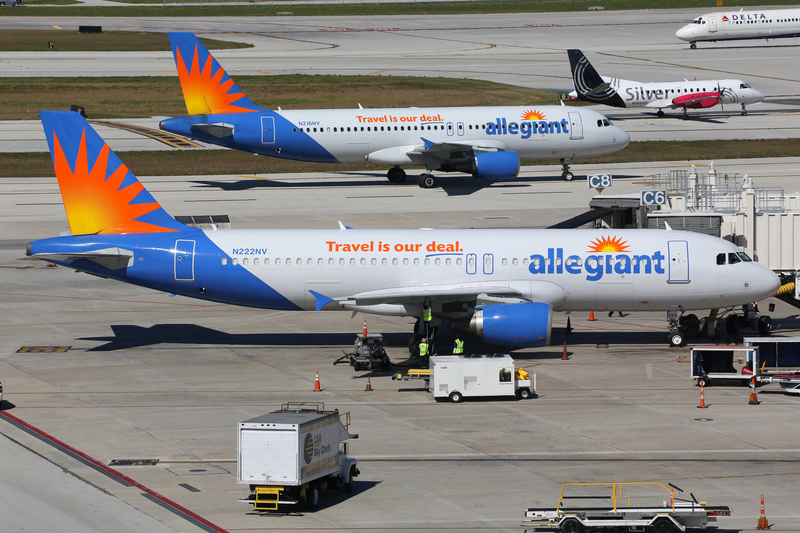
FLL handled 135,924 Allegiant passengers in April 2026, giving the airline a 4.6% share of the airport’s monthly traffic, according to Broward County Aviation Department statistics. The airport processed just under 3 million passengers that month.
Allegiant remains smaller at FLL than the airport’s leading carriers, but the new routes broaden its position beyond a handful of secondary-city links. Boston, Kansas City and Pittsburgh add sizable origin markets, while Albany, Rochester, Providence and Portsmouth deepen the airline’s exposure to seasonal Northeast-to-Florida demand.
The network also gives Allegiant several different ways to address overlapping catchment areas. Providence and Portsmouth complement Boston without using the same airport, while Trenton offers an alternative in the Philadelphia and central New Jersey region. Rockford performs a similar role west of Chicago.
Dense Narrowbodies Support the Schedule
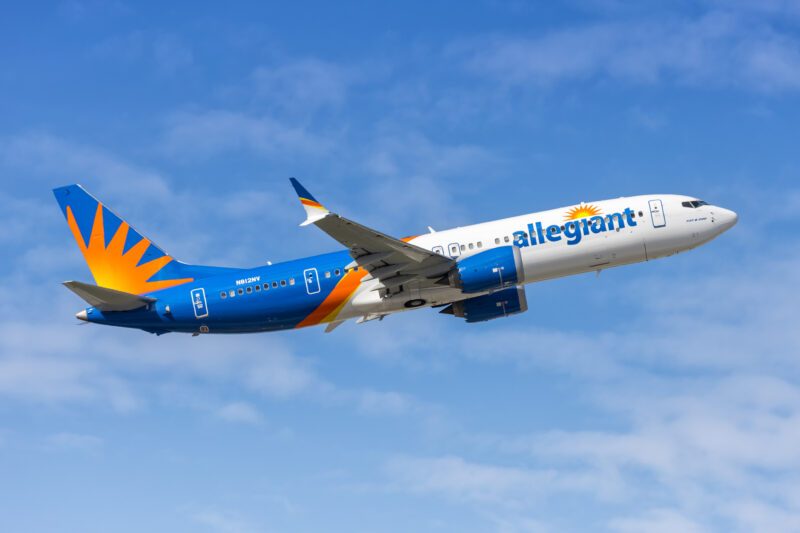
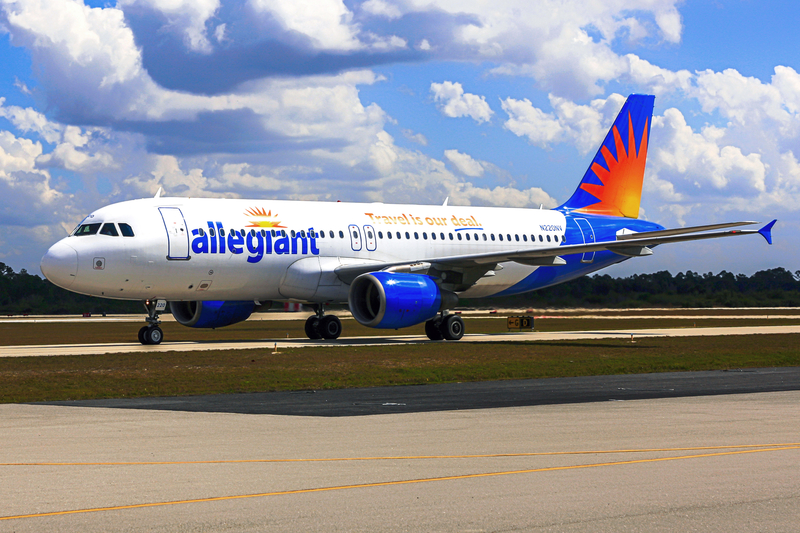
Allegiant operates Airbus A319s, Airbus A320s and Boeing 737 MAX 8-200s. Its published fleet plan at the end of the second quarter included 28 A319s, 77 A320s and 19 MAX aircraft in passenger service, with the MAX total projected to reach 25 by year-end.
The carrier’s fleet configuration data lists 156 seats on the A319, primarily 180 seats on the A320 and 190 seats on the Boeing 737-8200, the high-density MAX 8-200 variant. Allegiant averaged 177 seats per scheduled departure during the second quarter of 2026.
Those aircraft provide substantial capacity even when a route operates only a few times each week. That makes schedule placement central to the economics: a 180- or 190-seat narrowbody can serve a thin market successfully when departures are concentrated around the days and seasons passengers most want to travel.
Bottom Line
Fort Lauderdale gains a wider set of nonstop links without relying on daily frequencies to support them. The expansion is especially useful for secondary airports such as Trenton, Rockford and Portsmouth, where Allegiant can offer direct South Florida access while avoiding a head-to-head replication of the schedules available at larger neighboring airports.
For Allegiant, the 11 routes show how FLL can function as a sizable leisure station without being operated as a conventional connecting hub. Aircraft can be moved through the airport according to origin-market demand, with the longest commitments reserved for routes that hold up beyond peak travel periods. Providence and Portsmouth are the routes to watch: their limited 2027 windows will test whether concentrated spring flying can produce better returns than a longer seasonal schedule.
The October launches will provide the next indication of Allegiant’s ambitions at FLL. Boston, Omaha, Pittsburgh and Kansas City materially widen the station’s reach, but the airline’s recent capacity discipline suggests frequency and operating season will remain at least as important as the number of destinations on the map.