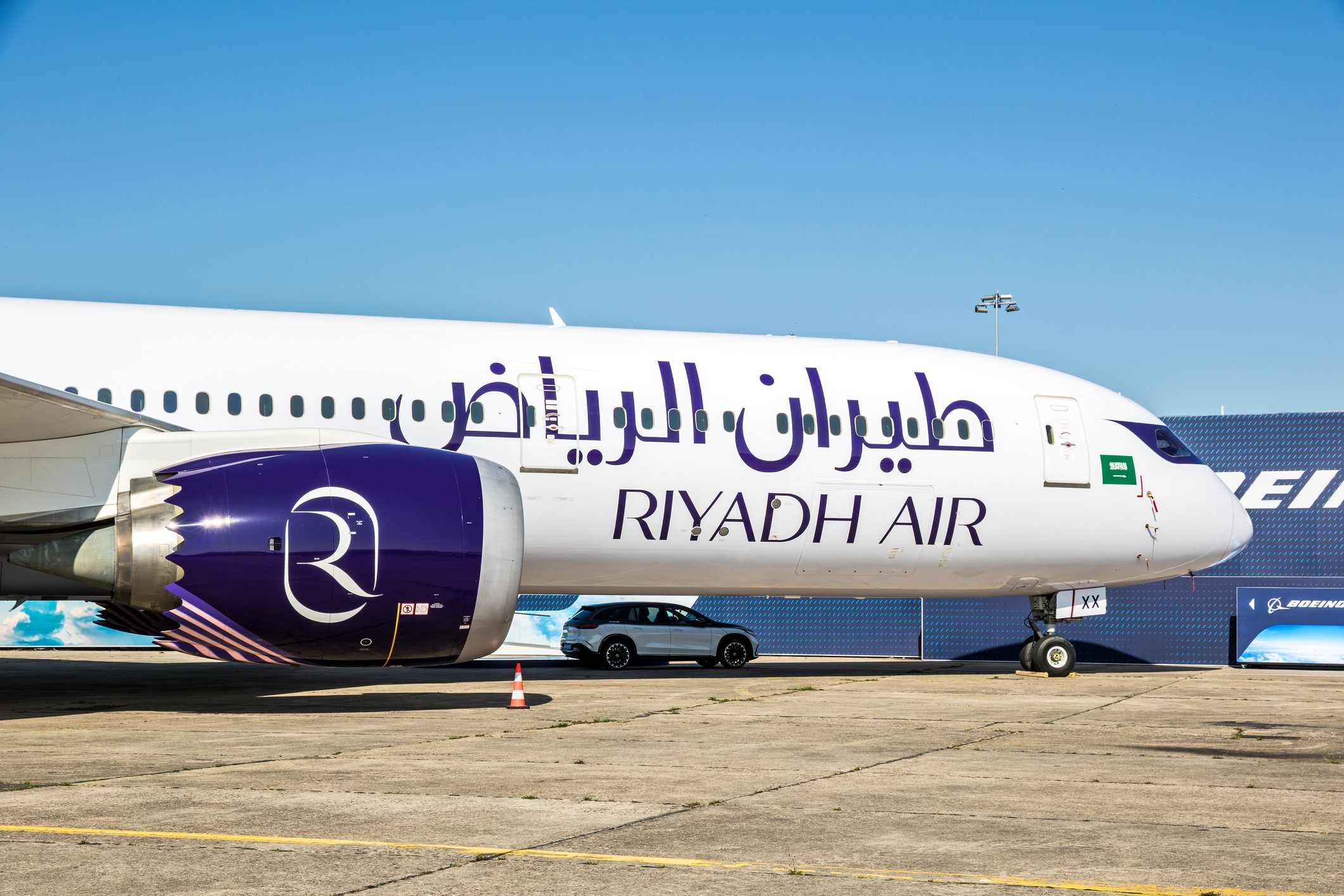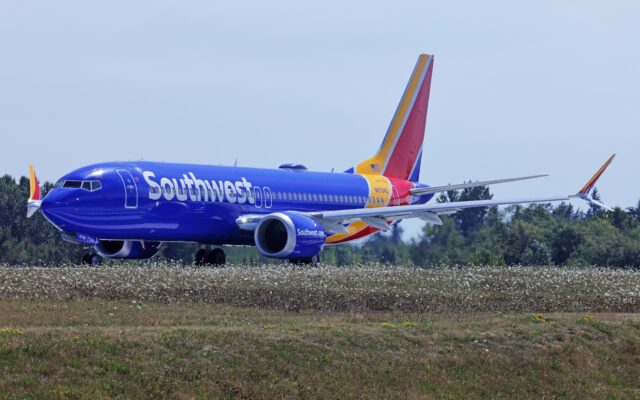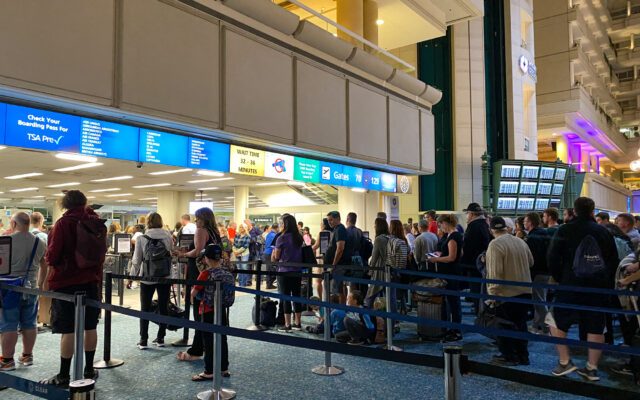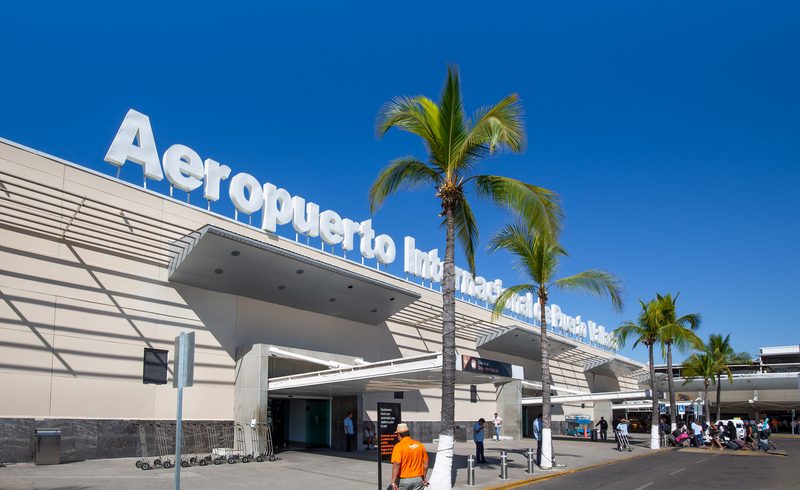
A normally busy Sunday for Mexico’s Pacific leisure markets turned into a rapid, security-driven schedule unwind after Mexican authorities said cartel leader Nemesio Oseguera Cervantes—known as “El Mencho”—was killed during a military operation in Jalisco. Within hours, reports of roadblocks, vehicle fires, and broader disruptions pushed multiple U.S., Canadian, and Mexican carriers to suspend or cancel service to Puerto Vallarta (PVR) and Guadalajara (GDL)—and, in some cases, other nearby stations.
For airline operations teams, the decision pattern was familiar: once the risk picture shifts from “localized incident” to “airport access and staffing may be compromised,” the safest move is often to stop flying until station integrity can be revalidated. Even when an airport remains technically open, an airline can’t reliably operate if crews and passengers can’t reach the terminal, if ground handling is degraded, or if authorities issue shelter-in-place guidance.
Read our stories in your inbox
Two aviation newsletters. Zero fluff.
What changed operationally at PVR and GDL
The key variable wasn’t simply the news event itself—it was the downstream impact on airport access, staffing, and predictability.
Passenger flights into PVR and GDL depend on a chain that must remain intact end-to-end:
-
Ground access to the terminal (roads, transport providers, and safe routing)
-
Airport staffing levels (screening, ramp, gates, fueling, dispatch, and local security posture)
-
Airline station capability (contract handling, baggage, customer service, crew transport and hotels)
-
Regulatory and diplomatic advisories that can instantly change duty-of-care decisions for airlines
When authorities warn residents to shelter in place—or when transport networks are disrupted—airlines quickly lose the ability to guarantee a controlled operation. That is especially true at leisure-heavy stations like PVR, where large same-day passenger volumes can overwhelm irregular-operations recovery if flights begin canceling in banks.
Who canceled what: a fast-moving cascade
By Sunday, February 22, multiple carriers had curtailed flying into the region, including several of the largest operators from the U.S. and Canada:
-
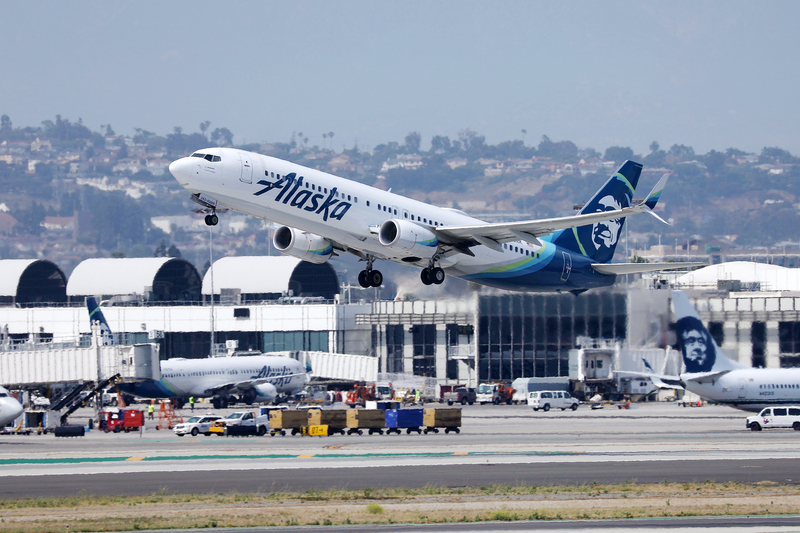
United Airlines (UA) canceled service into Puerto Vallarta (PVR) and also pulled down flying into Guadalajara (GDL) for the day.
-
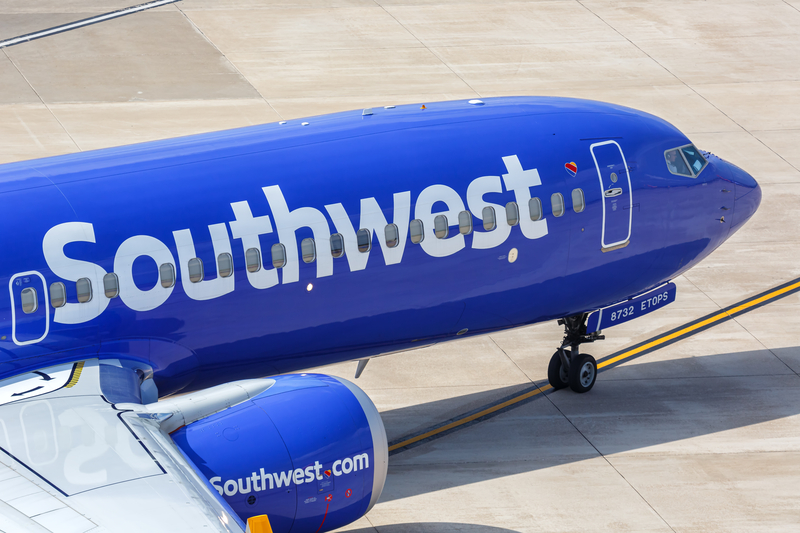
Southwest Airlines (WN) canceled its PVR flying, a significant move given Southwest’s strong leisure footprint.
-
American Airlines (AA) halted remaining Sunday operations to PVR, GDL, and Mazatlán (MZT).
-
Air Canada (AC) temporarily suspended operations into PVR.
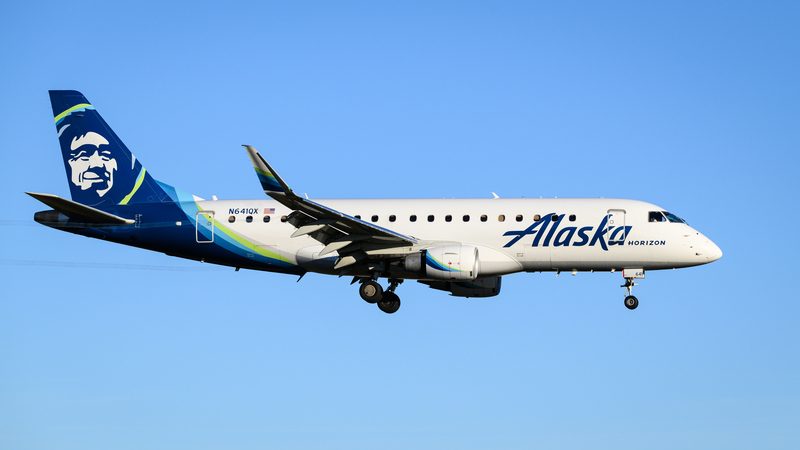
Industry reporting also indicated impacts beyond those four brands, including cancellations by WestJet (WS) into PVR, GDL, and Manzanillo (ZLO), plus a broader pullback by Mexican carriers as local conditions evolved.
The aircraft affected across these markets are overwhelmingly narrowbodies—typically Boeing 737-family and Airbus A320-family jets on U.S./Canada transborder leisure flying, and a similar narrowbody mix among Mexican operators. That matters because narrowbody networks are built around high daily utilization; when a station goes “no-go,” it’s not just one flight that moves—rotations, crew pairings, and aircraft routing all need to be rebuilt quickly to avoid compounding cancellations across the system.
Why airlines stop flying even if the runway is available
Aviation professionals know the uncomfortable truth: a destination can be “open” and still be unserviceable.
Even if PVR and GDL remain physically capable of receiving aircraft, airlines must consider:
-
Crew duty limits and hotel availability: If crews can’t safely overnight, the rotation can’t be guaranteed.
-
Ground handling continuity: If ramp staffing is reduced, turns lengthen, departure reliability collapses, and safety margins get squeezed.
-
Passenger movement risk: If access roads are blocked or transport providers pause service, stranded passenger volume can spike instantly.
-
Security posture and insurance: Once an event triggers elevated risk, carriers may need explicit internal clearance to resume.
A telltale indicator in situations like this is diversions. When flights are already airborne and the destination becomes uncertain, dispatch often has to choose alternates quickly—sometimes diverting multiple arrivals to preserve safety and avoid holding. That’s expensive, but it can be the least-bad option.
Traveler impact: waivers, rebooking, and the “sun route” recovery challenge
Most major carriers moved quickly to publish travel waivers, allowing customers to rebook without typical change penalties. That’s standard—yet it doesn’t eliminate friction, because leisure markets behave differently than hub markets during disruption.
In a hub, there’s typically spare capacity and multiple re-accommodation paths. In a leisure market like PVR, especially during peak season, alternatives can be limited:
-
Seats on the next flight may already be full.
-
Competing carriers may also be canceling.
-
Local transport and hotel inventory can tighten rapidly if large numbers of travelers are stuck.
For carriers, the immediate recovery focus usually looks like:
-
Pause flying until station conditions stabilize.
-
Position aircraft and crews where they can be productive elsewhere.
-
Protect later operations by rebuilding rotations to avoid multi-day knock-on effects.
-
Reopen service gradually, often starting with daytime arrivals and tighter turn windows.
Bottom Line
The rapid cancellation wave into Puerto Vallarta (PVR) and Guadalajara (GDL) underscores how quickly a security event can translate into operational reality—especially when it disrupts ground access and station capability. United (UA), Southwest (WN), American (AA), and Air Canada (AC) were among the carriers that curtailed flying as reports of unrest spread following Mexican authorities’ announcement that “El Mencho” had been killed.
For airlines, this isn’t just about headlines—it’s about whether the station can reliably support safe, controlled operations. And when that answer becomes uncertain, the most conservative—and often most responsible—decision is to stop flying until it isn’t.
Keep reading FlyMag
Get the Daily Brief in the morning or the Route Watch weekly recap on Fridays. Or both.