A fatal runway collision at New York LaGuardia Airport (LGA) has turned a routine regional arrival into one of the most serious U.S. ground-operations accidents in recent memory.


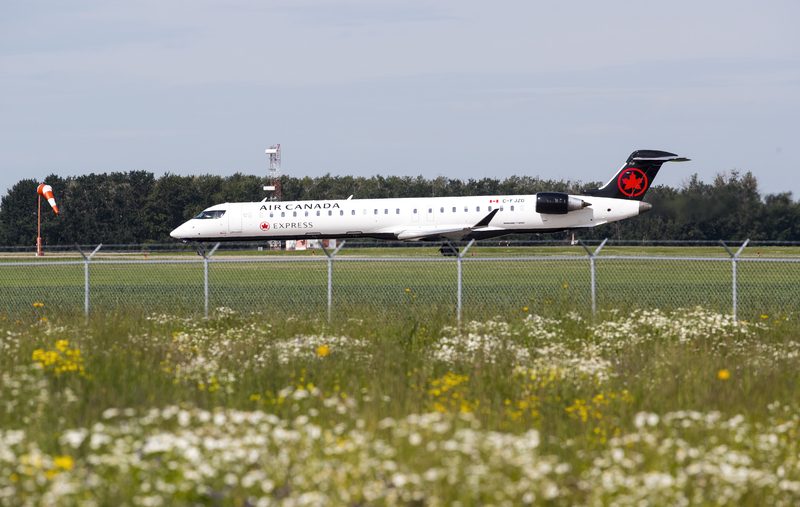
Air Canada Express flight AC8646, operated by Jazz Aviation with a Bombardier CRJ900, was arriving from Montréal-Trudeau International Airport (YUL) late on March 22 when it struck an airport fire truck on Runway 04 during landing rollout. The crash killed both pilots, seriously injured the two firefighters aboard the vehicle, and sent dozens of passengers to hospitals. The aircraft was carrying 72 passengers and four crew members.
For aviation readers, the most important point is not that this happened during a dramatic airborne emergency. It happened on the runway, in the controlled environment that is supposed to be among the most tightly managed parts of any airport operation.
Read our stories in your inbox
Two aviation newsletters. Zero fluff.
The Collision Happened During A Separate Emergency Response
What makes the accident especially troubling is that the fire truck was not there by chance.
It was responding to another incident involving a United Airlines aircraft that had reportedly declared an emergency because of an odor onboard. In the middle of that response, the truck requested permission to cross Runway 04 at Taxiway D and was cleared. At nearly the same time, the Jazz CRJ900 was cleared to land on the same runway.
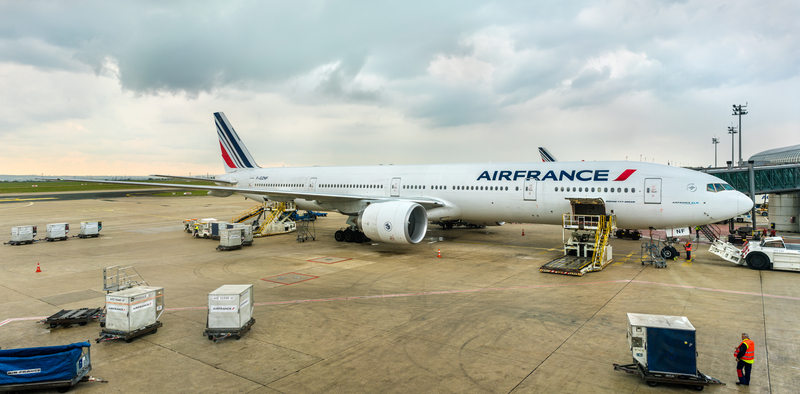
Air traffic control audio from the final moments captures the severity of the breakdown. Controllers can be heard urgently telling the vehicle to stop, but the warning came too late to prevent the impact.
That sequence is exactly why runway crossings remain one of the most sensitive risk points in airport operations. Even in a fully controlled environment, the combination of multiple moving parts, time pressure, and overlapping priorities can become catastrophic very quickly.
This Was A Ground Coordination Failure With Enormous Consequences
The broad outlines now look clear, even though the full investigation is only beginning.
The aircraft was on landing rollout, which is one of the most vulnerable phases of any flight. The jet is fast, committed, and has limited room to maneuver. A vehicle on the runway at that point leaves almost no margin. Unlike an airborne conflict, there is no easy evasive option.
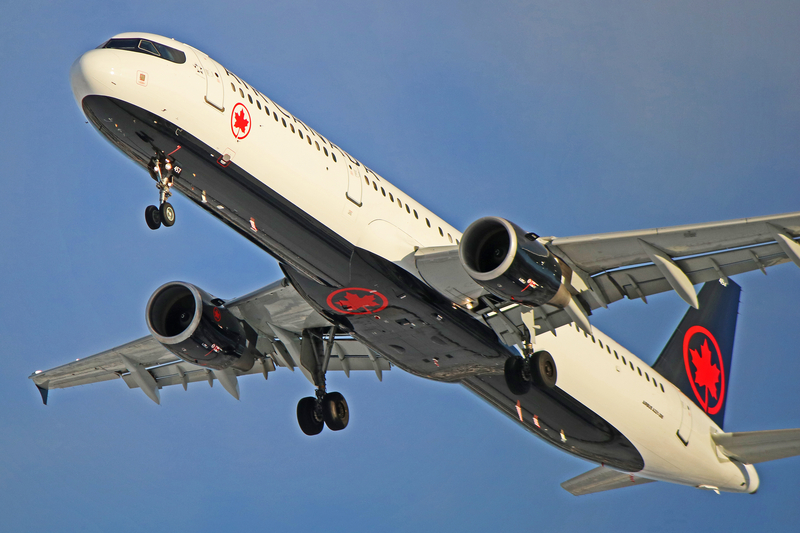
That is what makes this kind of accident so severe. Once the runway incursion exists, the outcome can be determined in seconds.
For airport and airline professionals, this is a reminder that runway safety is not only about unauthorized incursions by confused pilots or vehicles. It is also about what happens when authorized movements intersect in the wrong sequence.
The Human Toll Was Severe
The two pilots did not survive the crash.
The fire truck crew sustained serious injuries, and large numbers of passengers were taken to hospitals, though many were later treated and released. The fact that the aircraft was a regional jet matters here. A CRJ900 is smaller and lighter than a long-haul widebody, but at landing speed the energy involved is still enormous. A collision with a heavy airport rescue vehicle during rollout creates violent deceleration and concentrated structural damage, especially toward the front of the aircraft.
That appears to be exactly what happened at LGA.
LaGuardia’s Shutdown Shows How Disruptive A Runway Accident Can Be
The crash forced a major closure at LaGuardia (LGA), with the airport expected to reopen only later on March 23 after investigators had enough access to the site and safety assessments could be completed.
That is not surprising. A fatal runway collision immediately turns the active surface into an accident scene. Investigators need access, wreckage and vehicles have to be documented in place, and the broader safety environment must be stabilized before normal operations can resume.
For a constrained airport like LaGuardia, even a temporary full shutdown creates major knock-on disruption across the Northeast. Hundreds of flights were affected, and the operational shock spread well beyond New York.
The Safety Questions Will Go Well Beyond One Controller
The immediate temptation in cases like this is to reduce the event to a single mistaken clearance.
That may prove partly true. But the larger investigation will likely look well beyond that. The National Transportation Safety Board will want to understand the full chain: tower workload, communication protocols, emergency-vehicle procedures, runway crossing safeguards, line-of-sight conditions, coordination during concurrent emergencies, and whether systemic stress played a role.
That broader lens matters because fatal runway accidents are rarely explained by a single moment alone. They usually reveal a sequence of defenses that failed to catch an error before it became irreversible.
A Runway Is Still One Of The Most Dangerous Places At An Airport
Airports are highly procedural environments, but runways remain unforgiving.
Everything works until one movement enters the protected surface at the wrong time. The hazard is amplified at busy airports, at night, and during unusual operating conditions such as emergency responses. That appears to be the exact combination here: nighttime operations, a landing aircraft, and a fire truck responding to another aircraft event.
For professionals in the industry, the lesson is uncomfortable but familiar. Surface safety can be every bit as critical as airborne separation, and sometimes more so because the time to recover is even shorter.
Bottom Line
The fatal collision between Jazz Aviation flight AC8646 and a fire truck at New York LaGuardia Airport (LGA) is one of the most serious U.S. runway-surface accidents in years.
The CRJ900 from Montréal (YUL) struck an airport rescue vehicle while landing on Runway 04, killing both pilots, seriously injuring the firefighters in the truck, and injuring dozens of passengers. The vehicle had been crossing the runway while responding to another aircraft emergency, turning what should have been a tightly controlled airport movement into a catastrophic conflict.
For aviation readers, the key issue is not simply that a vehicle was on the runway. It is how an aircraft cleared to land and a fire truck cleared to cross were allowed to converge at the same moment. That is the question the investigation will now have to answer.