American Airlines is making one of its biggest onboard product bets in years, announcing that it will install Starlink on more than 500 narrowbody aircraft starting in the first quarter of 2027.

That matters because free Wi-Fi is no longer enough on its own. In the U.S. airline market, the real fight has moved beyond whether internet is free and into whether it is fast, reliable, and good enough that passengers actually notice the difference. By choosing Starlink at this scale, American is signaling that it does not want to be left behind in that next phase.
For aviation readers, this is not just a cabin upgrade. It is a competitive move.
Read our stories in your inbox
Two aviation newsletters. Zero fluff.
The Rollout Is Big — But Also Narrowly Targeted
The first thing to understand is that this is a large rollout, but not a whole-fleet one.
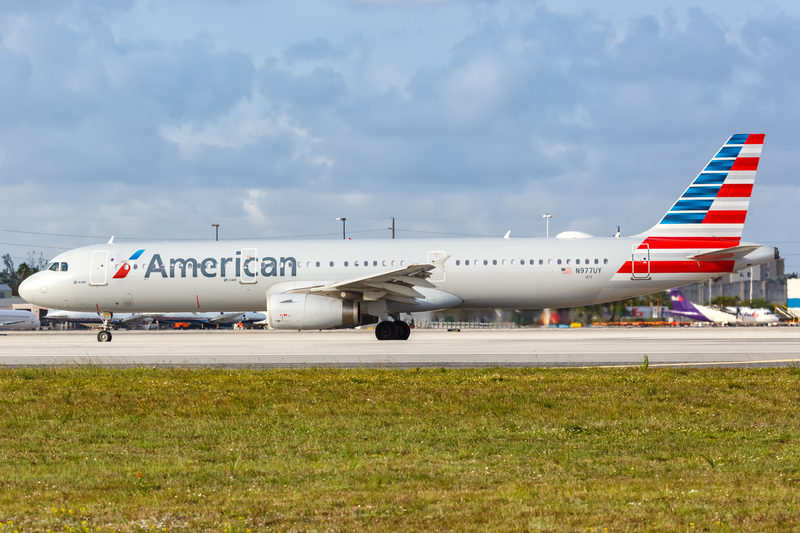
American says Starlink will go onto more than 500 narrowbody aircraft, and the focus is squarely on the airline’s Airbus narrowbody fleet. That means the program is big enough to matter immediately, but also selective enough that American will still operate a mixed connectivity environment for years.
So this is not a simple “American gets Starlink” story. It is a “American starts building a Starlink fleet inside a much more complicated fleet” story.
The Airbus Narrowbodies Are The Starting Point
The Airbus side of the fleet is the obvious place to begin.
American’s narrowbody Airbus fleet already includes large numbers of:
- A319s
- A320s
- A321ceos
- A321neos
- A321XLRs
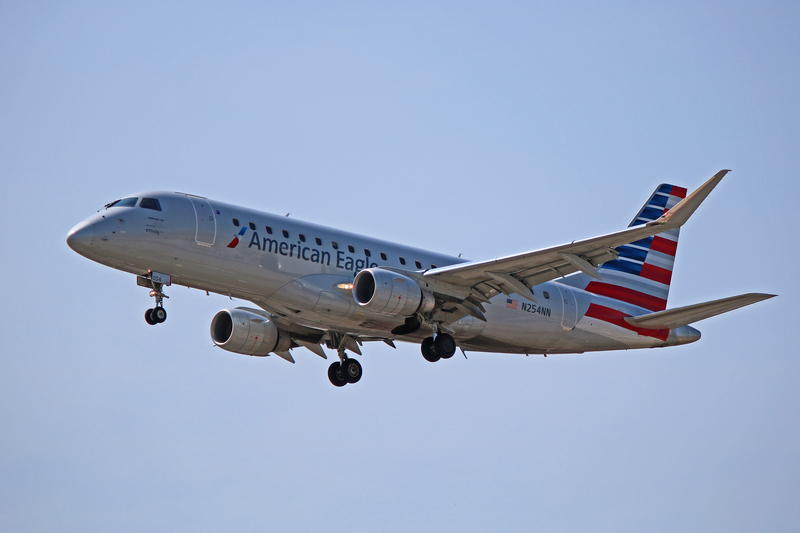
The newer A321neo and A321XLR aircraft are especially logical starting points because they are central to the airline’s future narrowbody strategy and will operate longer missions where better internet quality matters more. The older Airbus fleet also appears likely to stay around long enough that upgrading it still makes commercial sense.
That tells you something important: American is not treating this as a niche premium add-on for only the newest aircraft. It is trying to make Starlink a visible part of the mainstream narrowbody experience.
This Builds On American’s Existing Free Wi-Fi Strategy
Another reason this move matters is that American had only recently leaned more aggressively into free Wi-Fi for AAdvantage members through its AT&T-backed setup on much of the fleet.
That means Starlink is not replacing the free-Wi-Fi strategy. It is the next stage of it.
In other words, American seems to understand that free access alone is becoming table stakes. If the experience is slow or inconsistent, passengers will still compare it unfavorably with rivals. Starlink is the airline’s answer to that problem.

The Timing Shows American Is Still Playing Catch-Up
The rollout beginning in Q1 2027 is meaningful, but it also shows that American is not leading this race.
Other airlines are already further along in using Starlink as a product differentiator. That means American’s move is strategically important, but it is still reactive in one sense. The airline has seen where the market is going and decided it cannot afford to stay on older-generation connectivity alone.
That does not make the move weak. It just means it is catching up rather than defining the category first.

The Fleet Experience Will Become More Complicated Before It Gets Better
One of the more interesting consequences of this announcement is that it makes American’s onboard Wi-Fi story more fragmented in the short term, not less.
The airline already uses a mix of connectivity providers across the fleet. Adding Starlink to the Airbus narrowbodies means passengers will continue to encounter different internet experiences depending on the aircraft type they happen to get. Some flights will have the next-generation product. Others will remain on legacy systems.
That matters because once Starlink is in the fleet, passengers will notice the difference. And once they notice the difference, inconsistency becomes its own customer-experience problem.
The Boeing Question Is Still Unanswered
The biggest obvious gap in the announcement is what happens to the Boeing narrowbody fleet and the widebodies.
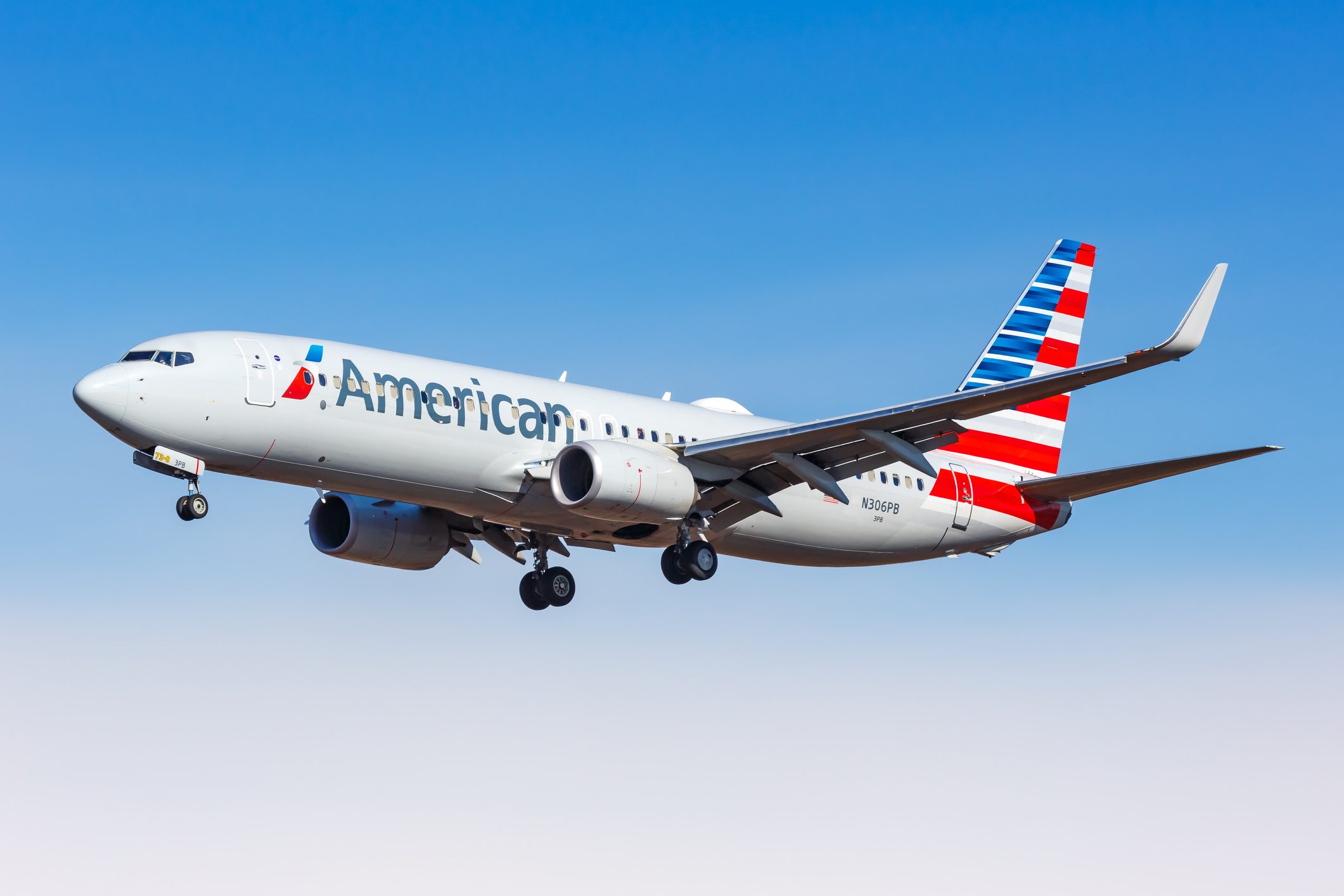
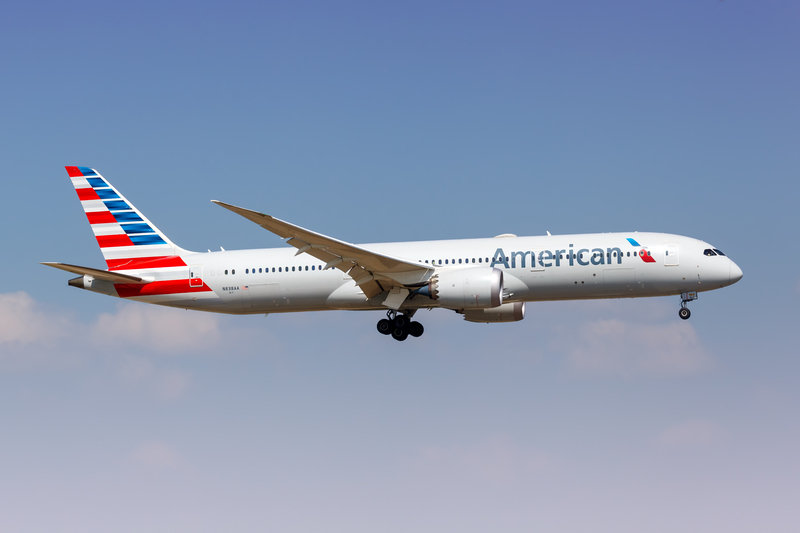
American operates a very large number of 737-800s, 737 MAX 8s, 777s, and 787s, and none of those fleets were included in this Starlink announcement. That leaves a major open question: is the airline eventually heading toward a broader Starlink rollout, or is it content to let different parts of the fleet evolve on different connectivity platforms?
For now, there is no clean answer. And that uncertainty is part of the story.
This Is Really A Product And Loyalty Move
The strategic value of better Wi-Fi goes beyond entertainment.
Airlines increasingly view onboard connectivity as part of the premium and loyalty proposition, especially for high-frequency customers who expect to work, message, stream, or stay continuously connected. American already knows that loyalty is where much of the real money sits. Improving the onboard internet experience strengthens that broader ecosystem, especially if the Wi-Fi remains free for AAdvantage members.
That is why this is not just a tech story. It is a loyalty and premium-positioning story too.
Bottom Line
American Airlines’ decision to install Starlink on more than 500 narrowbody aircraft from early 2027 is a major move in the U.S. inflight-connectivity race. It shows the airline understands that the battle has moved beyond “free Wi-Fi” and toward a better, faster, more reliable experience.
The rollout is large enough to matter, but selective enough that American’s fleet will still offer a mixed connectivity experience for quite a while. So this is not the finish line. It is the point where American finally commits to the next phase of the onboard Wi-Fi fight.