Air Canada has removed planned Airbus A321XLR service to London Heathrow Airport (LHR), quietly ending one of the more unusual widebody-to-narrowbody experiments that had been filed for the airline’s 2026 transatlantic schedule.

The aircraft had been due to operate between Toronto Pearson International Airport (YYZ) and Heathrow on a time-limited basis from late August into October. That plan is now gone, with Air Canada switching the route back to larger widebody aircraft instead.
For aviation readers, the move is significant not because Heathrow is losing service. It is not. The significance is that Air Canada has decided Heathrow is not the place to debut its longest and most operationally interesting A321XLR flying.
Read our stories in your inbox
Two aviation newsletters. Zero fluff.
Heathrow Loses The XLR Before The First Flight
The route had been scheduled to see Airbus A321XLR operations from August 31 through October 23, 2026.
That would have made Air Canada the only true long-haul operator using the A321XLR at Heathrow in that specific transatlantic role. It was notable because Heathrow is one of the most slot-constrained and expensive airports in the world, and its pricing structure generally favors larger aircraft with higher seat counts.
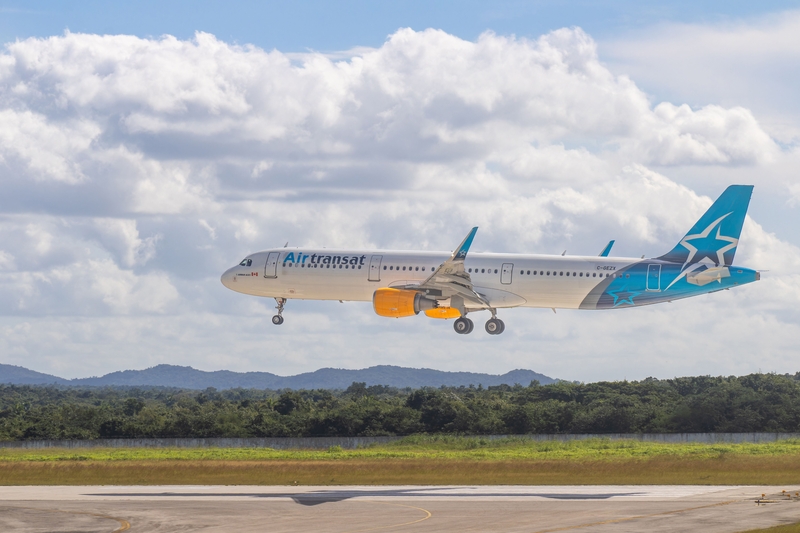
That context is important. A long-haul narrowbody at Heathrow was always going to be an unusual fit.
Air Canada Is Replacing The XLR With Bigger Aircraft
The route itself is not being cut. Only the aircraft assignment is changing.
Instead of the 182-seat Airbus A321XLR, Air Canada now plans to use a Boeing 777-200LR in September, followed by Boeing 787-8 and 787-9 aircraft in October. That is a major gauge increase and tells you immediately that the airline has decided Heathrow demand is better served with more seats and more premium capacity rather than with a thinner, longer single-aisle operation.
In practical terms, Heathrow is staying important. The A321XLR is what lost its place there.
The Economics Of Heathrow Likely Worked Against The XLR
The simplest explanation is that Heathrow may be too expensive and too strategically valuable for an aircraft of this size.
Long-haul narrowbodies work best where an airline wants to open thinner routes, add flexibility, or avoid the seat risk of a widebody. Heathrow is often the opposite kind of market. Slots are precious, fees are high, and airlines generally want to maximize revenue per movement. That usually means using larger aircraft if possible.
For Air Canada, that appears to have become the better answer here.

This Does Not Mean Air Canada Is Pulling Back On The A321XLR
It is important not to overread the Heathrow change.
Air Canada is not abandoning the A321XLR strategy. It is reshaping it. The aircraft still has a major role in the airline’s future network, but the latest schedule changes suggest management is becoming more selective about where the type makes the most sense.
That is actually a healthy sign. New aircraft types often go through several rounds of route planning before the final network settles into a more realistic shape.
Other A321XLR Routes Have Also Been Adjusted
Heathrow is not the only route affected by recent Air Canada schedule revisions.
The airline has also removed planned A321XLR service on Montreal–Los Angeles, delayed the start of Quebec City–Porto, and shortened the planned operating period for some Montreal–Berlin flights. At the same time, it has expanded A321XLR use on Toronto–Copenhagen and Montreal–Toulouse.
That tells you something important: Air Canada is not simply cutting the XLR from the network. It is redistributing it toward markets that appear to fit better operationally and commercially.
Montreal–Toulouse Now Looks Like The Real Starting Point
As of the latest schedule filings, the Airbus A321XLR is still set to enter Air Canada commercial service on Montreal–Toulouse on June 15, 2026.
That route makes sense as an early flagship for the type. It is a thinner transatlantic market, it has enough local and business relevance, and it is exactly the sort of city pair where the A321XLR’s economics can look compelling without the structural disadvantage of Heathrow’s slot and fee environment.
In that sense, Toulouse may be a better reflection of what Air Canada really wants the XLR to do.
Toronto’s XLR Debut Has Been Pushed Back
One of the bigger practical consequences of the Heathrow withdrawal is that Toronto Pearson International Airport (YYZ) now has to wait longer for its first Air Canada A321XLR route.
The latest schedule now points to October 25, 2026, when Toronto is due to launch A321XLR flights to Manchester and Tenerife South. That is a substantial delay compared with the earlier Heathrow debut plan.
So this is not only a Heathrow story. It is also a Toronto timeline story.
The Daytime Heathrow Idea May Still Matter Later
One important strategic wrinkle is that Heathrow may not be permanently out of the picture.
Air Canada has previously indicated that the A321XLR could make sense on a daytime Toronto–Heathrow operation rather than just on the overnight transatlantic schedule that had been filed. That is a very different use case. Daytime eastbound Atlantic flights are rarer, riskier with a widebody, and potentially better suited to a smaller long-range narrowbody if the slot timing works.
That means Heathrow may still be in Air Canada’s longer-term XLR thinking. It is just not happening on the current late-summer 2026 plan.
Bottom Line
Air Canada has removed the Airbus A321XLR from its planned Toronto–Heathrow operation before the first flight even took place, opting instead to use larger Boeing 777 and 787 aircraft on the route. That suggests Heathrow’s economics and strategic value favor more capacity than the XLR can provide, at least for now.
The move is not a rejection of the A321XLR itself. It is a sign that Air Canada is refining where the aircraft fits best. At the moment, that appears to mean thinner and more specialized transatlantic markets such as Toulouse and Copenhagen, not Heathrow.
Keep reading FlyMag
Get the Daily Brief in the morning or the Route Watch weekly recap on Fridays. Or both.