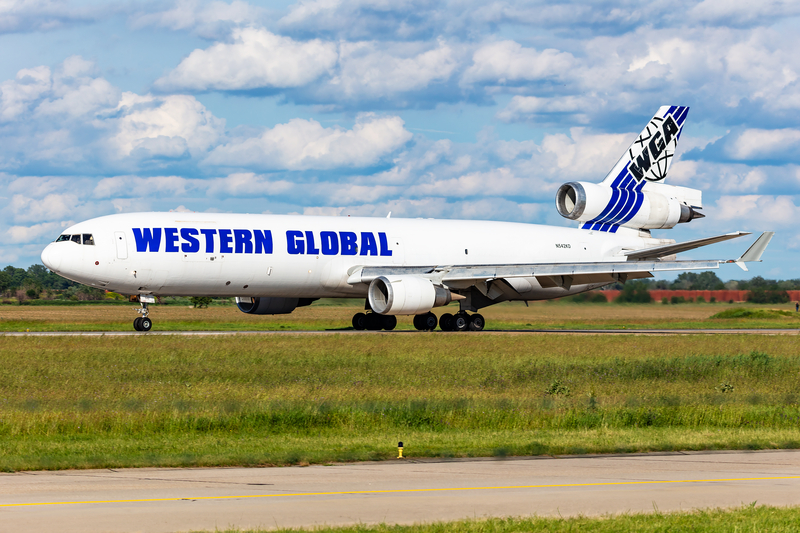
The McDonnell Douglas MD-11 is back in commercial service with another U.S. cargo airline, at least for now.
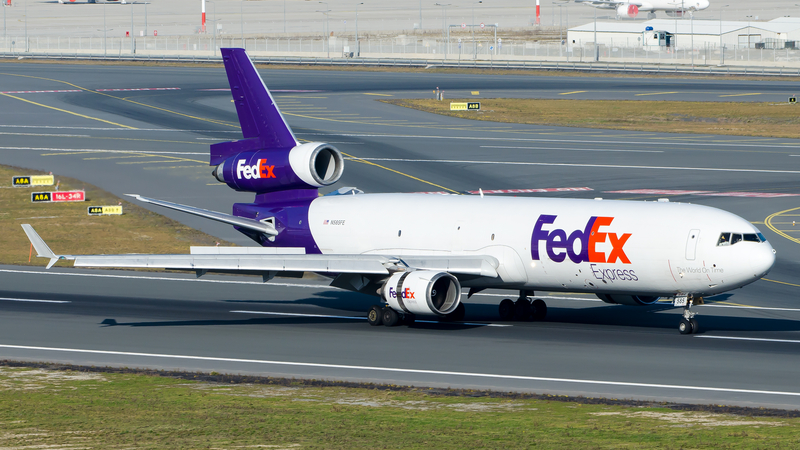
After the FAA approved Boeing’s return-to-service protocol earlier this month, Western Global Airlines has resumed MD-11F operations, making it only the second airline after FedEx to bring the aircraft type back into service following the post-crash grounding that effectively froze the world’s remaining MD-11 fleet.
For aviation readers, that matters because the MD-11’s return was far from guaranteed. The aircraft is old, expensive to maintain, and was already living on borrowed time before the 2025 UPS crash forced regulators, manufacturers, and operators into a deeper reckoning over whether it could keep flying at all.
Read our stories in your inbox
Two aviation newsletters. Zero fluff.
Western Global’s Return Matters More Than FedEx’s
FedEx returning the MD-11 was significant, but not surprising.
FedEx is by far the largest remaining MD-11 operator and has the fleet depth, engineering resources, and operational scale to absorb a complicated return-to-service program. Western Global is different. It is a much smaller carrier, and the MD-11 is much closer to the center of its identity and business model. That makes its reactivation more consequential in one important way: it shows the aircraft is not just surviving at the biggest operator, but still appears viable at a carrier more directly dependent on it.
That is a much stronger signal for the type’s short-term future.
The FAA Has Cleared A Path Back — But Not A Free Pass
The return only became possible after the FAA approved Boeing’s inspection and repair program focused on the MD-11’s engine pylon attachment system.
That matters because the grounding was not lifted casually. The crash that triggered it involved catastrophic engine separation during takeoff, and the return-to-service path required new inspection criteria, repairs, and a hardware fix involving a critical spherical bearing. In other words, the MD-11 is back because regulators now believe it can be flown safely if operators comply with a much stricter maintenance regime.
That is not a clean bill of health for the type. It is a conditional reopening.
Western Global’s MD-11 Fleet Makes This A Survival Story Too
This is also a fleet economics story.
Western Global has long relied heavily on the MD-11 for its long-haul cargo work. Unlike larger integrated cargo players, it does not have a broad modern freighter fleet that can easily replace grounded aircraft at scale. That is why the original grounding hit Western Global especially hard. The airline reportedly furloughed pilots and parked a large part of its operation while the future of the aircraft remained uncertain.
So when Western Global brings the MD-11 back, it is not just reviving an old airplane. It is restoring a key part of its business capability.
The Aircraft Is Still Useful — Even If It Is No Longer Modern
Part of what keeps the MD-11 alive is that it still occupies a useful niche.
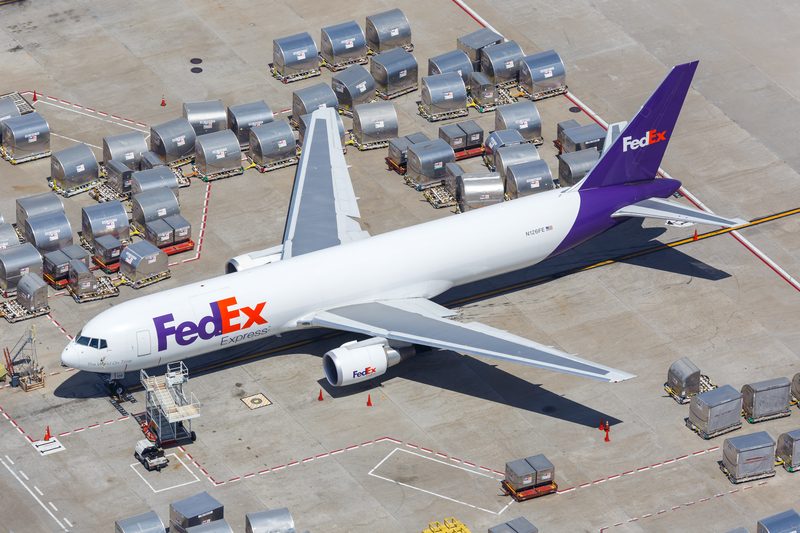
It offers long range, substantial payload, and cargo-door capability that still make it relevant in some freight networks, especially where airlines need lift now and cannot quickly source enough 777Fs or other newer freighters. That is one reason operators kept fighting for a way to return it to service rather than simply walking away from the type immediately.
The airplane may be old, but replacement capacity is not simple to conjure on demand.
But The Long-Term Future Is Still Very Limited
That said, nobody should confuse this revival with a real long-term comeback.
The MD-11 remains an aging tri-jet built for a different era, and it was already heading toward irrelevance before the 2025 crash. Newer freighters such as the Boeing 777F, future 777-8F, and even smaller workhorses like the 767F represent the actual long-term direction of the cargo market. The MD-11 survives today largely because it still exists, still carries a useful payload, and still fills a gap that cannot be replaced overnight.
That is not the same thing as having a future.
This Is A Return, Not A Rehabilitation Of The Type’s Reputation
The aircraft’s return does not erase the questions raised by the crash.
If anything, the opposite is true. The MD-11 is back in service precisely because the investigation and subsequent engineering work exposed how seriously the pylon-attachment issue had to be treated. Every reactivated aircraft now carries that history with it, along with the new maintenance obligations that came out of it.
So this is not a reputational recovery. It is an operational recovery under tighter conditions.
Bottom Line
Western Global’s return of the MD-11 to service is significant because it shows the aircraft type is not only back with FedEx, but also alive at a smaller carrier that depended on it much more heavily. That makes the revival look more credible in the short term.
But the broader reality has not changed. The MD-11 is still an old freighter on borrowed time, now flying again only because regulators and Boeing created a path for it to do so safely. The silhouette is back in the sky. The future still belongs to something newer.
Keep reading FlyMag
Get the Daily Brief in the morning or the Route Watch weekly recap on Fridays. Or both.