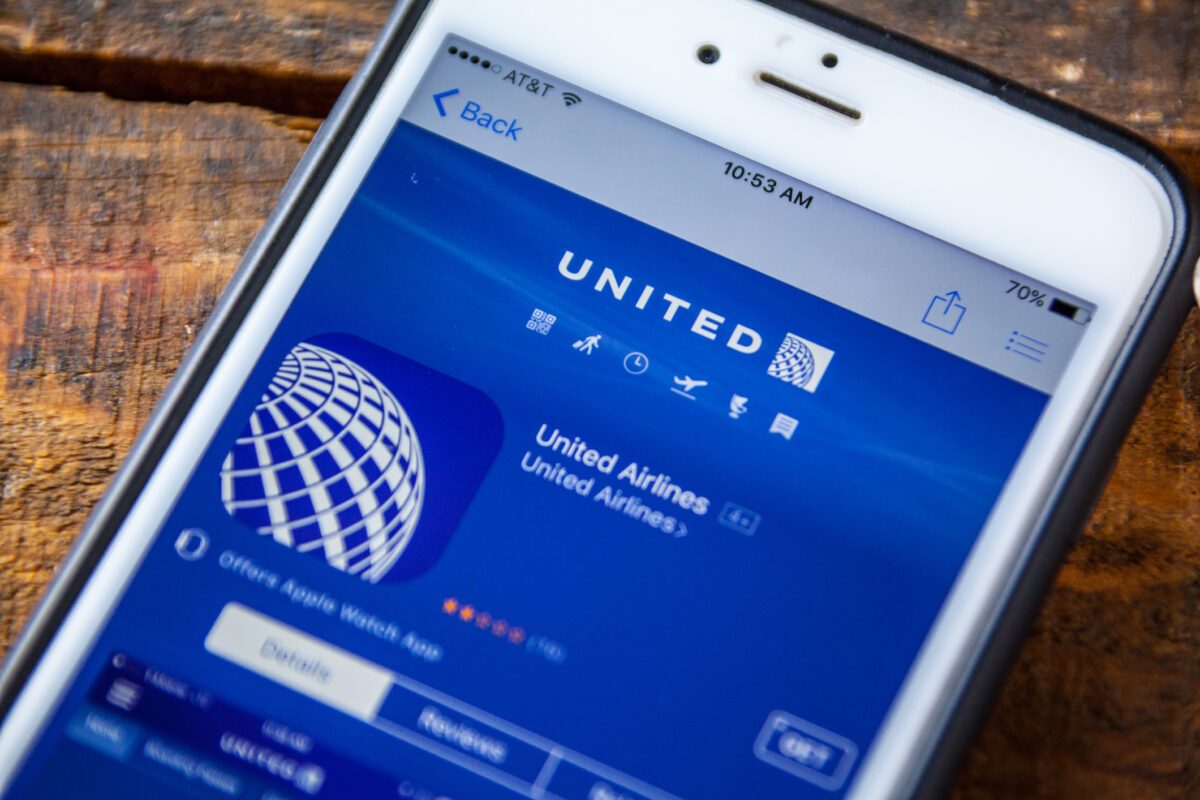
United Airlines has started testing an app-based ordering service at Newark Liberty (EWR) that places food, drinks and travel essentials beside the departure gate before boarding.
The pilot applies to select flights using up to nine designated gates in Terminal C. Eligible passengers receive a push notification through the United app or an email before departure, opening an ordering interface stocked with products ranging from prepared meals to charging cables.
Despite being described as gate delivery, the service does not involve a courier finding the passenger in the boarding area. Completed orders are placed on a designated pickup shelf near the gate, where customers can collect them for consumption in the terminal or onboard.
Read our stories in your inbox
Two aviation newsletters. Zero fluff.
Trial Concentrated Around Gates C125 to C138
United is limiting the initial test to selected flights departing from or connecting through gates in the C125-to-C138 area. The airline said the trial can operate at up to nine gates within that part of Terminal C, rather than across the full concourse.
The location gives United a controlled environment in which to measure demand, fulfillment times and the effect of gate changes. According to Newark’s official Terminal C guide, the C125-to-C139 area is a seven-to-10-minute walk from security. United’s trial is aimed less at reducing that initial walk than at keeping passengers near the gate once they arrive.
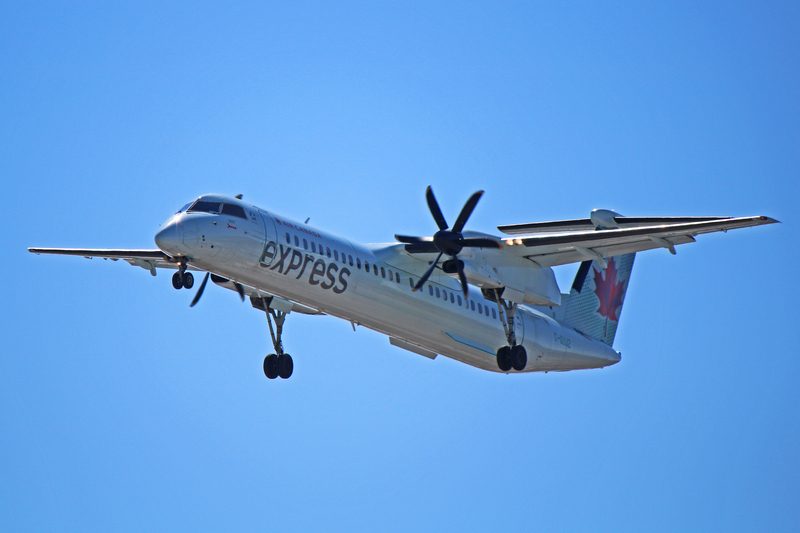
The selected gates handle domestic and international services operated by both narrowbody and widebody aircraft. That mix should expose the service to several passenger flows: local customers arriving after security, travelers making short connections and long-haul passengers who may want additional food before boarding.
Newark is large enough to provide meaningful volume during a limited test. United said in its second-quarter 2026 results that it carried nearly 4.4 million departing passengers through EWR during the three-month period. The airport describes Terminal C as supporting more than 350 daily United flights to over 160 destinations.
Food, Medicine and Charging Cables
The assortment extends beyond a conventional restaurant preorder. Customers can select sandwiches, salads, drinks, children’s meals, chips, candy and other snacks. The travel-essential range includes certain over-the-counter medicines, pillows and device-charging cords.
That combination positions the service as a replacement for several separate terminal stops. A passenger can order a meal and a forgotten cable in the same transaction without leaving the gate area shortly before boarding.
United is working with airport hospitality operator OTG to prepare and move the orders. Participating Newark restaurants include Nonna’s Kitchen and Victory Grill, both part of OTG’s existing EWR portfolio. OTG already has extensive infrastructure in Terminal C following its role in the concourse’s dining redevelopment, and its earlier digital ordering systems allowed travelers to buy meals and retail items from tablets installed in dining areas.
The new pilot shifts the point of sale into United’s own app and connects the offer to a specific itinerary. United knows the passenger’s flight, scheduled departure time and assigned gate, allowing it to present the ordering option when it is operationally relevant rather than requiring the customer to find a separate airport-delivery platform.
A New Version of an Earlier Airport Concept
Food delivery inside Newark is not new. The Port Authority of New York and New Jersey said in its 2018 annual report that it had introduced an AtYourGate pilot at Newark, New York JFK and LaGuardia, enabling customers to order from participating restaurants and receive food at their gates.
United’s test differs in how the service is distributed. Instead of asking travelers to discover and download a separate airport platform, the airline is placing ordering inside an app already used for check-in, boarding passes, flight status, rebooking and connection management.
That distinction matters at a connecting hub. A standalone food-delivery app knows where an order must go; the airline’s system also knows when the customer is expected to board. United can trigger invitations by flight and gate, while restricting sales to departures that the participating kitchens and delivery operation can support.
The shelf-based handoff also simplifies the final stage. It avoids the need for a courier to identify an individual passenger in a crowded boarding area and gives travelers a predictable collection point. The tradeoff is that customers still have to monitor the order and retrieve it before boarding closes.
Houston Expansion Planned for 2026
United plans to extend the pilot to Houston Intercontinental (IAH) later in 2026. The airline’s announcement said the Houston phase will include national restaurant brands and a wider choice between pickup and delivery directly to the gate.
The carrier will collect customer feedback at Newark before deciding whether to bring the service to additional airports. United has also raised the possibility of putting the ordering function on seatback entertainment screens if it expands the program.
That would allow connecting passengers to place an airport order while still onboard an arriving aircraft. The value would depend on the system accounting for arrival times, taxi delays, gate assignments and the distance between the inbound and outbound gates, but it would move preparation into a part of the connection that is otherwise unusable for buying food.
The ordering test is part of United’s broader effort to make its app an operational companion rather than simply a booking and boarding-pass tool. In 2026, the airline also introduced a digital tracker providing estimated Transportation Security Administration wait times at its U.S. hubs. United reported that digital check-in reached a record 87.7% during the second quarter, giving it a substantial base of customers already accustomed to managing trips through the app.
Bottom Line
The immediate beneficiaries are connecting passengers whose available time at Newark is long enough to collect an order but too short to search the concourse, wait in a restaurant line and return before boarding. The pilot should be particularly useful on domestic sectors without a meal service, where missing the opportunity to buy food in the terminal can leave few alternatives once onboard.
For United, the more important development is control of the interface. The airline is not entering the restaurant business; OTG remains responsible for preparing and moving the products. United is instead using itinerary data and app notifications to connect an existing concessions network with customers at the point when they are most likely to buy. That creates another reason for passengers to remain inside United’s digital ecosystem throughout the journey.
Houston will be the more revealing test. Adding national brands, more pickup choices and direct gate delivery will show whether the model works beyond a small group of Newark gates. The measures to watch are order reliability during disruption, performance after gate changes and whether travelers use the service often enough to justify integration across additional hubs and seatback screens.