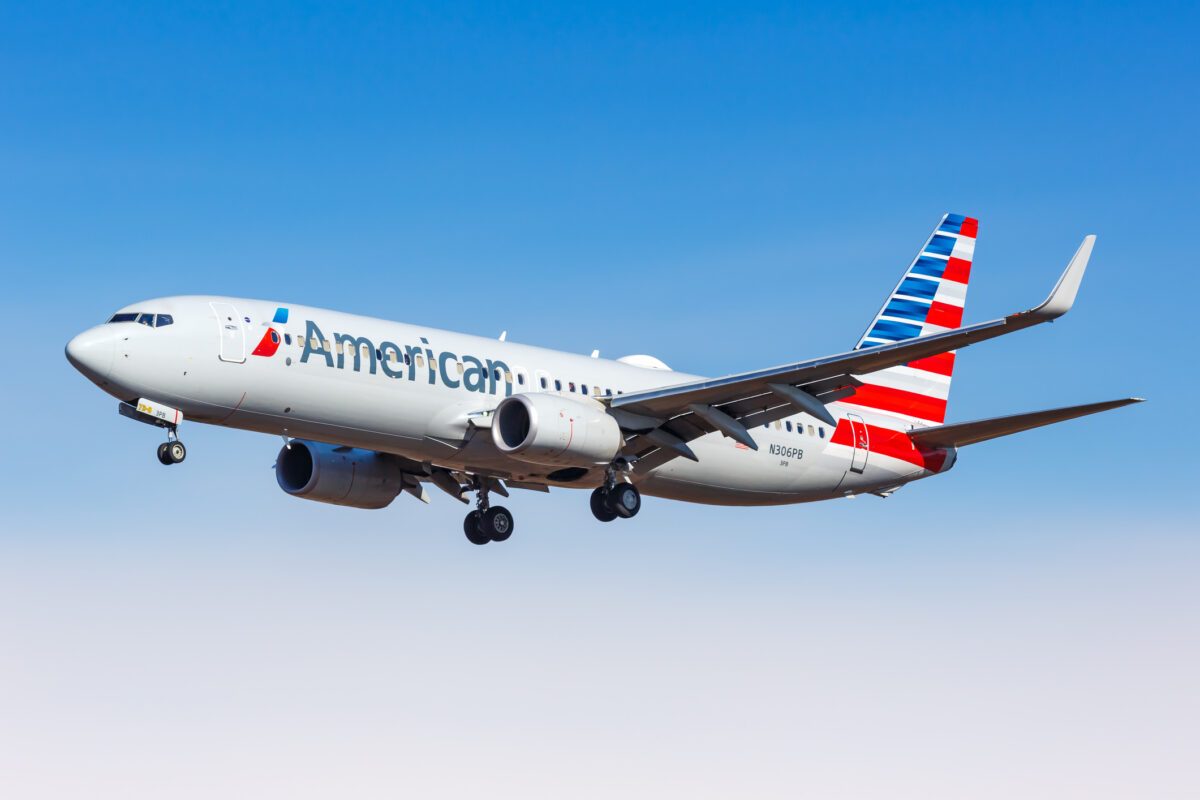
American Airlines removed Scott Kirby as president on August 29, 2016. United Airlines appointed him to the same title that afternoon.
The sequence is documented in regulatory filings from both companies. American promoted Chief Operating Officer Robert Isom with immediate effect, while United made Kirby’s appointment effective at 2:30 p.m. Central Time. Less than four years later, Kirby became United’s chief executive.
American did not attribute the separation to Kirby’s performance. Its 2017 proxy statement said the move resulted from a board-led executive succession process and described Kirby as an important contributor during his two decades with the America West, US Airways and American management team.
Read our stories in your inbox
Two aviation newsletters. Zero fluff.
The $13.74 Million Was Not All Cash
American valued the benefits paid or payable in connection with Kirby’s departure at precisely $13,740,552. Most of that figure represented accelerated equity rather than a check for the full amount.
The package included $3.85 million in cash severance, calculated as twice Kirby’s base salary plus his target short-term incentive. Accelerated vesting of 259,097 restricted stock units accounted for another $9,576,225, based on American’s $36.17 closing share price on August 29, 2016.
American assigned $24,501 of additional value to an extension of the exercise period for stock appreciation rights. It valued Kirby’s flight privileges at $289,826, reflecting the present value of future travel rather than cash paid at separation.
Kirby had already vested in lifetime travel privileges through the combination of America West and US Airways. The benefits included positive-space travel, under which an eligible traveler receives a confirmed seat rather than relying on space-available employee travel.
The separation agreement disclosed by American also required Kirby to release legal claims against the company. It imposed a two-year nonsolicitation covenant, along with confidentiality and cooperation requirements. Those provisions did not prevent him from joining a direct competitor immediately.
American Chose Isom for Its Succession Track
Kirby had worked alongside Doug Parker since their years at America West and remained a central figure through the 2005 US Airways merger and the 2013 combination with American. He became US Airways president in 2006 and president of the merged American in December 2013.
American said its board concluded after discussions about executives’ career expectations and marketability that it could not retain the existing leadership team in the same roles indefinitely. The resulting structure kept Parker as chairman and CEO, elevated Isom to president and removed Kirby from the organization.
The company’s announcement naming Isom president said the board had acted proactively to create a management structure suited to American’s longer-term future. It also said Kirby was leaving immediately.
The choice ultimately put Isom on American’s CEO track. Parker remained chief executive until March 31, 2022, when Isom succeeded him under a later leadership succession plan.
American’s decision came during a profitable period rather than a financial crisis. The airline reported $4.3 billion in pretax profit for 2016 and described the year as the second most profitable in its history at that point. The separation was therefore a choice about future leadership, not an emergency restructuring of the senior team.
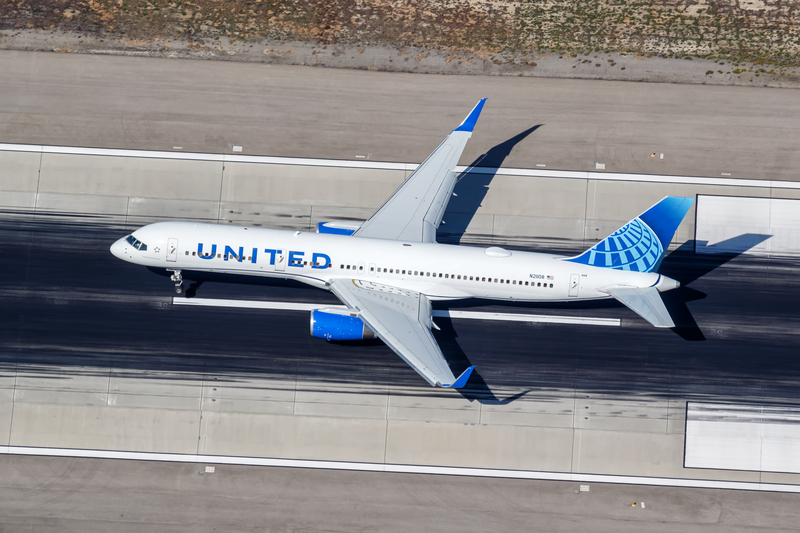
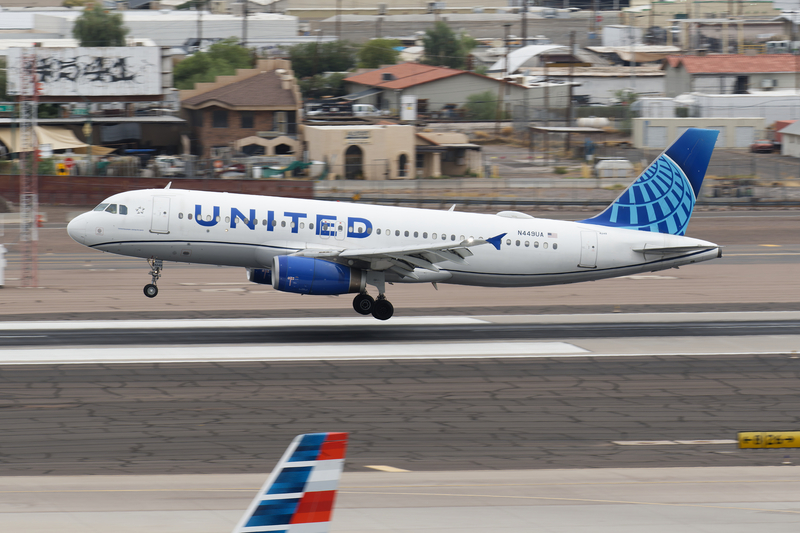
United Created a Broad Role for Kirby
United did more than provide Kirby with a landing place. The airline created a president’s role that put him in charge of operations, marketing, sales, alliances, network planning and revenue management. That gave him authority across most of the functions that determine an airline’s schedule, commercial positioning and operating performance.
In its appointment announcement, United CEO Oscar Munoz said Kirby’s airline experience would accelerate the carrier’s improvement program. Kirby arrived with detailed experience in consolidation, revenue management and network planning, as well as direct knowledge of one of United’s largest competitors.
United’s compensation package underscored the importance of the hire. Its August 2016 filing set Kirby’s annual salary at $875,000, with a target annual incentive equal to 125% of salary and a long-term incentive opportunity equal to 625%. United also granted premium-priced stock options with a $5 million grant-date value.
The speed of the transfer was unusual. American and United announced their decisions on the same date, allowing Kirby to move from one of the country’s largest airlines to another without an intervening period outside the industry.
Kirby Reached the Job American Did Not Give Him
United announced in December 2019 that Kirby would succeed Munoz following the company’s annual meeting on May 20, 2020. Its leadership transition filing credited Kirby with helping execute its strategic growth plan and said Munoz had recruited him in 2016 with succession continuity in mind.
That made the contrasting outcomes clear. American’s 2016 process selected Isom as its next-generation leader, and he eventually became CEO. United used the same opening to recruit Kirby and eventually place him in its own top job.
United’s current strategy bears the scale of the platform Kirby was given. The airline expects more than 250 aircraft deliveries by April 2028, including Boeing 787-9 widebodies and Airbus A321neo aircraft, while continuing cabin retrofits and a fleetwide Starlink connectivity program. United says more than 530 new or refurbished aircraft now carry its signature interior with larger bins, seatback screens and Bluetooth connectivity.
Those investments cannot be reduced to one executive or one succession decision. They do, however, show why the 2016 move remains consequential: American released a senior commercial and network strategist, and United put him in a position to influence nearly every major part of its business before handing him the chief executive role.
Bottom Line
The lasting significance of the Kirby episode is not the headline value of the severance package. Nearly 70% of the $13.74 million represented accelerated restricted stock, while another portion reflected the accounting value of travel benefits. The strategic issue was that American’s restrictions allowed a deeply experienced executive to move immediately into a broad operating and commercial role at a direct rival.
American still achieved the succession outcome its board selected: Isom became president in 2016 and CEO in 2022. United gained a ready-made president whose experience covered revenue management, network planning, mergers and large-airline operations, then developed him as Munoz’s successor. Both carriers obtained leadership continuity, but United acquired its candidate from inside its competitor’s senior team.
The case remains a useful test of airline succession planning. Boards must weigh the stability of a chosen management structure against the competitive value of an executive who is excluded from it. Severance can settle the contractual side of a departure; it cannot prevent a rival from turning the departing executive’s experience into a long-term leadership asset.
Keep reading FlyMag
Get the Daily Brief in the morning or the Route Watch weekly recap on Fridays. Or both.