United Airlines is extending its three-tier fare model to United First and United Business, bringing a stripped-down Base ticket to the premium cabins used on domestic and shorter international routes.

Beginning in fall 2026, customers on eligible flights will see Base, Standard and Flexible options. The cabin, seat and onboard service remain the same at each level; the differences concern seat assignments, baggage, ticket changes and refunds.
The change appears on United’s United First and United Business product page. United First covers the airline’s domestic premium cabin, while United Business is used for international service between the United States and destinations in Canada, the Caribbean and Latin America where the flight is not marketed as United Polaris.
Read our stories in your inbox
Two aviation newsletters. Zero fluff.
What United Includes With Each Fare
The new structure separates the physical premium-cabin product from the conditions attached to the ticket. A passenger buying Base will receive the same onboard experience as someone holding a Flexible fare, but fewer services before departure and substantially less freedom to alter the itinerary.
- Base: One checked bag and one carry-on are included. Advance seat selection is available for a fee. The ticket cannot be changed and is nonrefundable.
- Standard: Seat selection, two checked bags, one carry-on and flight changes are included. The ticket remains nonrefundable.
- Flexible: The fare includes the Standard benefits and is fully refundable.
That makes Standard the first tier suitable for most passengers whose plans could move after booking. Base is aimed at customers prepared to accept fixed travel dates, travel with no more than one checked bag and either pay for a particular seat or leave the assignment to the airline.
The implications are significant even though the front cabin itself is unchanged. Complimentary seat selection and two checked bags have traditionally been treated as inherent features of a U.S. domestic first-class ticket. Under the new model, they become attributes attached to a higher fare tier rather than universal benefits of the cabin.
Premium Segmentation Moves Across the Network
The First and Business rollout is the second phase of a broader restructuring announced earlier in 2026. In April, United introduced Base, Standard and Flexible categories for United Polaris and United Premium Plus on long-haul international flights, premium transcontinental services and selected longer Hawaii routes.
That earlier program also detached several ground benefits from the cabin. A Base Polaris ticket carries one checked bag, charges for advance seat selection and does not permit voluntary changes. On the selected domestic and Hawaii flights rebranded as Polaris, Base customers receive United Club access, while Polaris lounge admission is reserved for Standard and Flexible fares.
United began introducing those long-haul categories in selected markets during the spring. By July, the airline said in its second-quarter results that the premium-cabin Base option had entered the market on long-haul international, transcontinental and selected Hawaii flights.
The latest extension completes the same merchandising structure across United’s principal cabins. Economy already uses Basic, Standard and Flexible options, while Premium Plus, Polaris, United First and United Business now follow the same broad ladder, although the included benefits vary by product.
The Seat Does Not Change
United is not creating a separate section of the aircraft for Base customers. The fare is a commercial layer applied to the same premium inventory sold as Standard or Flexible.
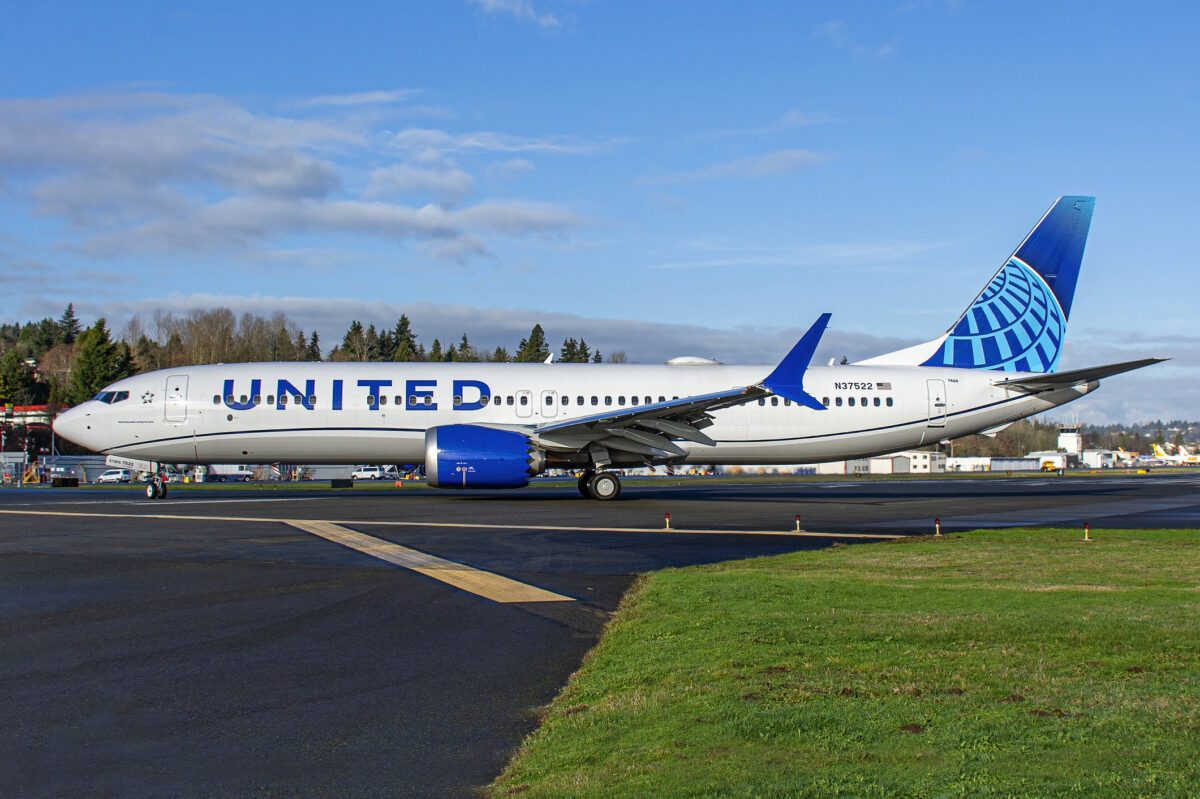
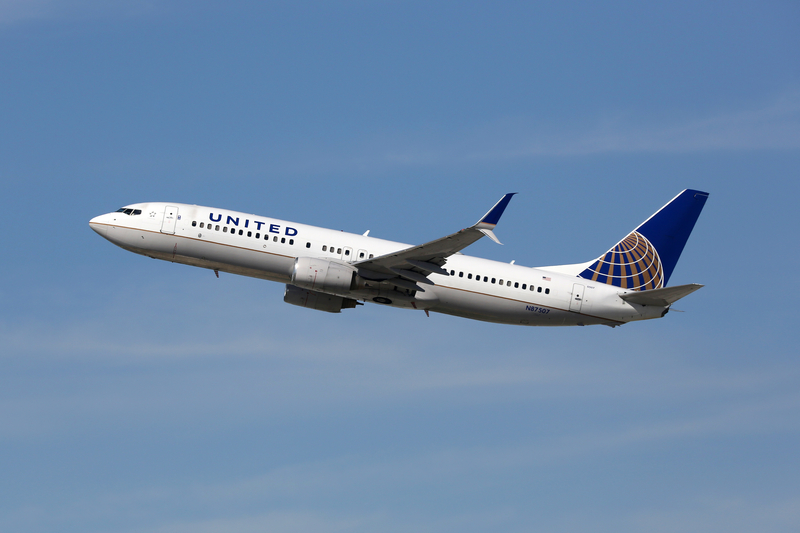
On a Boeing 737 MAX 8, for example, a Base customer will occupy the same United First cabin as other premium passengers. United has documented the MAX 8 in a 166-seat, two-class configuration with its signature interior, including larger overhead bins, seatback entertainment, Bluetooth connectivity and LED lighting. The aircraft’s transcontinental capability also makes it suitable for the domestic, Caribbean and Latin American sectors covered by the new fare structure.
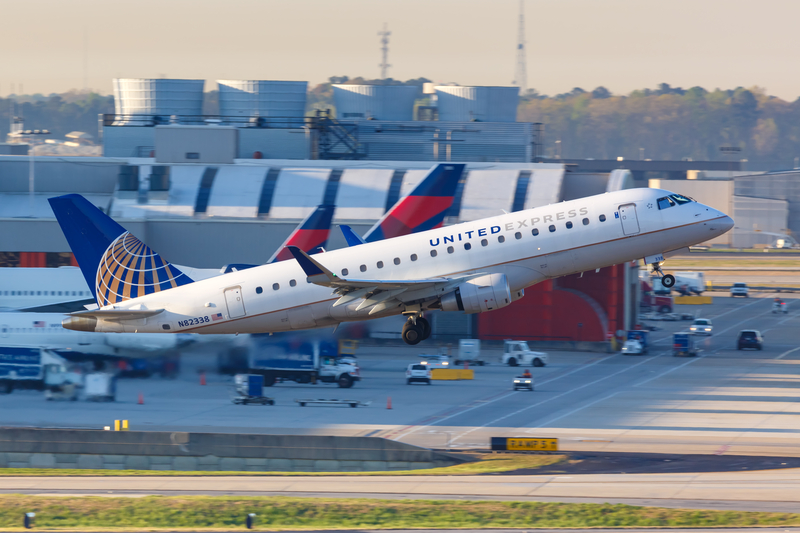
The same principle applies when United First is operated by other narrowbody types or United Express aircraft: the fare tier governs ticket conditions, not the installed seat. Meals, drinks and other onboard elements continue to depend on the route and flight length rather than whether the customer bought Base, Standard or Flexible.
A New Consideration for Managed Travel
The Base tier creates a new lowest premium fare that is not directly equivalent to the least expensive first- or business-class ticket United previously offered. Travelers and corporate booking systems will need to compare attributes rather than relying only on the cabin name.
For a fixed one-day business trip, the lower fare may be useful when the traveler has no checked baggage and does not require a particular seat. For itineraries that could move, the absence of changes can outweigh a modest saving at purchase. Standard preserves the most commonly expected premium-ticket functions without requiring the fully refundable pricing of Flexible.
The staged fall introduction also means customers may not see Base on every eligible search immediately. Where it is offered, the relevant comparison will be the gap between Base and Standard against the cost of seat selection, a second checked bag and the commercial value of retaining the ticket if plans change.
Bottom Line
United’s move shows that premium segmentation is no longer confined to long-haul business class. The airline is applying the same retail logic across the network: the cabin determines the onboard product, while the fare tier determines how much flexibility and ground service the passenger receives. That gives United another way to display a lower opening price without discounting every attribute traditionally associated with the seat.
Standard may become the practical reference fare for corporate travelers, even when Base is displayed first. Travel managers will need to decide whether a ticket that cannot be changed meets policy, particularly when automated booking tools identify the cheapest fare in the requested cabin. A lower purchase price can quickly become poor value when a schedule change causes the entire ticket to be lost.
The next point to watch is pricing rather than product. The commercial effect will depend on whether Base opens genuinely lower price points or occupies territory previously held by inclusive nonrefundable fares, pushing customers to pay more for Standard. That distinction will determine whether passengers view the new structure as added choice or as the unbundling of benefits they previously received with the cabin.