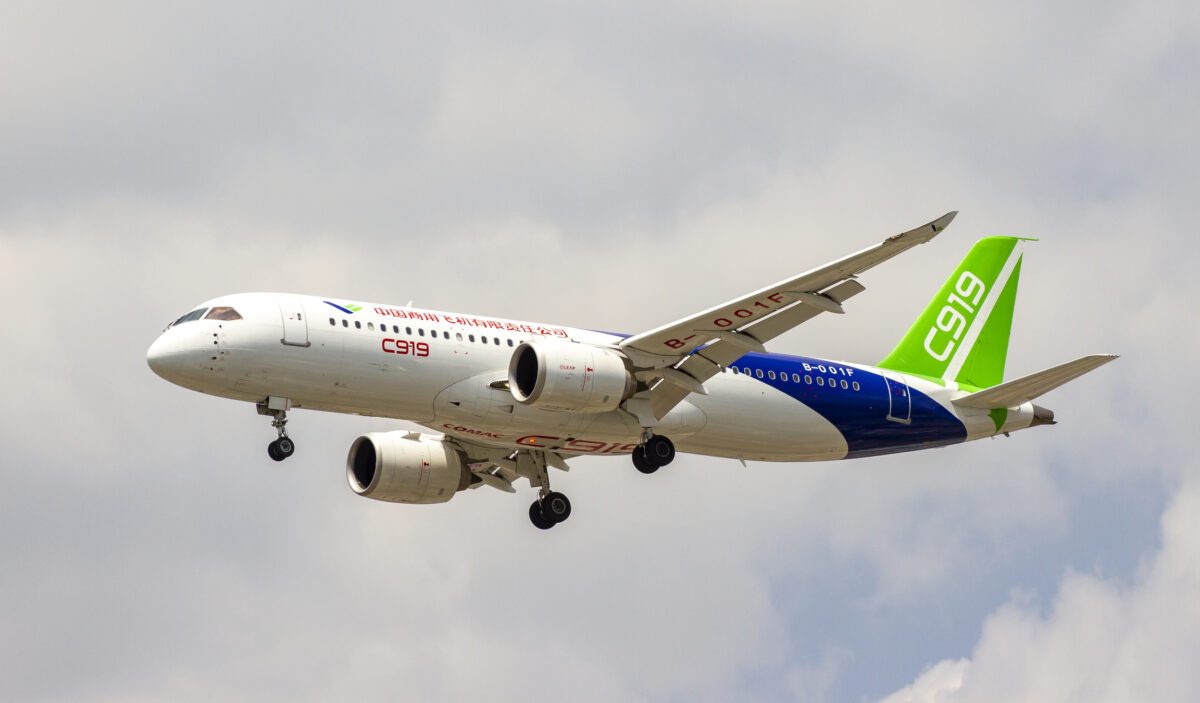
Mongolia has opened discussions with COMAC over the possible introduction of the C919 at national carrier MIAT Mongolian Airlines, adding the Chinese narrowbody to the country’s developing fleet-renewal options.
Road and Transport Minister Borkhuu Delgersaikhan met COMAC executive Shen Bo in Shanghai on September 24. According to a Mongolian government account of the meeting, the talks covered fleet renewal, technical support, maintenance and personnel training.
The discussions remain exploratory. Mongolia has not announced an order, delivery timetable or commercial agreement, and the minister made clear that any introduction would depend on the aircraft’s certification status, safety, operating economics and suitability for local conditions.
Read our stories in your inbox
Two aviation newsletters. Zero fluff.
Those conditions include Mongolia’s severe winters and the performance requirements associated with airports at higher elevations. The government also wants clarity on range, fuel consumption, parts availability, maintenance support and the wider infrastructure needed to operate the type.
Certification Comes Before a Fleet Decision
The airworthiness question is more than a negotiating point. Mongolia’s Civil Aviation Law requires an aircraft type certificate to be issued or accepted by the country’s Civil Aviation Authority before the type can enter local flight operations.
Mongolia’s Part 21 certification rules provide for a type acceptance certificate covering an imported aircraft. That process gives the regulator a formal route to review the original certification basis, design data, operating documentation and continuing-airworthiness arrangements.
The C919 received its type certificate from the Civil Aviation Administration of China in September 2022. COMAC lists the baseline aircraft with 158 to 192 seats and a range of 4,075 to 5,555 kilometers, placing it in the same broad market segment as the Airbus A320neo and Boeing 737 MAX families.
Acceptance by Mongolia would therefore be a separate regulatory step from the Chinese certification already held by the aircraft. It would also require practical arrangements for airworthiness directives, technical records, maintenance data and communication between COMAC, the Chinese regulator and Mongolian authorities.
Delgersaikhan had met CAAC deputy administrator Liang Nan in Beijing three days before the COMAC visit. The Chinese regulator said the September 21 meeting covered development of the bilateral air transport market and broader civil aviation cooperation.
C919 Already Has a Mongolian Connection
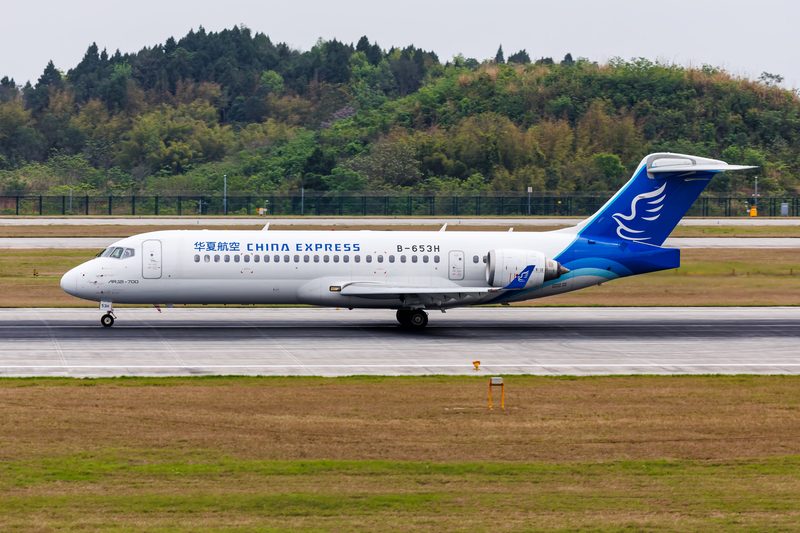
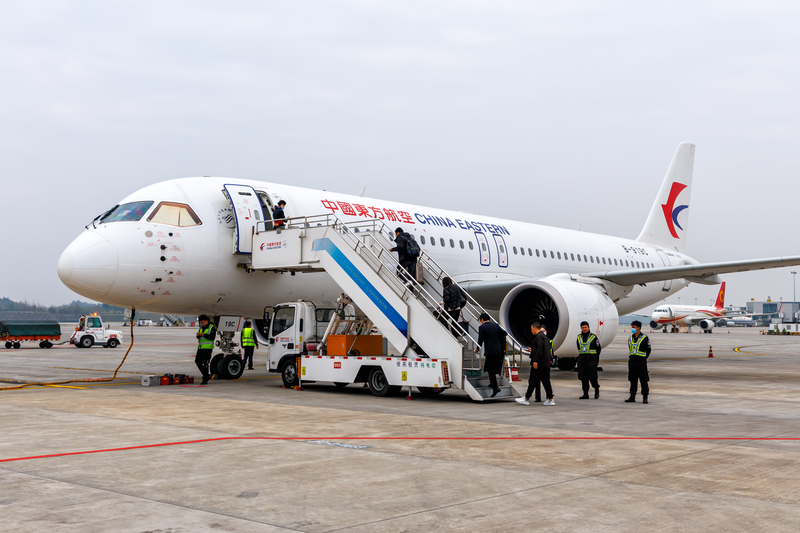
The evaluation comes shortly after Mongolia became the first international scheduled destination for the C919. Air China began deploying the aircraft between Beijing Capital (PEK) and Ulaanbaatar Chinggis Khaan (UBN) on August 12, giving Mongolian officials, airport personnel and travelers early exposure to the type in normal airline service.
The Chinese Foreign Ministry confirmed that Delgersaikhan and Mongolia’s civil aviation leadership attended the inaugural event at UBN. The minister said at the time that the C919 represented an opportunity to deepen aviation cooperation between the two countries.
Air China’s service does not by itself clear the aircraft for operation by MIAT. A Chinese-registered C919 arriving on an international service remains under its existing certification and operator approvals. Placing the type on the Mongolian register, or adding it to a Mongolian airline’s operating specifications, would require the separate acceptance and operator-certification work set out in Mongolian rules.
The route nevertheless gives Mongolia access to real operating experience close to home. UBN can observe turnaround requirements, ground-equipment compatibility and dispatch performance, while officials can assess how the aircraft behaves during Mongolia’s winter operating season.
A Potential Narrowbody Role at MIAT
For MIAT, the C919 would be a narrowbody fleet decision rather than a replacement for its long-haul aircraft. The airline’s published fleet includes Boeing 737-800s and a Boeing 737 MAX 8 alongside Boeing 787-9 and 767 widebodies, a 757 freighter and Bombardier CRJ regional jets.
That gives the C919 an identifiable role between the CRJ fleet and the Dreamliners. Its published capacity and range would suit services from Ulaanbaatar to China, South Korea, Japan and a substantial portion of MIAT’s regional network. It would not offer the range required to replace the 787-9 on long-haul missions such as Frankfurt or Istanbul.
MIAT’s own fleet-planning strategy calls for at least seven passenger aircraft, comprising three widebodies and four narrowbodies, as well as a dedicated freighter. The document emphasizes younger, more efficient aircraft acquired under the most favorable available financial terms.
A C919 selection would introduce a third mainline manufacturer into an operation already centered on Boeing equipment and Bombardier regional aircraft. That would carry costs for pilot qualification, engineering training, spares, tooling, manuals and maintenance planning. The economics would consequently depend on more than the acquisition price.
COMAC’s ability to provide support in Mongolia would be particularly important. MIAT operates a relatively small fleet from a geographically isolated home base, leaving little tolerance for long parts lead times or limited access to replacement aircraft. The government’s emphasis on support and training suggests those lifecycle considerations will be part of any comparison.
The September meeting establishes the C919 as a candidate, not a selection. The next meaningful steps would be a formal technical evaluation, regulatory engagement over type acceptance and a commercial proposal covering aircraft availability, financing and long-term support.
Bottom Line
Mongolia gives COMAC a credible opportunity to move the C919 beyond international flights operated by Chinese airlines and toward a foreign flag carrier. The market is comparatively small, but a MIAT placement would carry significance out of proportion to the number of aircraft involved: it would test whether COMAC can package certification assistance, training, spares and technical support for an operator outside China’s domestic aviation system.
MIAT, meanwhile, has to balance potential acquisition and financing advantages against the complexity of adding another mainline type. The C919’s capacity is a reasonable fit for the airline’s regional network, but fleet commonality and dispatch support are especially valuable for a small carrier. A competitive purchase price would not compensate for extended downtime, a shallow spare-parts pool or the need to duplicate engineering capabilities.
The immediate point to watch is regulatory rather than commercial. A Mongolian type-acceptance program, structured technical work between the two aviation authorities or a formal evaluation by MIAT would move the proposal beyond ministerial discussions. Until then, the C919 is one of several possible answers to Mongolia’s fleet-renewal requirements rather than a committed addition to the national carrier.
Keep reading FlyMag
Get the Daily Brief in the morning or the Route Watch weekly recap on Fridays. Or both.