Super Bowl LX is set to bring a familiar kind of congestion to Northern California: not just on freeways and in hotel lobbies, but in airline schedule files. With the Seattle Seahawks and New England Patriots booked for a February 8, 2026 kickoff at Levi’s Stadium in Santa Clara, carriers are moving quickly to add short-notice capacity into the San Francisco Bay Area’s two most relevant commercial gateways: San Jose Mineta International Airport (SJC) and San Francisco International Airport (SFO).
For airline planners, this is the classic “event-driven peak” problem. Demand spikes hard, stays concentrated across a narrow travel window, and creates directional imbalance (a rush in before the game, a rush out immediately after). The solution is almost always the same: add frequency with aircraft already optimized for high-cycle flying, protect operational reliability, and keep the schedule simple enough that it doesn’t break the rest of the network.
The schedule is reacting to a very specific travel window
Unlike a holiday surge, Super Bowl demand is laser-focused. Most fans want to arrive Thursday through Saturday and leave Sunday night or Monday. That means airlines don’t just need “more seats,” they need the right seats at the right times, with enough slack to absorb winter weather, ATC flow programs, and inevitable gate pressure at SFO.
Read our stories in your inbox
Two aviation newsletters. Zero fluff.
It’s also why SJC matters so much. Levi’s Stadium sits in Santa Clara, effectively in SJC’s backyard. For travelers, that can mean less ground time and fewer choke points compared with crossing the peninsula from SFO during a major event week.
Seattle to the Bay Area: SEA–SJC and SEA–SFO get a frequency bump
From Seattle-Tacoma International Airport (SEA), the lift is straightforward: add short-haul frequency and let the operation do what it’s built to do.
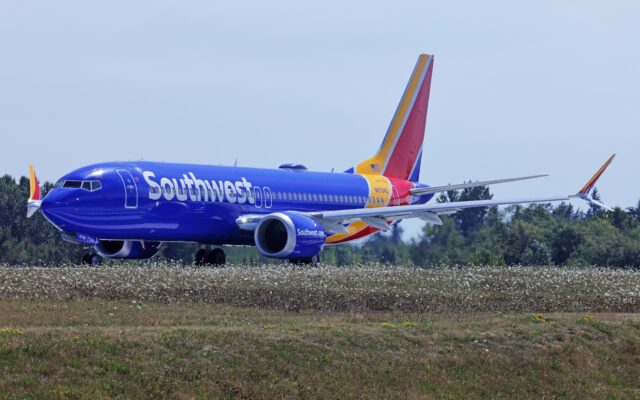
Alaska Airlines is padding its SEA–Bay Area schedule with 16 additional round-trip flights, spread across SEA–SFO and SEA–SJC. For Alaska, this is familiar territory operationally: short stage lengths, high utilization, and a fleet that can scale up quickly without introducing a new aircraft type or crew complexity.
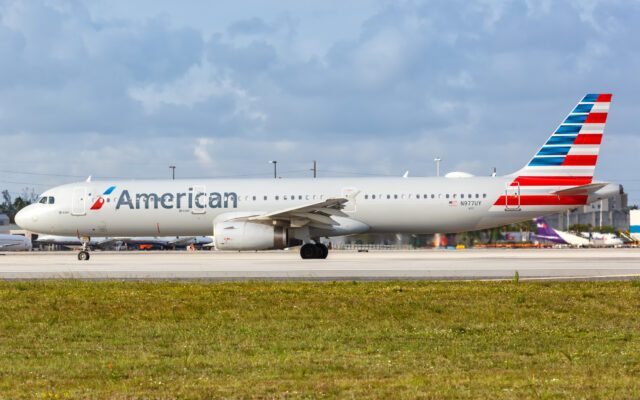
American Airlines is also leaning into SEA–SJC with special sections timed for the fan surge:
-
Additional SEA–SJC flights operate February 5, 6, and 7.
-
Two SJC–SEA returns are scheduled for February 9, catching the post-game rebound when demand is at its sharpest.
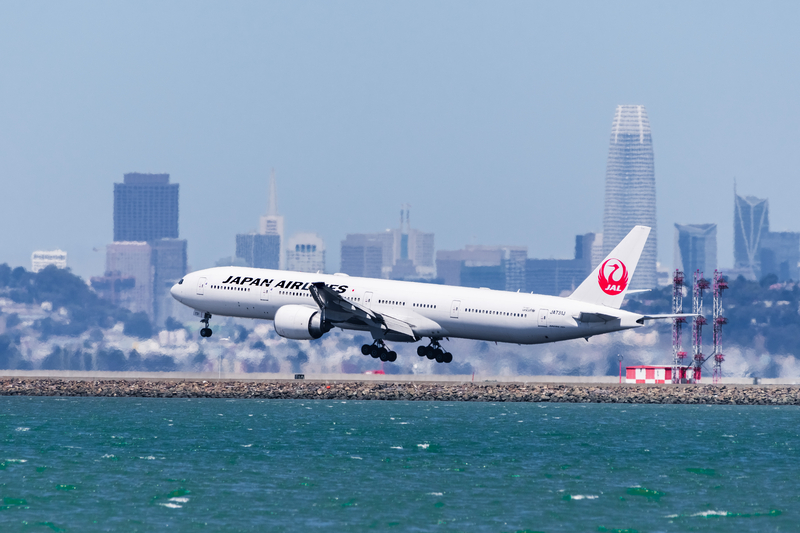
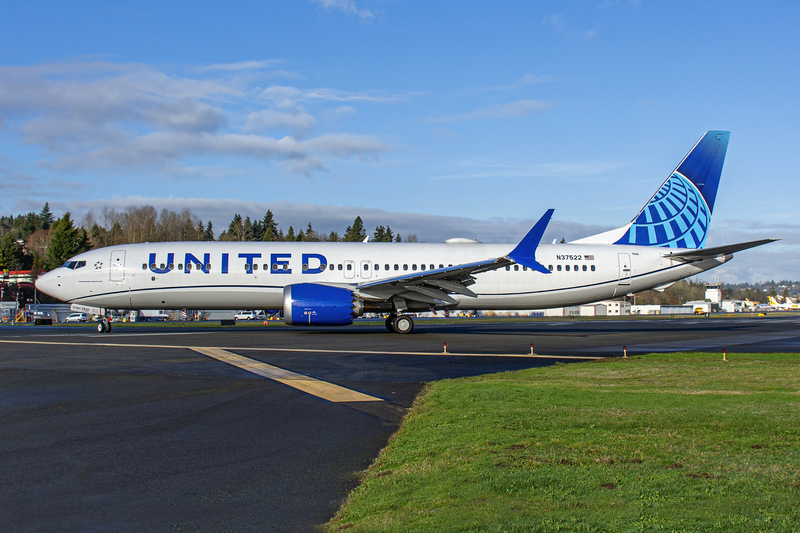
United Airlines, meanwhile, is adding a dedicated SEA–SJC round-trip pair that targets the same peak movement days, using a simple “in, then out” pattern that minimizes knock-on risk across the broader network.
From a network perspective, this is the cleanest way to add capacity: keep the flying on a short leash, avoid overcommitting aircraft for multiple days, and protect the mainline schedule integrity elsewhere.
New England to Northern California: BOS and PVD get one-off Super Bowl lift
On the Patriots’ side of the map, the move is more dramatic because the stage lengths are long and the nonstop options are more limited.
JetBlue is adding 10 extra nonstop flights between New England and San Francisco, including incremental BOS–SFO flying and a special, one-off Providence (PVD) to San Francisco (SFO) round trip. That PVD–SFO piece is the kind of flying airlines love for event weeks: it captures high-yield demand from a defined catchment area and keeps customers from driving to Boston Logan (BOS) to chase scarce transcon inventory.
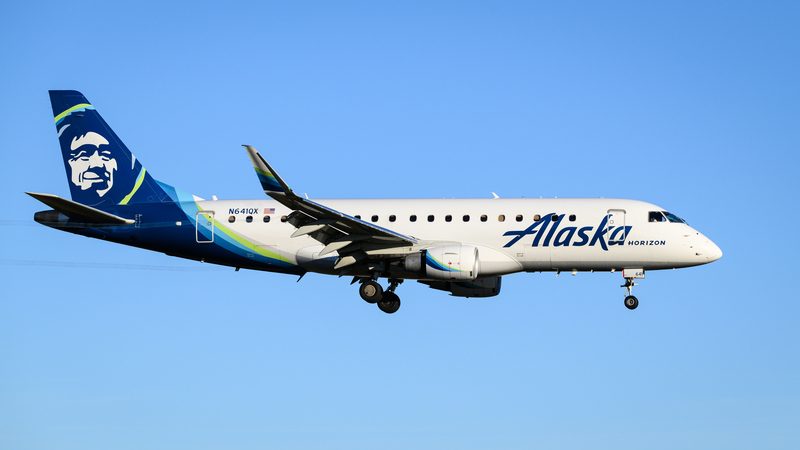
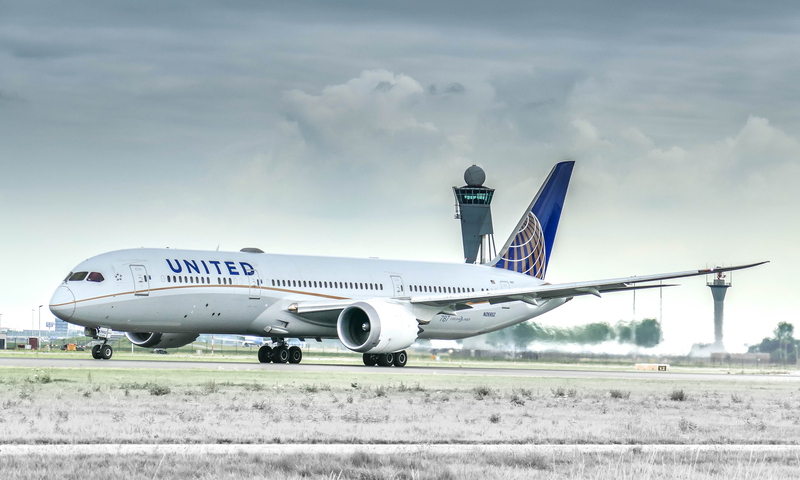
United is also adding Boston-area capacity with extra nonstops to both San Jose (SJC) and San Francisco (SFO), giving travelers flexibility depending on whether they prioritize stadium proximity (SJC) or broader Bay Area connectivity (SFO).
Aircraft and cabin strategy: why this is mostly narrowbody flying
Airlines don’t typically solve a Super Bowl surge with widebodies. The math rarely works. You want frequency more than gauge, because frequency spreads risk and matches the demand curve better across multiple departure banks.
Expect most of these added sections to be operated by high-utilization narrowbodies:
-
Boeing 737 family flying for carriers like Alaska and United on West Coast and transcon support (airframes optimized for quick turns and dense domestic scheduling).
-
Airbus A320-family flying for JetBlue (often used on long domestic sectors, with cabin flexibility and strong economics on transcon stage lengths).
For airline professionals, the key point is this: adding “just enough” flights tends to outperform upgauging. It preserves gate flow, avoids massive single-flight reaccommodation risk, and lets revenue management work with more departure-time options rather than forcing one or two giant departures to carry the entire peak.
Which Bay Area airport is smarter for game week: SJC vs. SFO vs. OAK
If you’re flying in for Levi’s Stadium, San Jose (SJC) is the most direct airport play. Less distance, fewer bridge choke points, and generally a cleaner path to Silicon Valley lodging.
San Francisco (SFO) brings the most overall schedule breadth and tends to be easiest for travelers who want broader Bay Area access, international connectivity, or specific airline loyalty options.
And while it’s not the headline airport for this event, Oakland (OAK) can still be a valuable pressure-relief option in disrupted weeks. If SFO gets metered by weather or ATC programs, OAK is often where travelers find survivable reroute options, especially if they’re willing to trade a bit of ground time for schedule availability.
Bottom Line
Super Bowl LX is doing what it always does to airline networks: compressing demand into a few days and forcing carriers to add targeted, low-risk capacity. The biggest tactical theme is clear: more frequency into the airports that matter most for stadium access, built around narrowbody aircraft that can be inserted without destabilizing the rest of the operation. If you’re watching the schedule chessboard, the story isn’t just “more flights” it’s where they’re added (SJC vs. SFO) and how airlines contain complexity while chasing a very short-lived, very lucrative spike.
Keep reading FlyMag
Get the Daily Brief in the morning or the Route Watch weekly recap on Fridays. Or both.