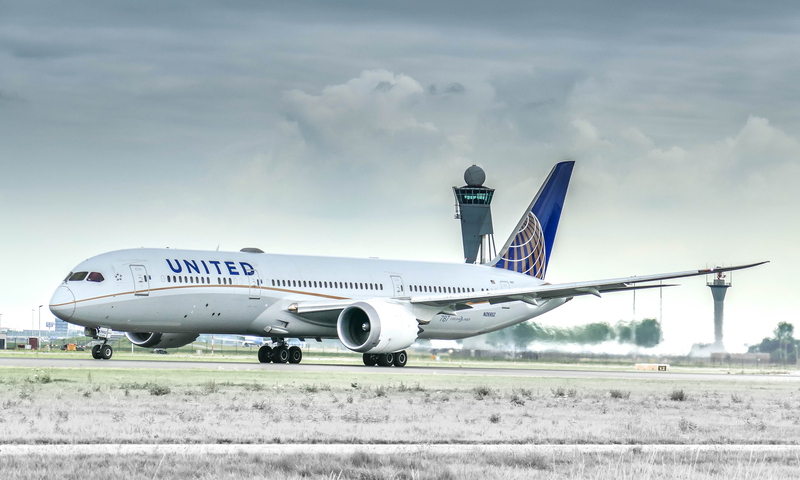
United Airlines is expanding the deployment of its new premium-heavy Boeing 787-9 by adding Zurich Airport (ZRH) as a new destination from San Francisco International Airport (SFO) starting September 1.

That matters because Zurich becomes one of the first long-haul markets to get United’s newest and most premium-focused Dreamliner product. More importantly, it confirms what United is doing with this aircraft: not simply replacing older widebodies, but assigning it to routes where premium demand is strong enough to justify a much heavier concentration of high-yield seats.
For aviation readers, that is the real story. Zurich is not just a new aircraft swap. It is another sign that United is redesigning parts of its long-haul network around revenue quality rather than maximum seat count.
Read our stories in your inbox
Two aviation newsletters. Zero fluff.
Zurich Becomes One Of The First Premium 787-9 Destinations
United’s upgraded 787-9, often referred to as the carrier’s new premium-heavy configuration, is being introduced gradually on select long-haul routes rather than rolled out broadly all at once.
Zurich now joins that list, with the aircraft scheduled to begin operating San Francisco (SFO) to Zurich (ZRH) from September 1. That makes Zurich one of the first clear European beneficiaries of the new product and one of the early proving grounds for how well United’s premium strategy performs in a highly competitive transatlantic market.

That is significant because Zurich is exactly the kind of route where premium configuration matters.
Zurich Is A Textbook Premium Market
There are few better fits for this kind of aircraft than Zurich.
Zurich Airport (ZRH) sits at the center of one of Europe’s most premium-heavy travel markets, combining strong banking and corporate demand with high-end leisure traffic and important Star Alliance connectivity through Switzerland. On the U.S. side, San Francisco International Airport (SFO) brings its own deep premium base through technology, finance, and international business demand.
Put those two cities together and you have a route where business class and premium economy matter more than sheer volume. That makes Zurich an especially logical choice for United’s most premium-skewed 787-9 layout.
The Aircraft Is Built Around Premium Density
The upgraded Boeing 787-9 is very different from a standard long-haul seat-maximization widebody.
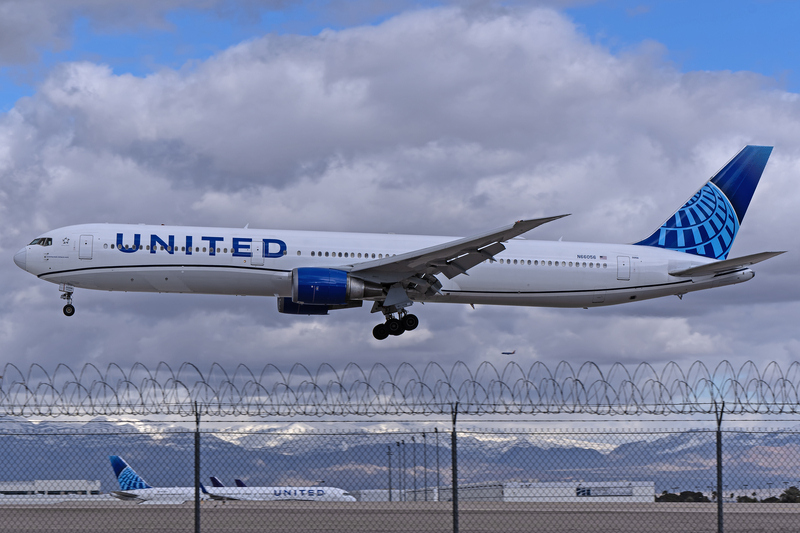
United’s new configuration includes eight Polaris Studio suites, 56 Polaris business class suites, and 35 Premium Plus seats, creating a markedly more premium-heavy mix than the carrier’s older 787 layouts. That reflects a clear industry trend: airlines increasingly prefer to add more premium seats on certain long-haul routes rather than simply adding more total seats.
That strategy works only on routes where the demand can support it. Zurich is one of those routes.
This Is A Yield Move More Than A Capacity Move
One of the most important things to understand is that United is not using this aircraft to flood Zurich with extra volume.
The point of the 787-9 “Elevated” layout is not dramatically higher total seat count. It is a richer cabin mix. That means more revenue opportunity per departure if the market can sustain stronger premium uptake.
In that sense, United is not just upgrading the onboard experience for the sake of product prestige. It is aligning the airplane with routes where higher-yield travelers are already part of the core demand profile.
That is why Zurich fits so neatly.
San Francisco Remains The Natural Home For This Aircraft
The decision to base this premium 787-9 growth around San Francisco also makes strategic sense.
SFO is one of United’s strongest long-haul gateways and one of the airline’s most premium-oriented hubs. It has the local demand, corporate base, and international relevance needed to support more ambitious cabin strategies. If United wants this aircraft to succeed, SFO is one of the best places in the network to deploy it.
That also helps explain why the carrier is using the aircraft on routes such as Singapore, London, and now Zurich. These are all markets where premium traffic is not incidental. It is central to the route case.
Zurich Also Strengthens United’s Star Alliance Logic
There is another layer here too: alliance value.
Zurich Airport (ZRH) is Swiss International Air Lines’ home hub and an important node inside Star Alliance. That means United’s San Francisco–Zurich operation is not just selling local traffic. It also sits inside a wider network of alliance connectivity.
That matters because premium-heavy aircraft often perform best on routes with both strong local demand and useful onward feed. Zurich offers both. Travelers heading beyond Switzerland can connect onward into Europe, while the route still stands strongly on its own because of the business and premium leisure appeal of the city pair itself.
This Is Part Of A Bigger Long-Haul Product Shift
The Zurich announcement should also be read in the wider context of United’s product strategy.
The airline has been pushing hard to modernize its premium long-haul offering, and this aircraft is central to that effort. The combination of privacy doors, more premium seats, upgraded finishes, and a stronger front-cabin proposition is clearly designed to help United compete more aggressively against premium-focused rivals across the Atlantic and Pacific.
That means Zurich is not just getting a newer aircraft. It is getting one of the clearest expressions of United’s current long-haul strategy.
The 787-9 Remains United’s Most Useful Long-Haul Tool
The aircraft itself is also part of why this move is so logical.
The Boeing 787-9 remains one of the most versatile widebodies in service, offering long range, good fuel efficiency, and enough flexibility to work in both transatlantic and transpacific roles. It is especially useful on routes that are too premium-sensitive or too thin for a much larger aircraft, but too important for a smaller narrowbody-style approach.
That versatility is exactly what allows United to deploy a premium-heavy version on markets like Zurich without making the route look oversized.
Bottom Line
United’s decision to bring its new premium-heavy Boeing 787-9 to San Francisco (SFO)–Zurich (ZRH) from September 1 is a strong signal about where the airline sees the most value in its long-haul network.
Zurich is a natural fit for an aircraft with a much larger business-class and premium-economy footprint, and the route reinforces a broader strategy built around high-yield demand rather than pure seat volume. For United, this is not just about a new cabin. It is about matching its most premium aircraft to the markets most capable of rewarding it.
Keep reading FlyMag
Get the Daily Brief in the morning or the Route Watch weekly recap on Fridays. Or both.