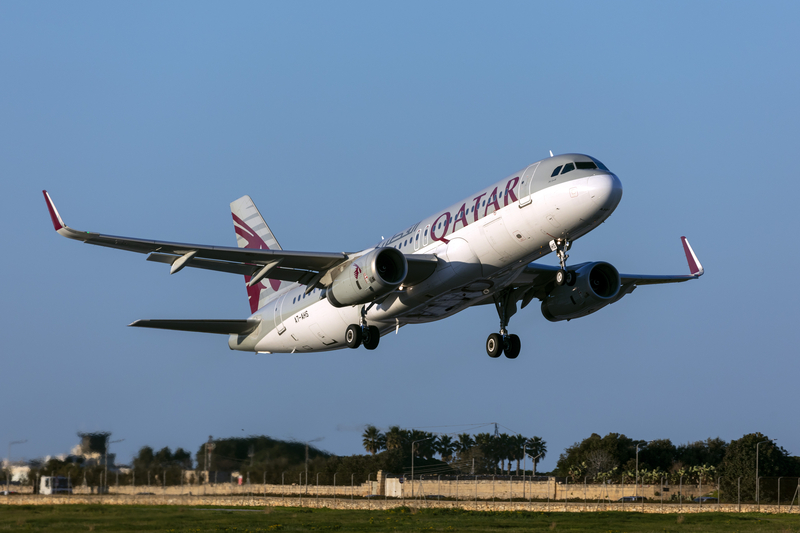
Qatar Airways (QR) has temporarily suspended flights to and from Doha Hamad International Airport (DOH) after Qatari airspace was closed amid rapidly escalating regional security conditions on February 28, 2026. The stoppage came after residents in Doha reported hearing explosions and Qatar’s authorities activated air defenses, as spillover from U.S.-Israeli strikes on Iran triggered a chain reaction of airspace restrictions across the Gulf and wider Middle East.

For aviation, this is the nightmare scenario: a hub airline built on timed connection banks suddenly loses access to its home FIR. When that happens, it’s not just departures that stop—it’s the entire “connective tissue” linking Europe, Asia, Africa, and the Americas through DOH.
Read our stories in your inbox
Two aviation newsletters. Zero fluff.
What changed in the region
The most important operational fact is simple: key air corridors became unusable, fast.
With Iranian airspace closed and neighboring states also implementing closures or severe restrictions—including Qatar, Bahrain (BAH), Kuwait (KWI), and Iraq—the normal high-capacity routings that feed the Gulf hubs were erased. Even where airspace was technically “open,” many airlines treated it as effectively unavailable due to safety risk, ATC flow constraints, and uncertainty over how long restrictions would last.
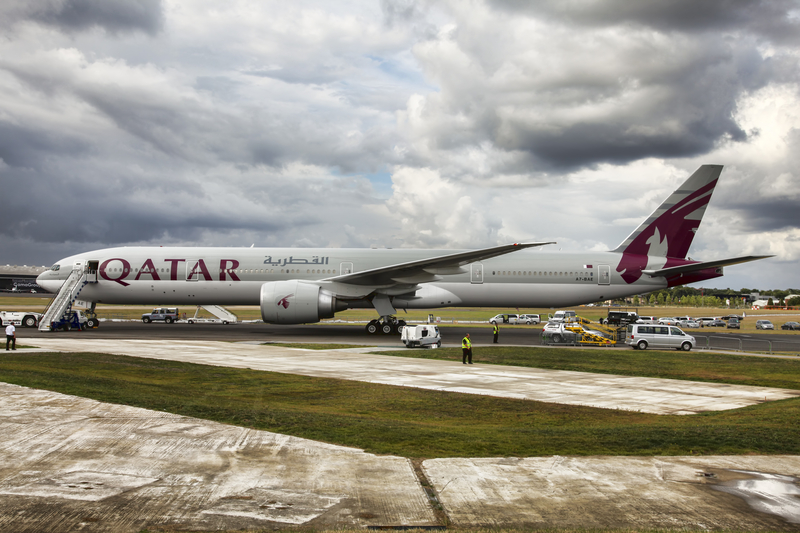
For Qatar Airways, the impact is amplified because DOH sits at the center of the airline’s network design. A single long-haul bank at DOH can involve dozens of widebodies arriving within a narrow window—Boeing 777-300ERs, 787-9 Dreamliners, and Airbus A350s—then departing again in coordinated waves. When those waves are interrupted, aircraft and crews scatter, connections collapse, and recovery becomes a multi-day problem.
What this means for passengers today
If you’re booked to fly Qatar Airways through Doha (DOH), your journey can break in three different ways, depending on where you are in the itinerary:
If you’re in Doha (DOH):
You’re effectively waiting on airspace reopening plus a network restart. Even when an airspace closure ends, the airport doesn’t instantly return to normal. Aircraft must be repositioned back to DOH, crews must regain legal rest, and departure banks have to be rebuilt from scratch. That means rebookings may land on later flights than you’d expect—sometimes days later during a surge.
If you’re departing from another airport worldwide with a DOH connection:
Many flights won’t operate as scheduled because the onward DOH segment is unavailable and inbound aircraft rotations may not be in position. Depending on the origin—think London Heathrow (LHR), New York JFK (JFK), Tokyo Haneda (HND), or Singapore Changi (SIN)—you may be rebooked on alternate routings via other hubs, or offered a refund/credit. But seat availability will be tight, because other carriers are also rerouting and canceling.
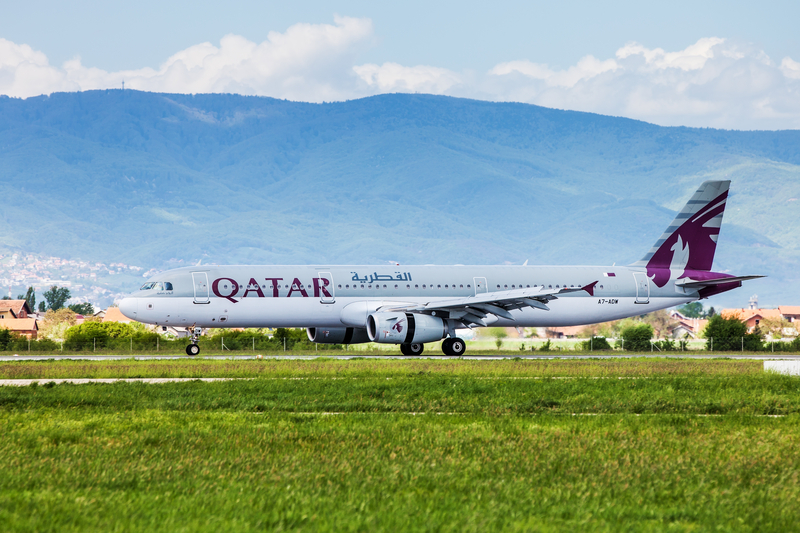
If you’re already airborne toward DOH:
This is where passengers experience “aviation physics” in real time. Aircraft cannot simply loiter indefinitely waiting for a hub to reopen. Many DOH-bound flights will divert to alternates—often large European or regional airports equipped to handle widebodies and hundreds of unexpected passengers—then remain parked until the airline can either continue the journey or reposition aircraft elsewhere.
Why this disruption spreads farther than Qatar
Even travelers not flying Qatar Airways can get caught in the shockwave because DOH is a major global transfer point. When a hub of this size pauses, it doesn’t just strand the passengers on Qatar Airways—it displaces passengers on interline and codeshare itineraries, bumps people into already-full flights across competing carriers, and clogs alternate airports with diversions.
There’s also a network geography problem: with Europe–Asia routings already constrained by other geopolitical factors, removing the Gulf corridor forces longer detours, higher fuel burn, and occasionally payload limits—especially on flights already operating near their range or performance margins.
What to do right now
If your itinerary touches Doha (DOH) in the next few days:
-
Don’t go to the airport unless your flight status shows it is operating and you have a confirmed rebooking.
-
Assume longer-than-normal rebooking timelines, particularly for long-haul routes where frequency is limited.
-
Keep essentials (medication, chargers, one change of clothes) in your cabin bag—diversions and forced overnights can separate you from checked baggage.
-
Watch for carrier-issued travel waivers and self-service rebooking tools, which often open up more options than phone queues.
Bottom Line
Qatar Airways’ suspension of DOH operations is the direct result of a rapidly evolving security environment that pushed Qatar to close its airspace. Because Doha (DOH) is one of the world’s most connection-dependent hubs, the disruption doesn’t behave like a normal weather delay—it behaves like a network outage. Flights divert, aircraft and crews end up out of position, and recovery takes time even after skies reopen.
If your journey relies on a DOH connection, plan for uncertainty: reroutes, delays measured in days rather than hours, and limited seat availability as airlines rebuild schedules across a constrained region.
Keep reading FlyMag
Get the Daily Brief in the morning or the Route Watch weekly recap on Fridays. Or both.