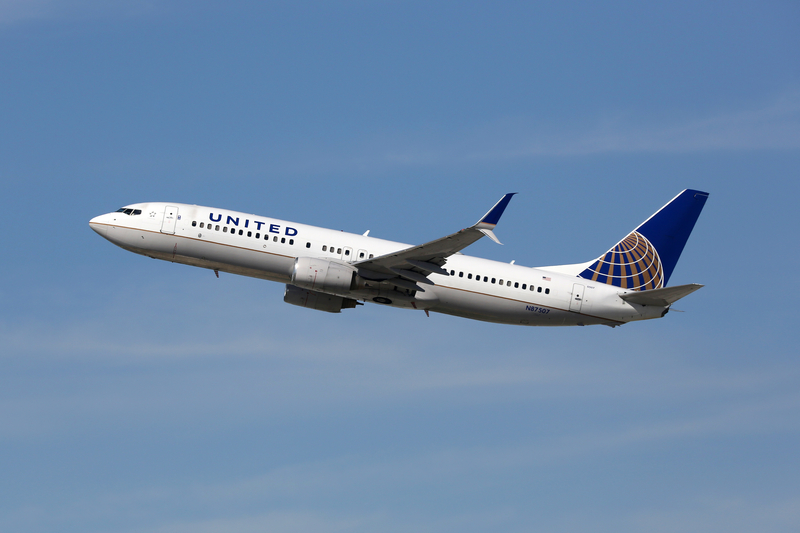
United Airlines’ Starlink rollout has moved from “pilot program” territory into something operationally meaningful: more than 300 aircraft are now flying with the SpaceX-powered system, and the carrier says it’s on track to surpass 800 installations by the end of 2026.

For a network built around high-frequency hubs like Newark (EWR), Chicago O’Hare (ORD), Houston (IAH), Denver (DEN), and San Francisco (SFO), onboard internet isn’t just a passenger perk anymore—it’s part of the product, and increasingly part of the reliability story. When your schedule depends on tight turns and fast reaccommodation, consistent gate-to-gate connectivity becomes another lever to protect customer experience during delays, misconnections, and rebooks.
Why the first 300 aircraft matter
The early focus on United’s two-cabin regional fleet is a strategic choice. That’s where business travelers live—short segments, high frequency, lots of hub feed—and it’s also where legacy Wi-Fi systems have historically been the most inconsistent.
Read our stories in your inbox
Two aviation newsletters. Zero fluff.
Getting hundreds of United Express aircraft up to a uniform connectivity standard does three things:
-
Normalizes expectations across the network: a 45-minute feeder into EWR shouldn’t feel like a tech downgrade compared to a long-haul widebody.
-
Reduces fleet fragmentation: fewer “which Wi-Fi do I have today?” outcomes that frustrate frequent flyers and corporate buyers.
-
Creates scale fast: regional flying accounts for a huge number of daily departures, so upgrading this slice moves the needle quickly.
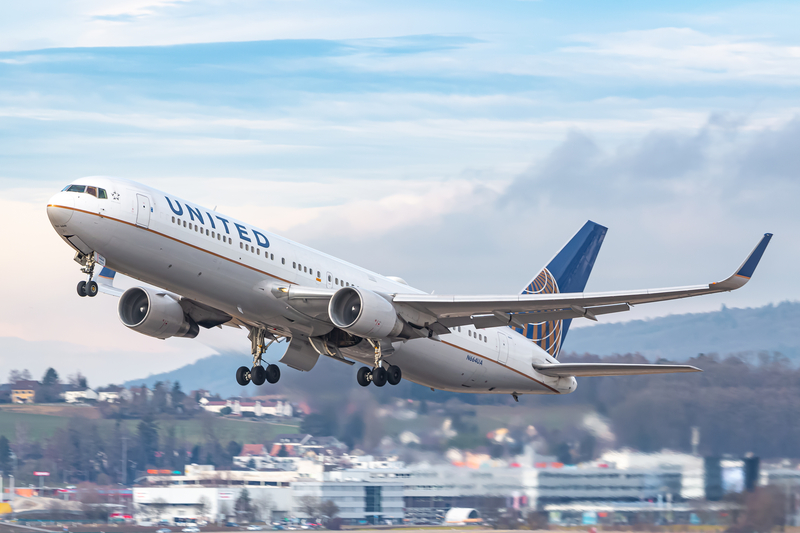
United says millions of customers have already used Starlink across a large number of flights—an important detail because real-world performance, not spec sheets, is what convinces premium travelers.
The engineering story: fast installs, lighter hardware, less downtime
Starlink’s aviation kit is built around a low-profile, electronically steered antenna and simplified cabin networking—one reason airlines like United can install it far faster than older-generation systems.
United’s own messaging around the program emphasizes speed and downtime reduction: aircraft can be pulled for the work, updated, tested, and returned to the line without the extended out-of-service windows that traditionally make connectivity upgrades painful—especially on regional aircraft where utilization is everything.
In practice, this is where the business case improves. If an install can be done alongside routine maintenance planning—rather than forcing multi-day (or multi-week) disruption—it stops being a “nice-to-have” and becomes an operationally manageable fleet standardization project.
Certification and fleet coverage: the STC map is the whole game
The limiting factor in any fleet-wide mod isn’t ambition—it’s certification. Supplemental Type Certificates (STCs) govern which aircraft types can legally operate with a given system, and airlines have to walk model-by-model across the fleet.

United’s first mainline Starlink flight reportedly operated on a Boeing 737 between Newark (EWR) and Houston (IAH), a symbolic milestone because it marks the transition from regional-only wins to the aircraft that carry the airline’s highest-volume domestic traffic.
From here, the sequencing matters. United’s narrowbodies (especially the 737 family and incoming Airbus A321neos) represent the fastest path to “most passengers touched,” while widebodies bring the highest expectation from premium travelers—particularly on Polaris-heavy long-haul flying out of hubs like SFO, EWR, and IAD.
What passengers actually get onboard
For travelers, the headline isn’t satellites—it’s consistency:
-
Gate-to-gate availability changes how people work in the margins of a trip: boarding, taxi, and the first/last 10 minutes of connectivity are often when business travelers are most time-sensitive.
-
Streaming and VPN stability are what corporate accounts care about, especially on routes that routinely carry premium-heavy traffic.
-
A single login ecosystem (tied to loyalty accounts) lowers friction and nudges adoption—an increasingly common play across global carriers.
One important caveat: airlines still set the onboard “rules of engagement.” Even with fast Wi-Fi, most carriers continue to discourage (or technically block) voice and video calls to keep cabins tolerable, and regulators separately restrict airborne use of traditional cellular connections.
What 800+ aircraft by end of 2026 would signal
If United clears 800 Starlink-equipped aircraft by year-end 2026, it effectively creates a new baseline for U.S. network carriers: high-speed connectivity becomes expected, not advertised.
Operationally, it’s also a statement about simplification. United has historically managed multiple onboard connectivity providers across subfleets. Moving toward a single, high-performing standard reduces complexity for maintenance teams, cabin crews, and customer support—and makes it easier to deliver a consistent premium narrative whether you’re on a 76-seat regional jet into ORD or a mainline narrowbody across the continent.
Bottom Line
United’s Starlink rollout is no longer a talking point—it’s a fleet program with visible scale. Crossing 300 equipped aircraft and targeting 800+ by the end of 2026 sets up a real competitive differentiator: consistent, modern connectivity across the regional network first, then rapidly across mainline aircraft from hubs like EWR, ORD, IAH, DEN, and SFO. If the certification pace holds, the next phase is where the brand impact compounds—because once mainline narrowbodies and long-haul fleets are fully in the mix, “good Wi-Fi” stops being a feature and becomes part of what passengers assume United should deliver.
Keep reading FlyMag
Get the Daily Brief in the morning or the Route Watch weekly recap on Fridays. Or both.