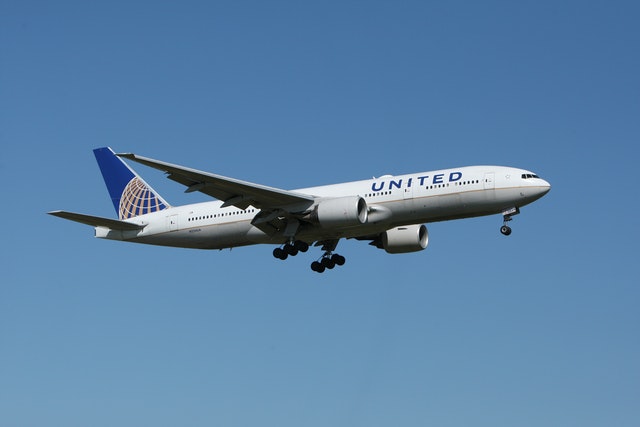
Passengers on United Airlines flight UA969 from Amsterdam Schiphol Airport (AMS) to San Francisco International Airport (SFO) ended up on one of the strangest long-haul journeys of the year after their Boeing 777-200ER diverted twice in less than 24 hours.

The flight first departed Amsterdam and then returned to Schiphol shortly after takeoff. After several hours on the ground, the same aircraft tried again, crossed the Atlantic successfully, and still did not reach California nonstop. Instead, it diverted a second time, this time to Newark Liberty International Airport (EWR), before finally completing the trip to San Francisco the next morning.
For aviation readers, the remarkable part is not just that the flight diverted twice. It is that the same aircraft was returned to service after the first diversion and still did not make it to destination without another unscheduled stop.
Read our stories in your inbox
Two aviation newsletters. Zero fluff.
The First Problem Happened Almost Immediately
The first attempt from Amsterdam ended unusually early.
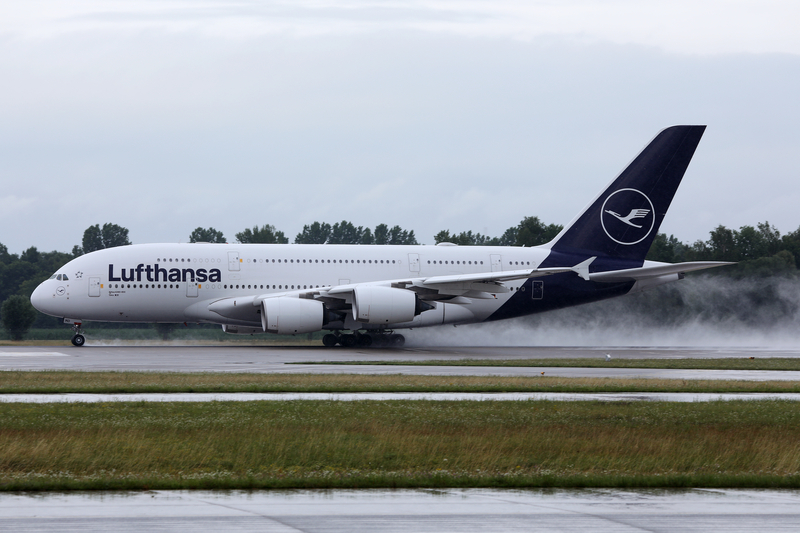
Shortly after departure, the Boeing 777-200ER stopped its westbound progress, turned back over the North Sea, and returned to Schiphol. That kind of early turnback on a long-haul flight is often the most practical response when a problem develops before the aircraft has gone too far from its departure base. At that stage, the airline still has full ground support, maintenance capability, and the easiest passenger-handling options available at the origin airport.
That is likely why Amsterdam was chosen as the endpoint of the first disruption rather than any other airport.
The Reason For The First Return Appears To Have Been Technical
United did not publicly detail the specific cause at the time, but the pattern of events strongly indicates the first diversion was driven by a technical issue serious enough to justify an immediate return.
That matters because if an aircraft returns to base on a long-haul departure, maintenance teams then have to decide whether the problem is resolved well enough for the same aircraft to try again. In most cases, if the airline sends the same airplane back out, it believes the issue has either been corrected or contained.
That makes what happened next especially unusual.
The Second Attempt Got Much Farther — But Still Failed To Reach San Francisco
After several hours on the ground in Amsterdam, UA969 departed again.
This time, the aircraft successfully crossed the Atlantic and reached North American airspace. But instead of continuing all the way to San Francisco, the flight later diverted to Newark. That is what turned the event from a standard technical return into a genuinely rare “double-diversion” long-haul ordeal.
For the passengers, it meant the day’s disruption was no longer just an Amsterdam problem. It became a full transatlantic schedule collapse.
Newark Was The Practical Place To End The Second Problem
One of the most interesting parts of the second diversion is the choice of airport.
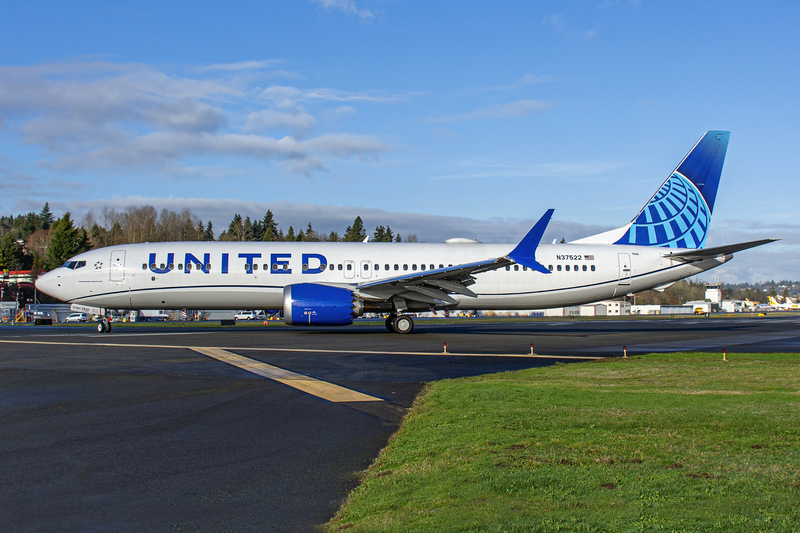
Newark is a United hub, which means it offers exactly what an airline wants when a long-haul flight can no longer continue normally: maintenance support, crew infrastructure, reaccommodation capability, and a strong operational platform to decide what happens next.
That matters because by the time the aircraft reached the U.S. East Coast, United may have had several theoretical diversion options. But Newark was the one where the airline could best control the recovery.
The Aircraft Finally Reached San Francisco The Next Morning
After the diversion to Newark, the same Boeing 777-200ER later continued west and finally reached San Francisco the next morning.
That means what should have been a normal nonstop transatlantic flight became a multi-stage journey stretching close to a full day from the original departure. For a route that ordinarily relies on predictability and long-haul efficiency, the operational disruption was extraordinary.
It is very rare for a widebody to return to origin, relaunch, divert again, and still continue on with the same basic mission chain.
One Detail May Explain The First Return
A passenger account circulating publicly suggested the first return to Amsterdam may have been linked to a lack of running water onboard.
That detail has not been formally confirmed by United, so it should be treated carefully. But it does fit one important aviation principle: some non-engineering issues can still be serious enough to prevent a long-haul flight from continuing, especially if they affect lavatories, cabin serviceability, or broader airworthiness and regulatory standards over an 11-hour sector.
Even if the exact cause remains unclear, the pattern points to a problem significant enough that continuing the first attempt was not acceptable.
What Makes This Event So Unusual
Long-haul diversions are not unheard of. Technical returns to departure base are not unheard of. Diversions to a hub on the far side of the Atlantic are not unheard of.
What is unusual is the sequence.
The same aircraft:
- departed Amsterdam
- returned to Amsterdam
- departed Amsterdam again
- diverted to Newark
- then finally flew to San Francisco
That is a highly irregular chain for a single scheduled long-haul service, and it is why the flight drew so much attention among trackers and passengers alike.
Bottom Line
United flight UA969 from Amsterdam to San Francisco turned into an exceptionally rare double-diversion journey when a Boeing 777-200ER first returned to Schiphol shortly after departure and then, after relaunching, diverted again to Newark before finally reaching California the next morning.
The most important point is not only that passengers endured a near-24-hour disruption. It is that the event shows how even a manageable long-haul technical issue can become operationally extraordinary once the first recovery attempt fails to fully restore the mission.
Keep reading FlyMag
Get the Daily Brief in the morning or the Route Watch weekly recap on Fridays. Or both.