A Singaporean pilot is among 13 people detained in Laos after authorities intercepted 521 kilograms of suspected crystal methamphetamine at Luang Prabang (LPQ) on October 1.
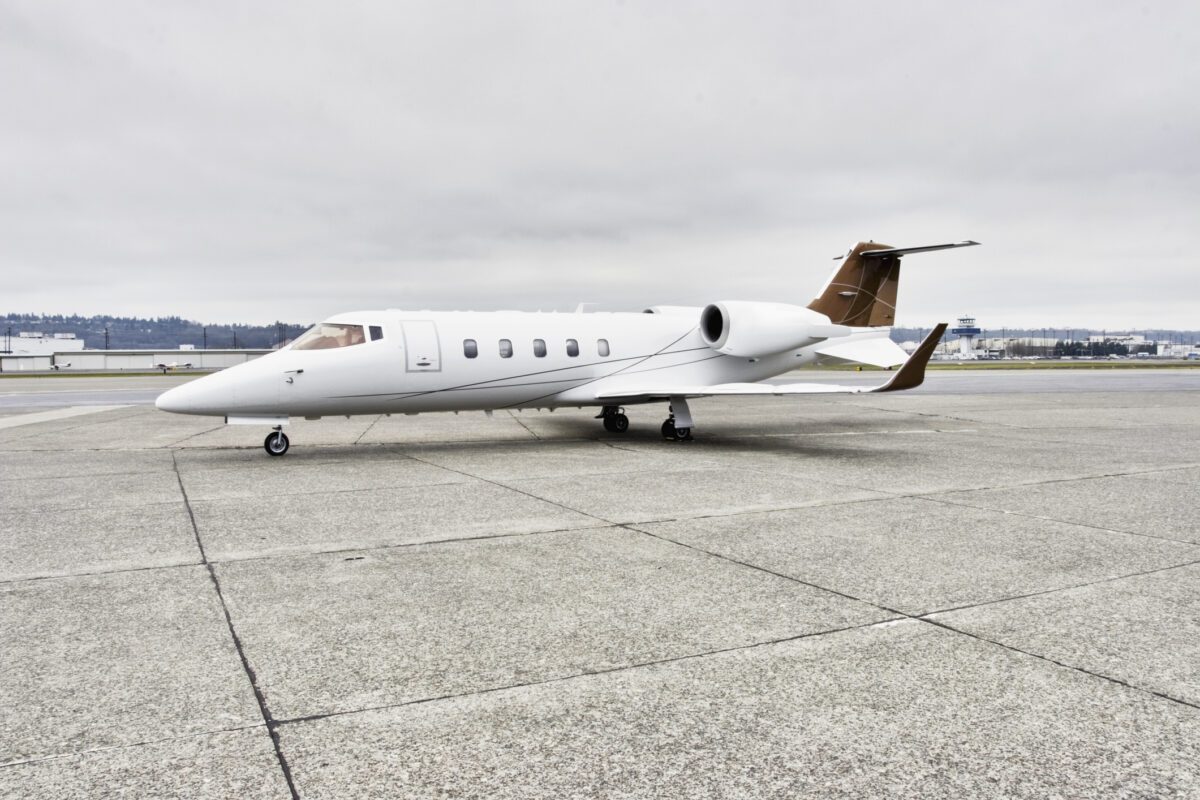
The investigation centers on N73GP, a US-registered Learjet 55B that had arrived from Subang (SZB) with two pilots and one passenger. Malaysian police identified the flight crew as a Singaporean captain and Malaysian co-pilot, while the sole passenger was a Philippine national.
Lao authorities also detained 10 Lao nationals: three employees of a ground-handling company and seven airport workers associated with X-ray screening. The detentions remain part of an investigation, and the authorities have not announced findings establishing the individual responsibility of those held.
Read our stories in your inbox
Two aviation newsletters. Zero fluff.
Police Intercept 23 Bags at Luang Prabang
Provincial police had received information on September 21 about a plan to use a private aircraft in a cross-border drug movement, according to the account released through Lao public-security media. The flight was initially expected several days earlier but was rescheduled for October 1.
N73GP departed SZB at about 11:30 a.m. local time and reached LPQ at approximately 1:30 p.m., according to CGT Asia, the charter company operating the flight.
Two vehicles subsequently arrived in the airport area with 23 pieces of baggage. Lao authorities said airport personnel moved the bags from the vehicles, through the airport’s screening process and toward the waiting aircraft.
An inspection found 500 packages of suspected crystal methamphetamine with a combined weight of 521 kilograms. The substances were distributed among 21 suitcases, while two bags contained personal effects. Police seized the baggage, the Learjet and a pickup truck as evidence.
The people detained included the three occupants who had flown from Subang, the ground personnel and the airport screening employees. The aircraft did not depart Laos.
Operator Says Crew Rejected the Baggage
CGT Asia presented a more detailed account of the proposed onward sector in a statement issued on October 7. The company said the Philippine passenger boarded at SZB without carry-on baggage and was the only passenger on the flight to Laos.
According to the operator, the crew had been told that the passenger planned to collect luggage containing vape products at LPQ and would personally arrange customs clearance. The crew had not been told that approximately 23 bags would be presented.
The intended next sector was from Luang Prabang to Manila (MNL), after which the aircraft was scheduled to return to Subang. CGT Asia said its crew raised concerns about the volume of baggage, available stowage, weight and balance, and the possibility that vape products could contain lithium batteries or other regulated dangerous goods.
The operator said the crew refused to carry the luggage before learning that it allegedly contained controlled substances. It maintained that the bags were not accepted or loaded aboard N73GP and said the crew had no prior knowledge of their suspected contents.
That statement differs in an important detail from the initial Lao account, which described airport workers moving the baggage through screening and toward the aircraft. Whether any of the bags physically reached the Learjet, and at what point police intervened, is among the sequence of events investigators will have to establish.
Flight Had Left Malaysia Without Cargo
Malaysia’s Narcotics Crime Investigation Department said information received from Lao authorities indicated that N73GP left Subang without the suspected drug shipment. Police believe the baggage was introduced at Luang Prabang and was intended for Manila rather than Malaysia.
The distinction matters because the jet’s arrival from SZB initially raised the possibility that the drugs had traveled from Malaysia. The investigation now concerns a proposed Laos-to-Philippines movement using an aircraft and crew positioned through Malaysia.
Malaysian police said officers would travel to Laos to interview those detained and examine possible links to people or organizations in Malaysia. On October 7, Malaysian border and police units also raided a hangar at SZB and detained four people for further investigation. Authorities had not publicly assigned criminal responsibility to those detained in the Subang operation.
CGT Asia said it would cooperate with investigators and provide relevant flight documentation and other records. The company describes its business as including private charter, air ambulance and aviation consultancy services.
Seized Aircraft Is a 1986 Learjet 55B
The Federal Aviation Administration registry identifies N73GP as a 1986 Gates Learjet 55B, serial number 55-127. Its US registration was valid when the aircraft was seized, with TVPX ARS Inc. Trustee listed as the registered owner. A trustee registration does not, by itself, identify the aircraft’s beneficial owner or commercial operator.
The 55B is a twin-engine midsize business jet powered by Garrett TFE731-series engines. FAA records list 13 seats, although the number does not establish the cabin layout in use on the October 1 flight.
Eurocontrol’s aircraft performance database gives the Learjet 55 a maximum takeoff weight of 9,530 kilograms, a typical cruise speed of about 400 knots and a range of approximately 2,500 nautical miles. That performance makes the type suitable for the regional itinerary under investigation, but 521 kilograms of baggage would still require careful assessment of fuel, stowage limits and center of gravity before departure.
The airplane itself remains evidence in Laos. Investigators can use its flight planning, handling, fueling, customs and communications records to reconstruct who arranged the charter, how the onward sector was prepared and which parties knew about the baggage before it reached the airport.
Bottom Line
The case puts the focus on controls surrounding ad hoc international charter operations rather than scheduled passenger screening alone. A private jet may carry only a handful of people, but the chain behind one movement can include brokers, operators, handling agents, customs intermediaries, airport screeners and outside vehicles. Investigators will need to separate routine operational involvement from knowing participation in the alleged trafficking attempt.
Weight-and-balance and dangerous-goods checks may also prove central. CGT Asia says the crew rejected an unexpectedly large consignment because it was operationally unsuitable before authorities identified the suspected drugs. Flight paperwork, load calculations, baggage acceptance records and communications with the customer should show whether that account aligns with the physical evidence and airport surveillance.
The investigation has already expanded beyond Laos, with Malaysian authorities examining the Subang end of the operation. The next significant developments will be any formal charges, confirmation of laboratory testing, and evidence showing who commissioned the aircraft and arranged the proposed LPQ-MNL sector.
Keep reading FlyMag
Get the Daily Brief in the morning or the Route Watch weekly recap on Fridays. Or both.