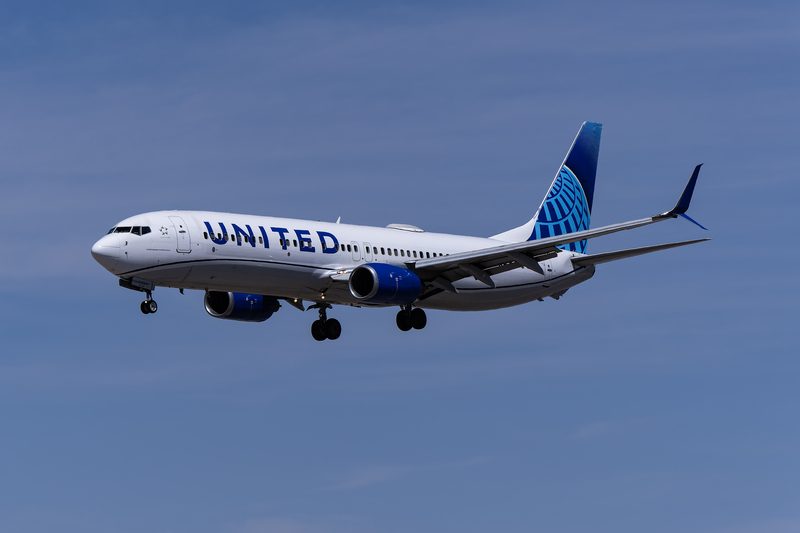
United Airlines Chief Executive Scott Kirby says the carrier would establish a hub at Miami International Airport (MIA) if it could secure the 40 to 50 gates needed to support a large connecting operation.

Kirby made the remark during an interview with The CEO Signal while discussing United’s ambition to build a network capable of competing across every major international region.
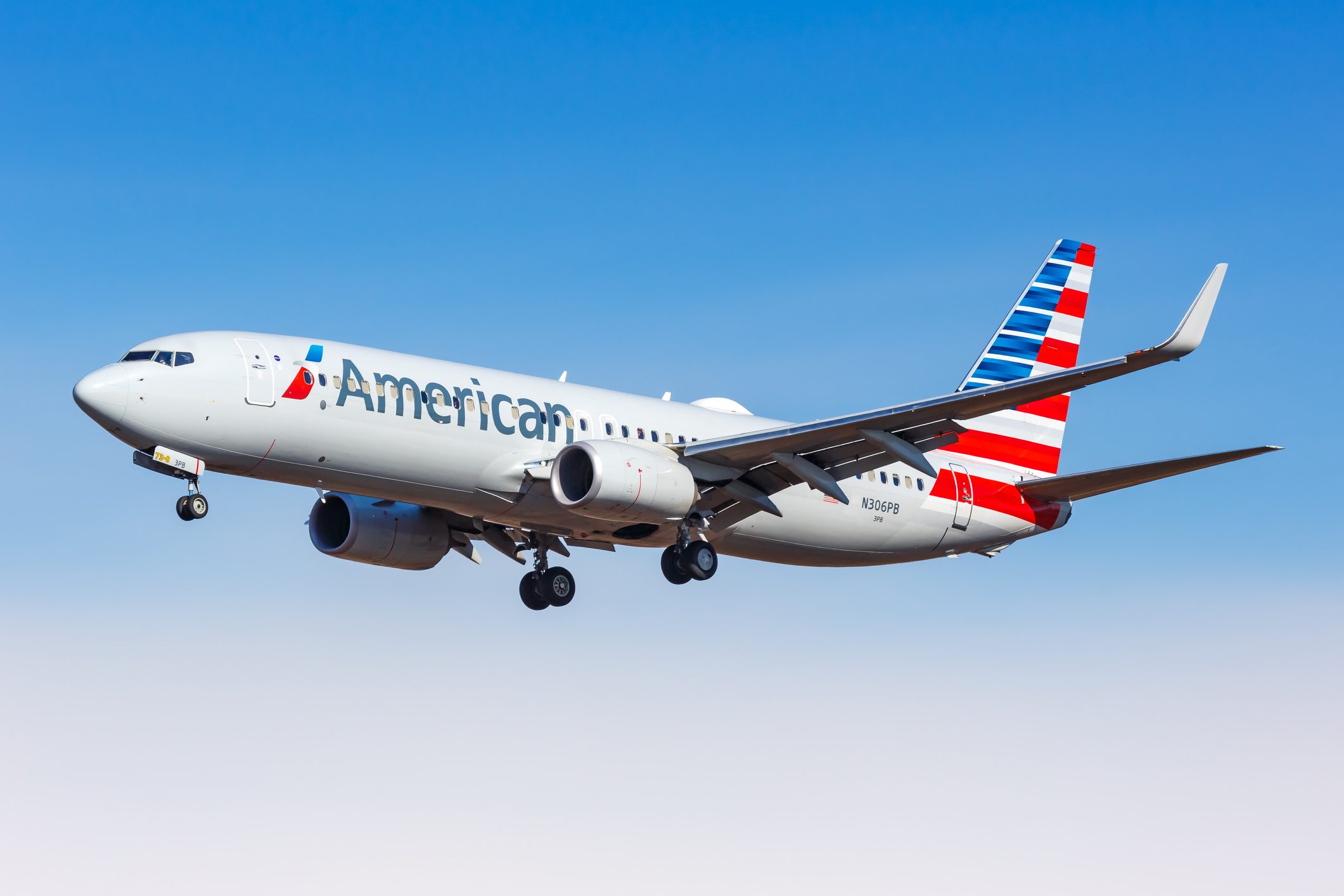
“I wish we could get 40 or 50 gates in Miami,” Kirby said, identifying South America as a relative weakness in United’s otherwise extensive global network. He added that American Airlines was unlikely to relinquish the facilities necessary for United to reach hub scale.
Read our stories in your inbox
Two aviation newsletters. Zero fluff.
The comment was hypothetical rather than an announcement of a new hub, gate agreement or construction program. It nevertheless provides a clear assessment of how United views Miami’s strategic value and why the airline cannot readily reproduce American’s South America network from another United hub.
American’s Gate Position Is the Central Barrier
American does not own MIA’s gates. Miami-Dade County retains ultimate control of the airport’s facilities, including gates assigned to individual airlines on a preferential-use basis.
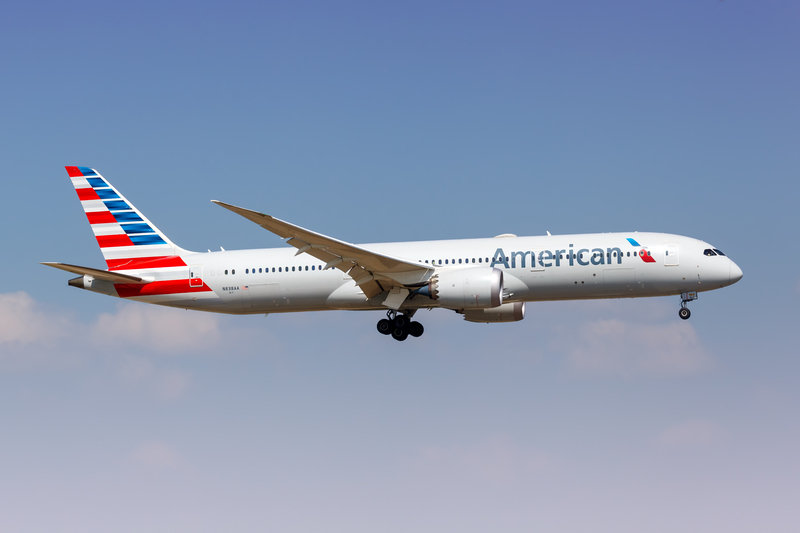
In practice, however, American’s footprint leaves little room for a second network carrier seeking dozens of adjacent gates. A Miami-Dade gate inventory from May 2024 listed 135 passenger gates, including 61 in Concourse D. All 61 Concourse D gates were designated for preferential use.
A separate county report on MIA’s gate agreements said American occupied those 61 North Terminal gates and another seven in the Central Terminal. The document emphasized that no MIA carrier leases its gates outright and that the Miami-Dade Aviation Department can recapture a preferential gate if an airline does not meet utilization requirements.
That distinction matters legally, but it does not make Kirby’s desired buildout much easier. United would need an allocation approaching the size of the entire existing Concourse D operation. Acquiring scattered common-use gates across multiple concourses would not provide the operational coherence required for tightly timed domestic feed, international departures, baggage transfers and aircraft swaps.
American and its affiliates accounted for 60.5% of MIA passengers in fiscal 2025, according to the airport’s latest comprehensive financial report. That concentration reflects an established hub rather than merely a large schedule: American has the gates, local customer base, connecting banks and regional network needed to sustain frequencies that a new entrant would have to build over several years.

Why Miami Matters for South America
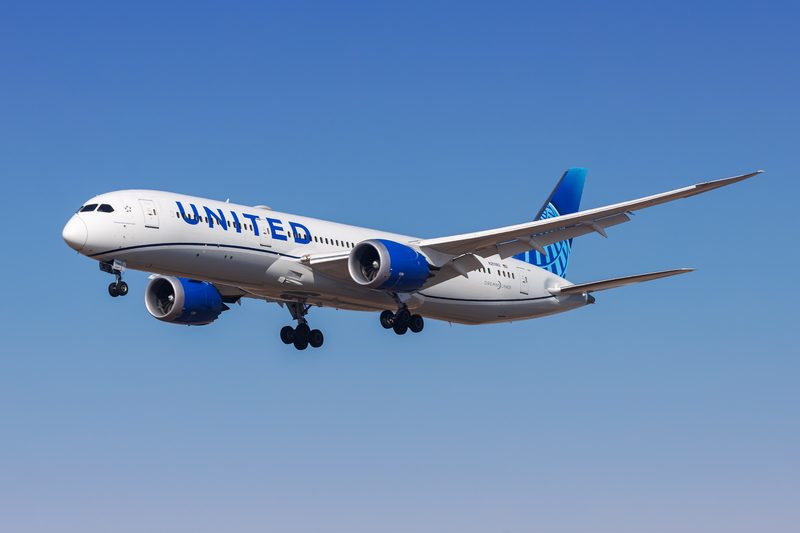
United already has a major Latin America gateway at Houston Intercontinental (IAH), inherited through its merger with Continental Airlines. Houston is well placed for Mexico and Central America and supports United’s existing service to the southern continent.
Miami offers a different combination of geography and traffic. Its large local market has deep commercial, cultural and family links across the Caribbean and Latin America, reducing the amount of connecting traffic required to support a route. The airport can then combine that local demand with connections arriving from across the United States.
American’s 2026 schedule illustrates the resulting breadth. The airline says it will operate more than 410 peak daily departures from Miami and serve 100 destinations across Mexico, the Caribbean and Latin America during the winter season.
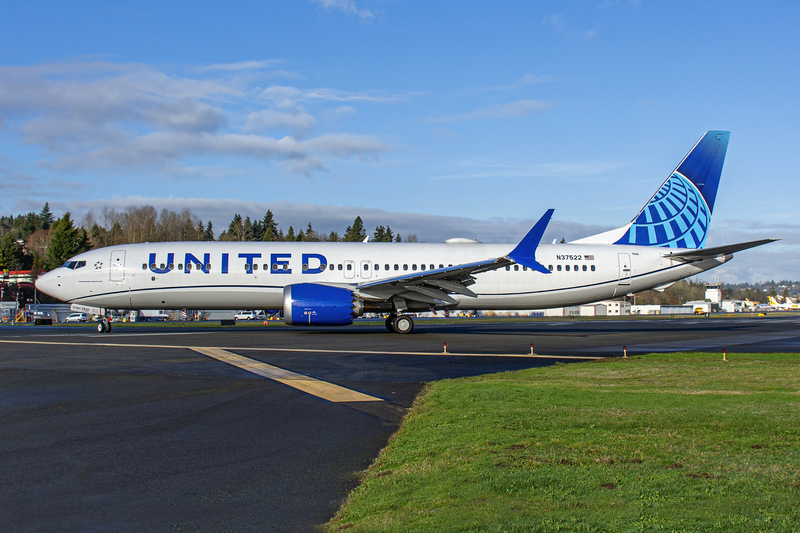
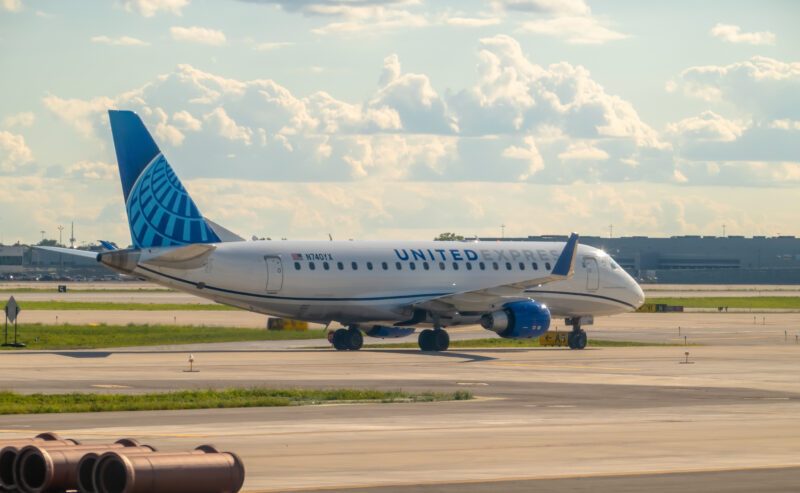
That network spans markets with markedly different aircraft requirements. American plans to operate Miami-Maracaibo with the Embraer 175, a two-cabin regional jet suited to thinner sectors where frequency and connectivity matter more than maximum gauge. Miami-Cap-Haitien will use the larger Boeing 737 narrowbody. Long-haul South America services can be layered over that short- and medium-haul feed with widebody aircraft.
For United, 40 to 50 gates would therefore represent more than room for additional Miami flights. They would permit waves of domestic arrivals to connect with departures across the Caribbean and South America, while leaving enough resilience for irregular operations and longer international turn times.
MIA’s Expansion Will Not Produce 50 Vacant Gates
Miami-Dade is investing heavily in the airport, but the projects now underway do not create an obvious block of facilities for United.
The county and American announced in February that the D60 area will be rebuilt by 2030. The $1 billion project will replace the current arrangement of 17 ground-level regional aircraft positions with 17 conventional contact gates capable of handling larger regional jets and narrowbody aircraft. Each gate will also connect to the North Terminal’s federal inspection facilities.
It is a major improvement in gate quality and passenger handling, but it does not amount to 17 gates becoming available to another airline. The work is integrated into Concourse D, American’s core Miami facility, and is being developed around the requirements of the existing hub.
On the other side of the airport, the new Concourse K is scheduled to add six contact gates in 2029. The facility is being designed primarily for narrowbody aircraft, with future international capability. Six gates could support a substantial focus city or an expanded station, but not the 40- to 50-gate complex Kirby described.
The airport’s wider modernization program includes a redevelopment of the aging Central Terminal and further gate optimization. Those projects will improve flexibility, but MIA is also preparing for traffic growth to 77 million annual passengers by 2040. New capacity is intended to accommodate rising airport-wide demand, not necessarily to displace the dominant carrier.
United Has Operated a Miami Gateway Before
Kirby’s idea would return United to a market where it once had a much larger international role. After acquiring Pan American World Airways routes, United built a substantial Latin America operation at Miami during the 1990s.
A United corporate filing covering 1994 recorded nonstop service from Miami to eight Latin American cities, with another Brazilian destination then planned. The operation was progressively reduced as United restructured its network and finances.
United’s 2003 annual report said the airline would end its daily Miami services to Buenos Aires and São Paulo on May 1, 2004. It subsequently concentrated its Latin America flying elsewhere, while the later Continental merger brought Houston and its established southern network into the United system.
Rebuilding Miami today would be considerably more difficult than adding several point-to-point routes. American has spent decades consolidating its schedule and facilities at MIA, while United’s fleet, crews, maintenance resources and customer flows are structured around its existing hubs.
Bottom Line
Kirby’s comment is best read as a statement about the limits of United’s current network rather than evidence of an imminent Miami expansion. The airline can add individual MIA routes, but a credible challenge to American in South America would require a contiguous gate complex, a large domestic schedule and enough time to build connecting flows without relying entirely on low introductory fares.
Miami-Dade ultimately controls the gates, yet the scale Kirby described means that incremental recapture would not be enough. United would need a major reallocation, a purpose-built terminal expansion or a fundamental change in how existing facilities are used. The six-gate Concourse K project and the reconstruction of D60 improve MIA’s capacity, but neither provides an available second hub of the size United wants.
The remark also signals that Houston, despite its importance, does not fully solve United’s South America problem. Miami combines local demand, geography and network depth in a way that is difficult to duplicate. Unless a large block of gates becomes available, American’s most defensible hub advantage may be the physical infrastructure beneath its schedule.