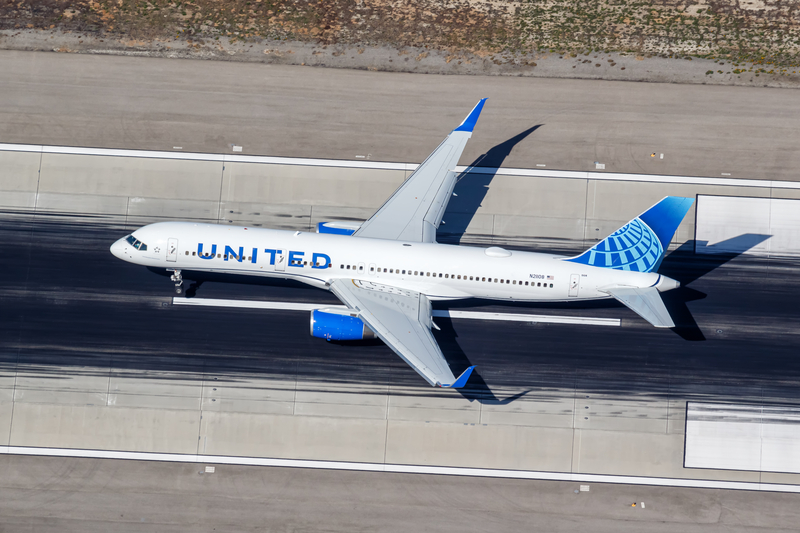
United Airlines (UA) has taken a step that cabin crews and frequent flyers have been quietly hoping for: it has written “no speaker audio” into its Contract of Carriage, giving the airline clearer authority to escalate beyond a friendly reminder when a passenger insists on playing audio or video out loud.

The update—added to United’s Refusal of Transport language on February 27, 2026—means a traveler who refuses to use headphones while listening to content on a personal device can be denied boarding, removed, or refused transport on a temporary or permanent basis. In real-world terms, that “permanent basis” is the lever that allows United to bar repeat or noncompliant passengers from future UA flights.
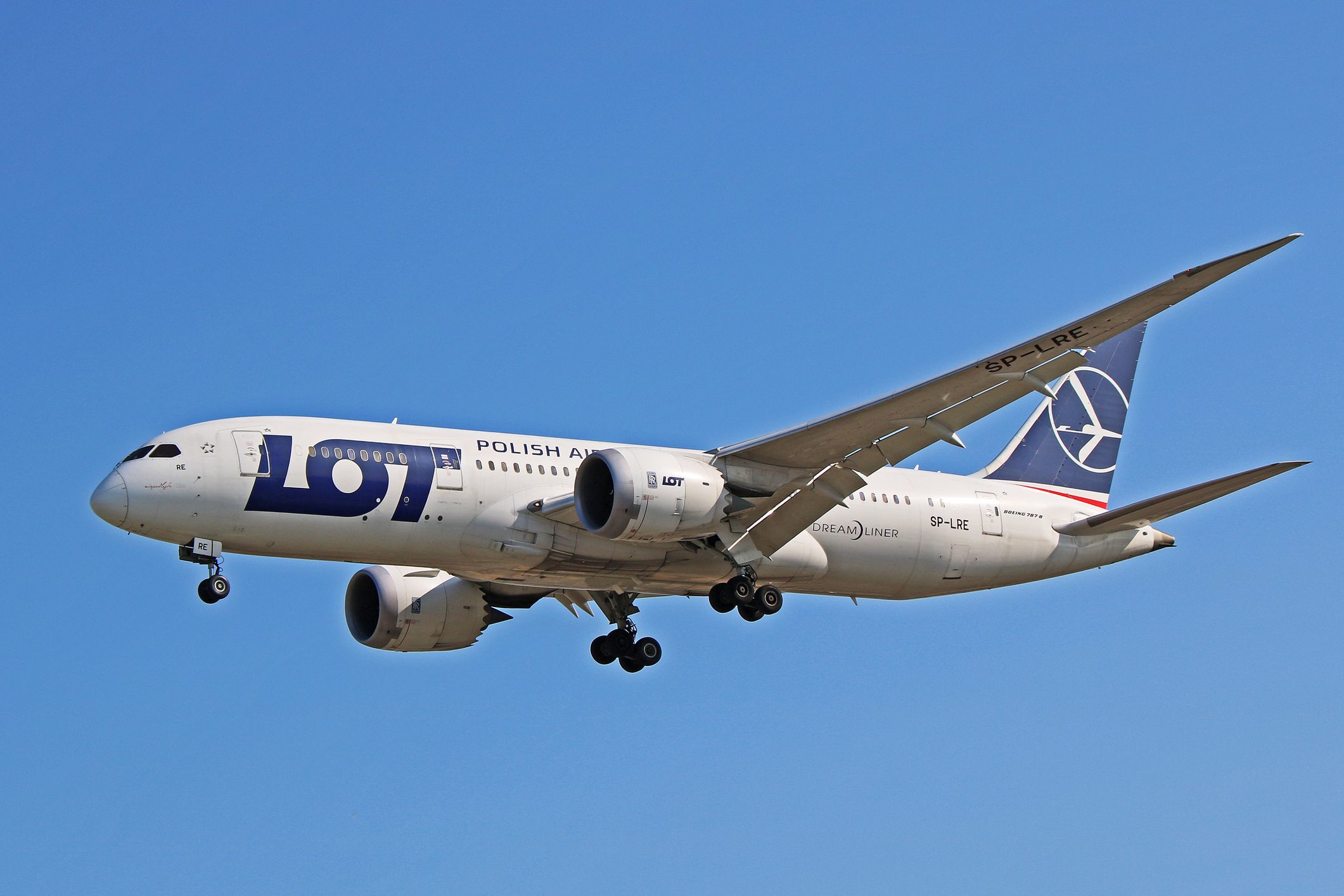
This applies across the network—whether you’re on a 45-minute hop on a Boeing 737 out of Chicago O’Hare (ORD) or a long-haul Boeing 787-9 from Newark (EWR) to London Heathrow (LHR).
Read our stories in your inbox
Two aviation newsletters. Zero fluff.
Why this matters operationally
Airlines have always expected passengers to use headphones. The difference now is enforceability.
When etiquette problems aren’t backed by a clear policy, the burden shifts to the flight attendants to negotiate compliance case by case. That’s not just uncomfortable; it’s operationally risky. In a cramped cabin, one “I don’t have to” argument can escalate, delay service, and pull attention away from safety-critical duties—especially on packed narrowbodies where cabin crews are running tight service timelines and managing bins, aisle flow, and compliance checks.
By anchoring the rule in the Contract of Carriage, United reduces ambiguity. It gives crews and customer-facing teams a clear “this isn’t a suggestion” basis to de-escalate early—and, if necessary, to document and action repeat behavior after the flight.
The practical change passengers will notice
For most travelers, nothing changes because they already use earbuds. The difference is what happens when someone doesn’t.
United’s updated policy effectively creates an escalation path:
-
Friendly request to use headphones or mute audio
-
Assistance if the issue is non-malicious (United can provide basic wired earbuds)
-
Refusal to comply can trigger removal or a future travel refusal under the airline’s existing enforcement framework
That middle step matters. United isn’t pretending every case is bad intent—people do forget earbuds. The policy is aimed at the small number of passengers who won’t comply after being asked.

Why we’re seeing this now
Cabins have become louder for two reasons airline professionals see every day:
-
More personal-device streaming: Seatback screens aren’t universal anymore, and many passengers watch content on phones and tablets.
-
Better onboard connectivity: As airlines improve Wi-Fi and gate-to-gate connectivity, more people default to “always on” entertainment behavior—sometimes without thinking about the shared environment.
United is essentially protecting the “quiet cabin baseline” as the tech stack improves and device use rises.
What this means for cabin crews and service consistency
From a crew perspective, the update isn’t about punishing passengers—it’s about standardizing expectations.
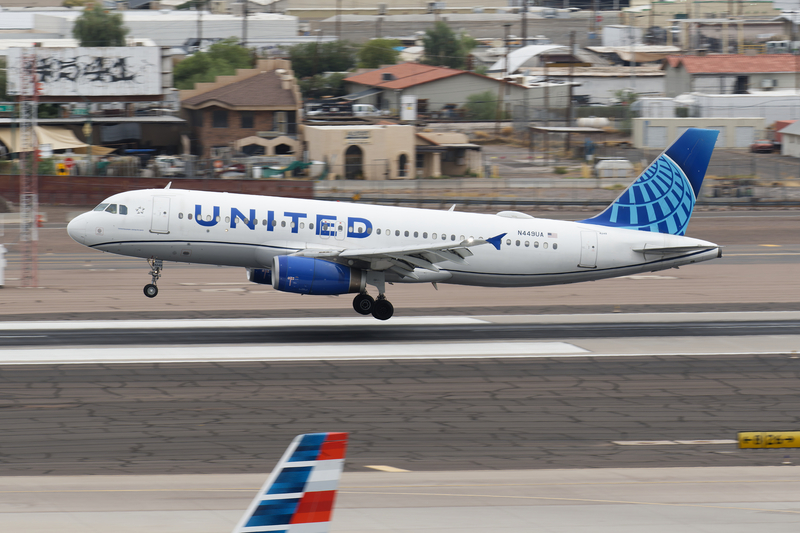
On high-density aircraft like the 737 family, A320-family jets, and even widebodies like the 777-300ER and 787, the passenger experience is highly sensitive to a handful of behaviors: loud devices, aisle blockages, and noncompliance with basic instructions. Loud audio is uniquely irritating because it’s continuous and hard to ignore, and it tends to trigger passenger-to-passenger conflict—which crews then have to manage.
A clearer rule reduces that conflict. It moves the conversation from “can you please” to “this is required,” which is often the simplest path to compliance.
Bottom Line
United has formally added a headphone requirement to its Contract of Carriage, meaning passengers who insist on playing audio or video out loud can now face real consequences—including the possibility of being refused transport in the future. United will still accommodate non-malicious situations by offering basic earbuds, but the message is unambiguous: if you’re flying UA—whether through hubs like ORD, EWR, DEN, IAH, SFO, IAD, or LAX—speaker audio isn’t an option anymore.
Keep reading FlyMag
Get the Daily Brief in the morning or the Route Watch weekly recap on Fridays. Or both.