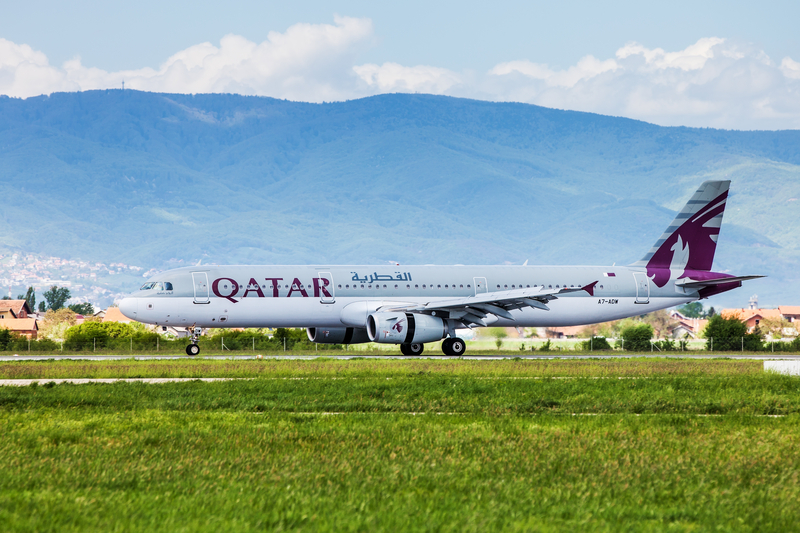
Qatar Airways has begun introducing a mini-subfleet of six Airbus A321neos in an all-economy, 236-seat layout. These frames were originally built for AirAsia, which is why the configuration is so dense and mono-class. The first aircraft (A7-AJB) has arrived in Doha and is slated to start flying short-/medium-haul routes with heavy leisure/VFR demand and limited premium demand.
Quick background: the “main” A321neo order vs. these six
Qatar still holds a firm order for 50 A321-family jets (40 A321neo + 10 A321LR) that will debut later—those are the aircraft expected to feature true Qatar-style cabins, including a premium cabin with suites. Delivery timing slipped following the well-publicized Airbus/Qatar dispute years ago (the order was canceled and later reinstated, but original delivery slots were lost).
These six all-Y A321neos are separate—think of them as opportunistic lift to solve a near-term capacity need while the bespoke fleet trickles in from 2026 onward.
Read our stories in your inbox
Two aviation newsletters. Zero fluff.
The cabin: ultra-dense, no business class
-
236 all-economy seats (one of the densest A321neo layouts flying).
-
No seatback IFE; expect PED holders and USB/USB-C power.
-
Tight pitch in line with ULCC layouts; don’t expect anything like “Qsuite Lite.”
-
First frames appear in all-white or minimal livery, which may change later.
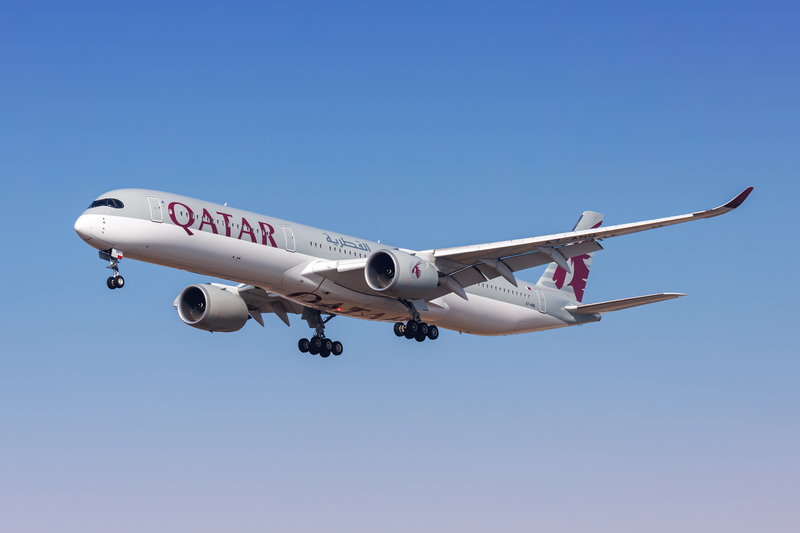
This layout mirrors AirAsia’s spec. Qatar can tweak soft product (crew service, buy-on-board options, etc.), but the hard product is fundamentally LCC-style.
Initial routes
Qatar plans to deploy the all-Y A321neos from Doha (DOH) to high-density, largely price-sensitive markets, including:
These are classic VFR and religious/leisure markets where frequency and seats matter more than a big premium cabin.
Why do this at all?
-
Capacity now, not later: With long certification and supply-chain queues for interiors and seats, picking up ready-to-fly A321neos fills demand gaps immediately.
-
Right tool for the job: Some routes simply don’t sell many premium seats, yet can easily fill a large Y cabin at the right fare.
-
Cost per seat: A 236-seat A321neo spreads trip costs thinly; that’s helpful on shorter stages with intense price competition.
Brand questions (and answers)
Yes, it’s unusual to see Qatar Airways (synonymous with premium) running ULCC-dense narrowbodies. Two things to keep in mind:
-
Subfleet framing: Think of this as a temporary/adjacent solution until the airline’s custom A321neo/LR fleet—with premium cabins—arrives in volume.
-
Market segmentation: Gulf peers use sister brands or partners (e.g., flydubai, Air Arabia Abu Dhabi) for dense configurations. Qatar is keeping these frames in-house, likely because frequency control and hub integration are strategically valuable on these lanes.
What flyers should expect onboard
-
Seat comfort: Tight pitch; pick exit/forward rows if extra space matters.
-
Entertainment: Stream to your own device; carry wired or Bluetooth headphones (Bluetooth pairing may be limited to certain rows or devices—always bring a cable backup).
-
Power: USB/USB-C available; bring a small PD charger/power bank.
-
Service: Standard Qatar soft touches (warm crew, water runs), but no premium cabin perks.
Will they retrofit later?
It’s possible—especially if certification bottlenecks ease and Qatar wants a uniform brand feel. But retrofitting six aircraft is a non-trivial cost/ground-time decision. If these frames stick to the same few routes, Qatar may keep them largely as-is for efficiency.
How this fits the broader fleet plan
-
Near-term: Use the all-Y A321neos to add seats and frequency where price sensitivity rules.
-
Medium-term (from 2026): Induct the mainline A321neo/A321LRs with business-class suites to open new “long and thin” markets and upgrade existing ones.
-
Long-term: Harmonize products where it matters (premium markets), maintain lean capacity where it doesn’t.
Bottom line
Qatar Airways has introduced a small all-economy A321neo subfleet (236 seats)—ex-AirAsia spec—to boost near-term capacity on high-demand, low-premium routes. It’s a pragmatic stopgap while the carrier’s custom A321neo/LR deliveries ramp up from 2026, bringing back the premium narrow-body experience you’d normally associate with Qatar.
Keep reading FlyMag
Get the Daily Brief in the morning or the Route Watch weekly recap on Fridays. Or both.